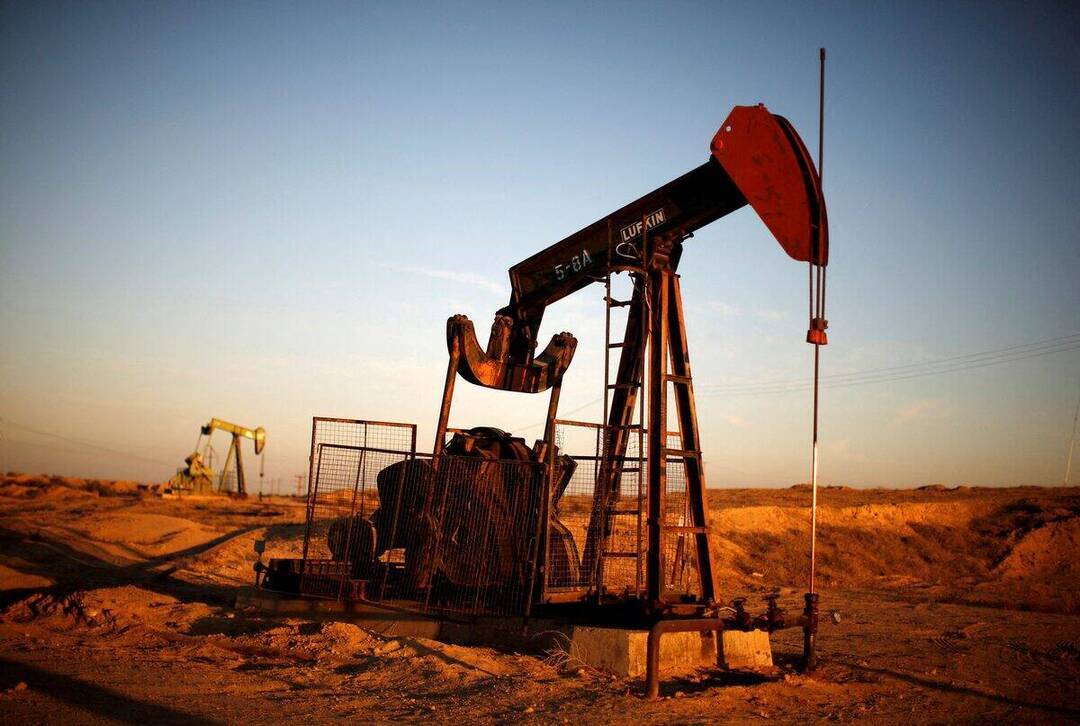
OPEC+ Keeps Oil Output Steady Amid Global Turmoil
The Organization of the Petroleum Exporting Countries (OPEC) and its allies, collectively known as OPEC+, made a significant decision on Sunday to maintain their current oil output levels. This move comes amid a backdrop of global turmoil, particularly in the oil-producing regions. The group, which accounts for roughly half of the world’s oil production, chose not to alter their production levels, despite the ongoing geopolitical tensions and conflicts that have been impacting the global energy market.
The decision to keep oil output steady was made during a brief 10-minute meeting, which was notably devoid of any discussions regarding Venezuela. This is particularly interesting, given the recent developments involving Venezuela, which boasts the world’s largest oil reserves. The United States had launched an attack on Venezuela, and in the aftermath, announced plans for US oil companies to repair the country’s “badly broken” oil infrastructure. This move has significant implications for the global energy landscape and could potentially alter the dynamics of oil production and distribution.
The OPEC+ group, which includes major oil-producing nations such as Saudi Arabia, Russia, and the United Arab Emirates, has been working together to stabilize the global oil market. By maintaining their current production levels, they aim to prevent a surge in oil prices, which could have far-reaching consequences for the global economy. The decision to keep output steady is also seen as a move to counterbalance the potential impact of the US-Venezuela conflict on the global energy market.
The global turmoil, particularly in the Middle East and South America, has been causing concerns about the stability of oil supplies. The conflict in Venezuela, combined with the ongoing tensions in the Middle East, has led to fears of potential disruptions to oil production and distribution. However, the OPEC+ group’s decision to maintain their current output levels is expected to help mitigate these risks and provide a sense of stability to the market.
The US attack on Venezuela and the subsequent plans to repair the country’s oil infrastructure have also raised questions about the future of oil production in the region. Venezuela’s oil reserves are estimated to be the largest in the world, and the country has the potential to become a significant player in the global energy market. However, the country’s oil industry has been plagued by mismanagement, corruption, and lack of investment, which has led to a significant decline in production levels.
The involvement of US oil companies in repairing Venezuela’s oil infrastructure could potentially lead to an increase in oil production in the country. This, in turn, could lead to a shift in the global energy dynamics, with Venezuela potentially becoming a more significant player in the market. However, the timeline and extent of this involvement are still uncertain, and it remains to be seen how the situation will unfold.
In the meantime, the OPEC+ group’s decision to maintain their current oil output levels is expected to provide a sense of stability to the market. The group’s next meeting is scheduled to take place in the coming months, and it will be interesting to see if they will reconsider their production levels in light of any new developments.
The global energy market is complex and influenced by a multitude of factors, including geopolitical tensions, economic trends, and environmental concerns. The OPEC+ group’s decision to keep oil output steady is just one of the many factors that will shape the future of the energy market. As the situation continues to evolve, it is essential to stay informed about the latest developments and their potential impact on the global economy.
In conclusion, the OPEC+ group’s decision to maintain their current oil output levels is a significant development in the global energy market. The move is expected to provide a sense of stability to the market, amid the ongoing global turmoil. However, the situation in Venezuela and the potential involvement of US oil companies in repairing the country’s oil infrastructure could lead to significant changes in the global energy dynamics. As the situation continues to unfold, it is essential to stay informed about the latest developments and their potential impact on the global economy.
About the Author