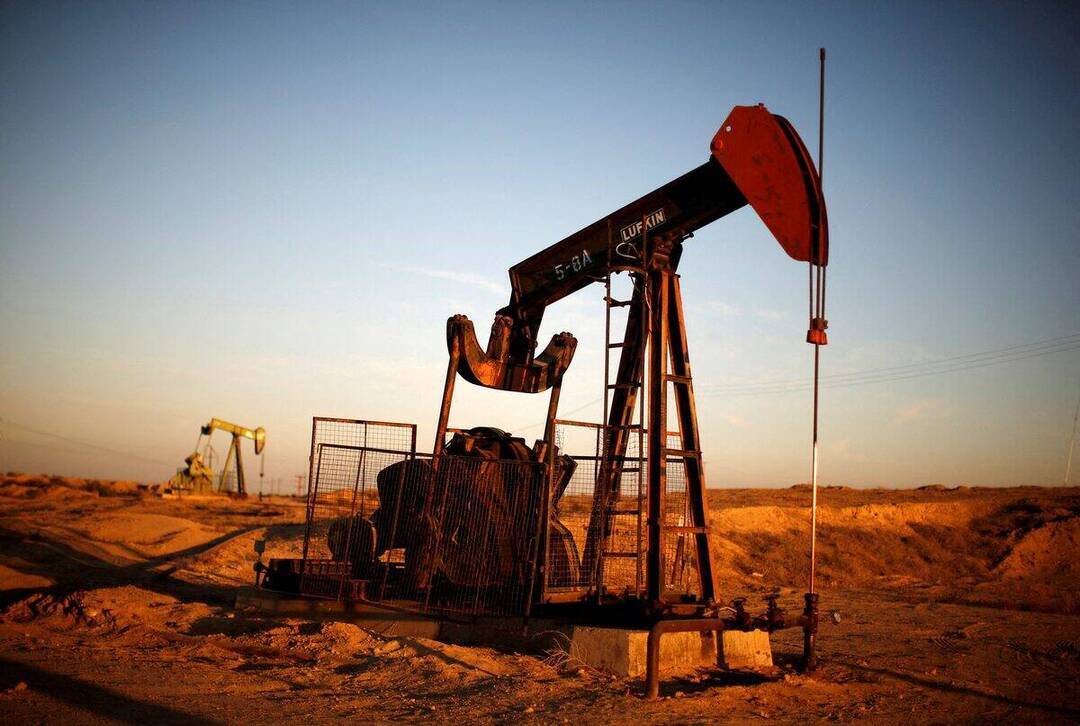
OPEC+ keeps oil output steady amid global turmoil
The Organization of the Petroleum Exporting Countries (OPEC) and its allies, collectively known as OPEC+, made a significant decision on Sunday to maintain their current oil output levels. This decision was made amid rising global turmoil, particularly in the oil-producing regions. The group, which is responsible for producing approximately half of the world’s oil, chose not to alter their production levels, despite the ongoing uncertainties in the market.
The meeting, which reportedly lasted only 10 minutes, did not discuss the situation in Venezuela, a country with the world’s largest oil reserves. This is notable, given the recent developments in Venezuela, where the US launched an attack and announced plans to repair the country’s “badly broken” oil infrastructure through US oil companies. The absence of Venezuela from the discussion agenda suggests that OPEC+ is focusing on maintaining stability in the global oil market, rather than getting entangled in regional conflicts.
The decision to keep oil output steady is a strategic move by OPEC+, aiming to balance the global demand and supply of oil. The group has been closely monitoring the market trends and has been adjusting their production levels accordingly. By maintaining the current output, OPEC+ is attempting to prevent any significant fluctuations in the oil prices, which could have far-reaching consequences on the global economy.
The global oil market has been facing numerous challenges in recent times, including the COVID-19 pandemic, geopolitical tensions, and supply chain disruptions. The ongoing conflict in Ukraine, the sanctions on Russia, and the tensions in the Middle East have all contributed to the volatility in the oil market. In this context, the decision by OPEC+ to maintain their oil output is a welcome move, as it provides a sense of stability and predictability to the market.
The US attack on Venezuela and the subsequent announcement to repair the country’s oil infrastructure have significant implications for the global oil market. Venezuela has the largest oil reserves in the world, but the country’s oil production has been severely impacted by the economic crisis and the US sanctions. The US move to repair the oil infrastructure in Venezuela could potentially increase the country’s oil production, which could, in turn, affect the global oil prices.
However, the impact of the US move on Venezuela’s oil production is still uncertain, and it is unclear how the situation will unfold in the coming months. The OPEC+ decision to maintain their oil output suggests that the group is taking a cautious approach, waiting to see how the situation in Venezuela develops before making any adjustments to their production levels.
The decision by OPEC+ to keep oil output steady is also a reflection of the group’s commitment to maintaining the balance between oil supply and demand. The group has been working to ensure that the global oil market is well-supplied, while also preventing any significant build-up of inventories. By maintaining their current production levels, OPEC+ is attempting to strike a balance between the two, which is essential for maintaining stability in the oil market.
In conclusion, the decision by OPEC+ to keep oil output steady amid global turmoil is a significant development in the oil market. The group’s decision to maintain their current production levels reflects their commitment to maintaining stability in the market, despite the ongoing uncertainties. The situation in Venezuela and the US move to repair the country’s oil infrastructure will be closely watched in the coming months, and any developments will likely have significant implications for the global oil market.
As the global oil market continues to evolve, it is essential to monitor the developments closely and adjust to the changing circumstances. The OPEC+ decision to maintain their oil output is a positive move, providing a sense of stability and predictability to the market. However, the ongoing global turmoil and the uncertainties in the oil-producing regions will continue to pose challenges to the oil market, and it is essential to remain vigilant and adapt to the changing circumstances.
The global economy is heavily reliant on oil, and any significant fluctuations in the oil prices can have far-reaching consequences. The OPEC+ decision to maintain their oil output is a welcome move, as it provides a sense of stability and predictability to the market. However, the ongoing global turmoil and the uncertainties in the oil-producing regions will continue to pose challenges to the oil market, and it is essential to remain vigilant and adapt to the changing circumstances.
In the coming months, it will be essential to monitor the developments in the oil market closely, particularly the situation in Venezuela and the impact of the US move to repair the country’s oil infrastructure. The OPEC+ decision to maintain their oil output is a positive move, but it is crucial to remain cautious and adapt to the changing circumstances.
The oil market is highly complex and volatile, and any significant developments can have far-reaching consequences. The OPEC+ decision to maintain their oil output is a significant development, and it will be essential to monitor the market closely in the coming months. The situation in Venezuela and the US move to repair the country’s oil infrastructure will be closely watched, and any developments will likely have significant implications for the global oil market.
In the end, the OPEC+ decision to keep oil output steady amid global turmoil is a significant development in the oil market. The group’s commitment to maintaining stability in the market is a positive move, providing a sense of stability and predictability to the market. However, the ongoing global turmoil and the uncertainties in the oil-producing regions will continue to pose challenges to the oil market, and it is essential to remain vigilant and adapt to the changing circumstances.
About the Author