OPEC+ keeps oil output steady amid global turmoil
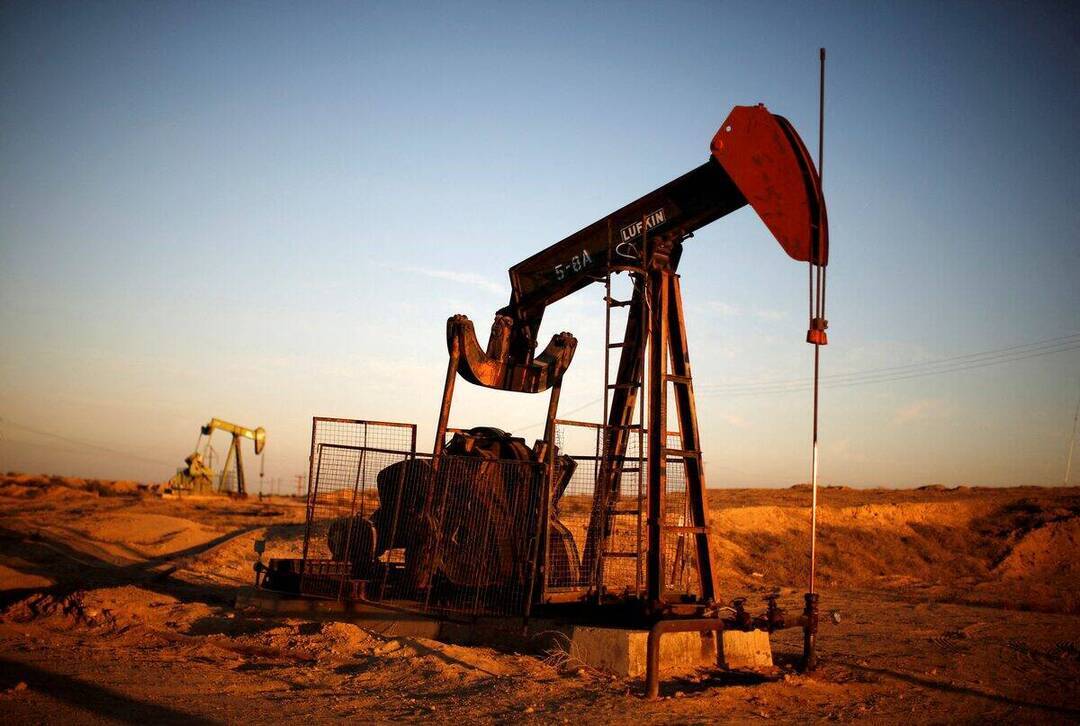
The Organization of the Petroleum Exporting Countries (OPEC+) on Sunday made a significant decision to maintain its current oil output levels, despite the ongoing global turmoil that has been affecting the oil market. This decision was made during a brief 10-minute meeting, where the group of eight nations, responsible for producing approximately half of the world’s oil, chose not to alter their production levels.
The meeting took place against the backdrop of rising tensions and instability in various parts of the world, particularly in Venezuela, which boasts the world’s largest oil reserves. Recently, the United States launched an attack on Venezuela, with the stated intention of fixing the country’s “badly broken” oil infrastructure. The US also announced plans to involve American oil companies in the reconstruction efforts, a move that has been met with mixed reactions from the international community.
Interestingly, sources close to the OPEC+ meeting reported that Venezuela was not discussed during the 10-minute gathering. This omission is significant, given the country’s importance in the global oil market and the potential implications of the US’s actions on the region’s stability. The decision to maintain oil output at current levels suggests that OPEC+ is adopting a cautious approach, choosing not to rock the boat amidst the uncertainty and volatility that currently characterizes the global oil market.
The OPEC+ group, which includes countries such as Saudi Arabia, Russia, and the United Arab Emirates, has been working together to stabilize the oil market and support prices. The decision to keep oil output steady is likely to be seen as a positive move by oil traders and investors, who have been watching the situation in Venezuela with bated breath. By maintaining production levels, OPEC+ is sending a signal that it is committed to ensuring a stable supply of oil to the global market, even in the face of adversity.
However, the decision is also likely to be viewed with skepticism by some, who may argue that OPEC+ is not doing enough to address the challenges facing the oil market. The ongoing turmoil in Venezuela, combined with the US’s involvement in the country’s oil sector, has the potential to disrupt global oil supplies and drive up prices. In this context, some may have expected OPEC+ to take a more proactive approach, such as increasing production to offset potential losses or providing additional support to affected members.
The US’s actions in Venezuela have also raised questions about the country’s role in the global oil market and its relationship with other major oil-producing nations. The US has been seeking to increase its own oil production in recent years, with the aim of becoming a net exporter of oil. The involvement of American oil companies in Venezuela’s oil sector could potentially lead to a significant increase in oil production in the country, which could have far-reaching implications for the global oil market.
In the short term, the decision by OPEC+ to maintain oil output at current levels is likely to provide some stability to the market. However, the ongoing turmoil in Venezuela and the US’s involvement in the country’s oil sector are likely to continue to be major factors influencing the global oil market in the coming months. As the situation continues to evolve, it will be important to watch how OPEC+ responds to the challenges and opportunities that arise.
One thing is certain, however: the global oil market is facing a period of significant uncertainty and volatility. The decision by OPEC+ to keep oil output steady is just one piece of the puzzle, and it will be important to monitor developments in the coming weeks and months to get a clearer picture of what the future holds for the oil market.
For now, the decision by OPEC+ to maintain oil output at current levels provides a sense of stability and continuity in the market. As the global oil market continues to navigate the challenges and uncertainties of the current environment, it will be important to watch how the major oil-producing nations respond to the evolving situation. Will they be able to maintain stability and support prices, or will the turmoil in Venezuela and other parts of the world begin to take its toll on the market? Only time will tell.
In conclusion, the decision by OPEC+ to keep oil output steady amid global turmoil is a significant development that is likely to have far-reaching implications for the global oil market. As the situation continues to unfold, it will be important to monitor developments closely and watch how the major oil-producing nations respond to the challenges and opportunities that arise.
About the Author