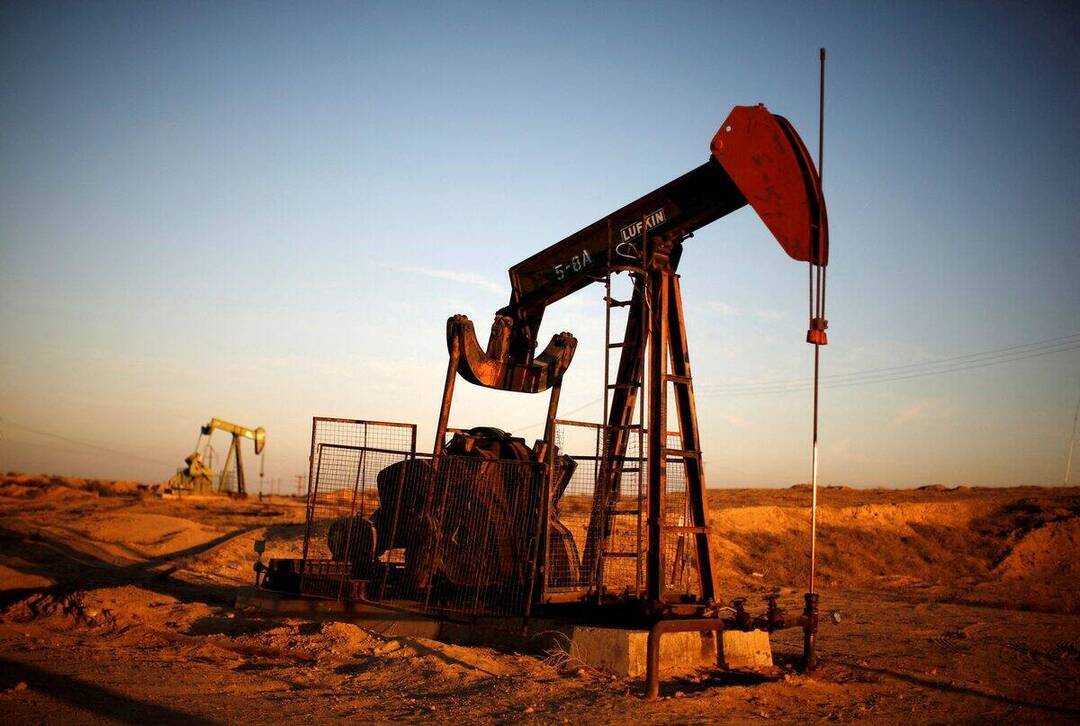
OPEC+ keeps oil output steady amid global turmoil
The Organization of the Petroleum Exporting Countries (OPEC) and its allies, collectively known as OPEC+, made a significant decision on Sunday, opting to maintain their current oil output levels despite the turmoil that has been plaguing the global energy market. This move comes as a surprise to many, given the recent events that have shaken the foundations of the oil industry.
In a meeting that lasted a mere 10 minutes, the group of eight nations, which is responsible for producing approximately half of the world’s oil, chose not to alter their production levels. This decision is likely to have far-reaching implications for the global economy, as oil prices continue to fluctuate in response to geopolitical tensions and supply chain disruptions.
One of the most significant factors that may have influenced OPEC+’s decision is the recent attack on Venezuela by the United States. Venezuela, which boasts the world’s largest oil reserves, has been facing significant challenges in recent years, including a severe economic crisis and a decline in oil production. The US attack has raised concerns about the stability of the region and the potential for further disruptions to global oil supplies.
Interestingly, sources close to the matter have revealed that Venezuela was not even discussed during the 10-minute meeting. This omission is striking, given the significant implications of the US attack on Venezuela’s oil infrastructure. The US has announced plans to have American oil companies repair Venezuela’s “badly broken” oil infrastructure, a move that is likely to have significant consequences for the global energy landscape.
The decision by OPEC+ to maintain their current oil output levels is likely to be seen as a cautious approach, given the uncertainty that surrounds the global energy market. With the US-Venezuela situation still unfolding, it is unclear how the global oil supply will be affected in the coming months. By choosing not to alter their production levels, OPEC+ is essentially adopting a wait-and-see approach, preferring to monitor the situation before making any significant changes to their output.
This decision is also likely to have significant implications for oil prices, which have been volatile in recent months. With OPEC+ choosing to maintain their current output levels, oil prices may experience a degree of stability, at least in the short term. However, the ongoing turmoil in the Middle East and the potential for further disruptions to global oil supplies mean that prices are likely to remain volatile in the coming months.
The role of the US in the global energy landscape is also worth considering. The US has emerged as a significant player in the global oil market, thanks to the shale oil revolution. The country’s decision to attack Venezuela and repair its oil infrastructure is a clear indication of its intentions to exert its influence over the global energy market. The implications of this move are far-reaching, and it remains to be seen how OPEC+ will respond to the increasing assertiveness of the US in the global energy landscape.
In conclusion, the decision by OPEC+ to maintain their current oil output levels is a significant development, given the turmoil that has been plaguing the global energy market. The group’s cautious approach is likely to have significant implications for oil prices and the global economy, and it remains to be seen how the situation will unfold in the coming months. As the global energy landscape continues to evolve, one thing is clear: the role of OPEC+ will remain crucial in shaping the future of the oil industry.
About the Author