OPEC+ keeps oil output steady amid global turmoil
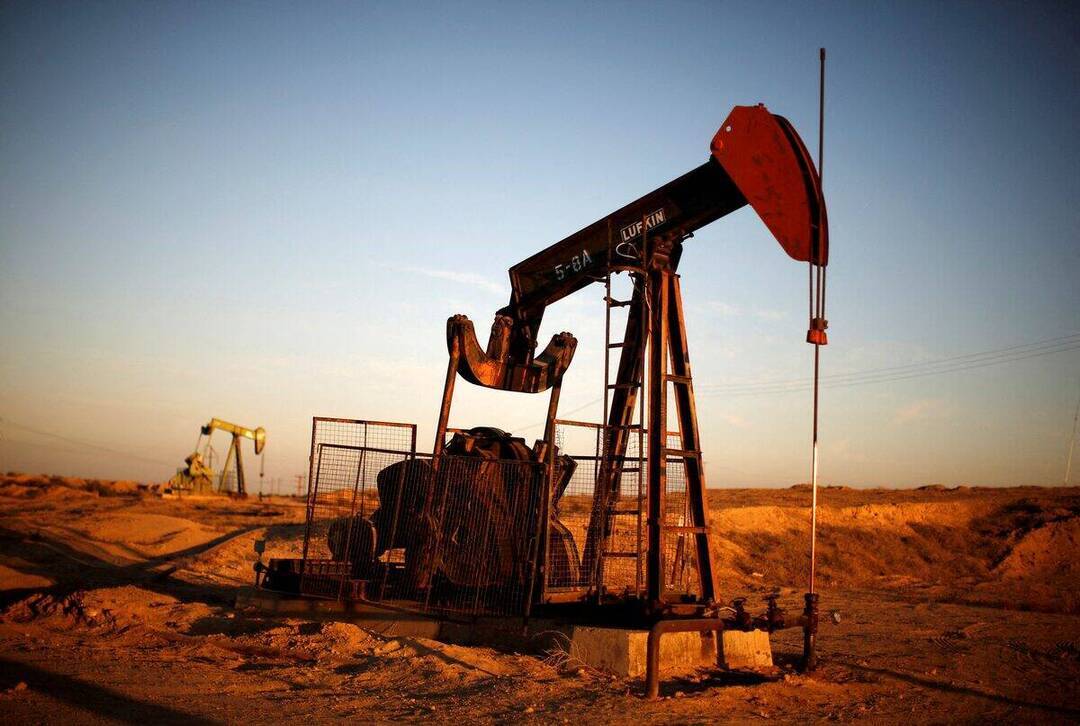
The Organization of the Petroleum Exporting Countries (OPEC+) made a significant decision on Sunday, opting to maintain its current oil output levels despite the ongoing global turmoil. This move comes as a surprise to many, given the recent developments in the oil-rich nation of Venezuela, which has been plagued by internal conflicts and external pressures. The US recently launched an attack on Venezuela, which boasts the world’s largest oil reserves, with the intention of fixing the country’s “badly broken” oil infrastructure.
The 10-minute meeting of OPEC+ on Sunday was marked by a sense of urgency and uncertainty, with the group of eight nations, responsible for producing about half of the world’s oil, choosing not to discuss the Venezuelan situation. This decision has left many wondering about the implications of this move and how it will affect the global oil market. According to sources, the meeting was brief and to the point, with the focus solely on maintaining the current oil output levels.
The decision to keep oil output steady is a strategic move by OPEC+, aimed at stabilizing the global oil market and preventing any further volatility. The group has been working tirelessly to balance the supply and demand of oil, and this move is seen as a way to maintain that balance. However, the decision has also been met with criticism, with some arguing that it does not take into account the current geopolitical tensions and the potential impact on the global economy.
The situation in Venezuela is a complex one, with the country’s oil industry facing significant challenges. The US attack on Venezuela has raised concerns about the stability of the region and the potential for further conflict. The US has stated that its intention is to fix Venezuela’s “badly broken” oil infrastructure, which has been severely impacted by years of mismanagement and corruption. However, the move has been met with skepticism by many, who see it as an attempt to exert control over the country’s vast oil reserves.
The impact of the US attack on Venezuela’s oil industry is still unclear, but it is likely to have significant implications for the global oil market. Venezuela’s oil reserves are the largest in the world, and any disruption to the country’s oil production could have far-reaching consequences. The US has stated that it will work with US oil companies to fix Venezuela’s oil infrastructure, which could potentially lead to an increase in oil production and a subsequent decrease in oil prices.
However, the situation is not that simple, and there are many factors at play. The Venezuelan government has been critical of the US move, seeing it as an attempt to undermine the country’s sovereignty. The situation has also been met with concern by other nations, who see it as a potential threat to regional stability. The decision by OPEC+ to maintain its current oil output levels is seen as a way to mitigate the impact of the US attack on Venezuela and prevent any further volatility in the global oil market.
The global oil market is highly complex and influenced by a variety of factors, including geopolitical tensions, economic trends, and environmental concerns. The decision by OPEC+ to keep oil output steady is a significant one, and it will be closely watched by investors, analysts, and governments around the world. The move is seen as a way to maintain stability in the global oil market, but it also raises questions about the potential impact on the global economy and the environment.
In recent years, there has been a growing trend towards renewable energy sources, with many countries investing heavily in solar and wind power. The decision by OPEC+ to maintain its current oil output levels may be seen as a way to slow down this trend, but it is unlikely to have a significant impact on the long-term shift towards renewable energy. The global economy is becoming increasingly dependent on renewable energy sources, and it is likely that this trend will continue, regardless of the decisions made by OPEC+.
In conclusion, the decision by OPEC+ to keep oil output steady amid global turmoil is a significant one, with far-reaching implications for the global oil market and the economy. The situation in Venezuela is complex and uncertain, and the US attack on the country has raised concerns about regional stability and the potential for further conflict. The decision by OPEC+ to maintain its current oil output levels is seen as a way to mitigate the impact of the US attack and prevent any further volatility in the global oil market. However, the situation is highly complex, and it will be closely watched by investors, analysts, and governments around the world.
As the global oil market continues to evolve, it is likely that we will see significant changes in the way that oil is produced, consumed, and traded. The decision by OPEC+ to keep oil output steady is a significant one, but it is only one part of a much larger story. The global economy is becoming increasingly dependent on renewable energy sources, and it is likely that this trend will continue, regardless of the decisions made by OPEC+.
The situation in Venezuela is a reminder of the complex and often volatile nature of the global oil market. The US attack on the country has raised concerns about regional stability and the potential for further conflict, and it is likely that the situation will continue to evolve in the coming weeks and months. The decision by OPEC+ to maintain its current oil output levels is a significant one, but it is only one part of a much larger story.
As we move forward, it will be important to closely watch the situation in Venezuela and the global oil market. The decision by OPEC+ to keep oil output steady is a significant one, but it is only one part of a much larger story. The global economy is becoming increasingly dependent on renewable energy sources, and it is likely that this trend will continue, regardless of the decisions made by OPEC+.
About the Author