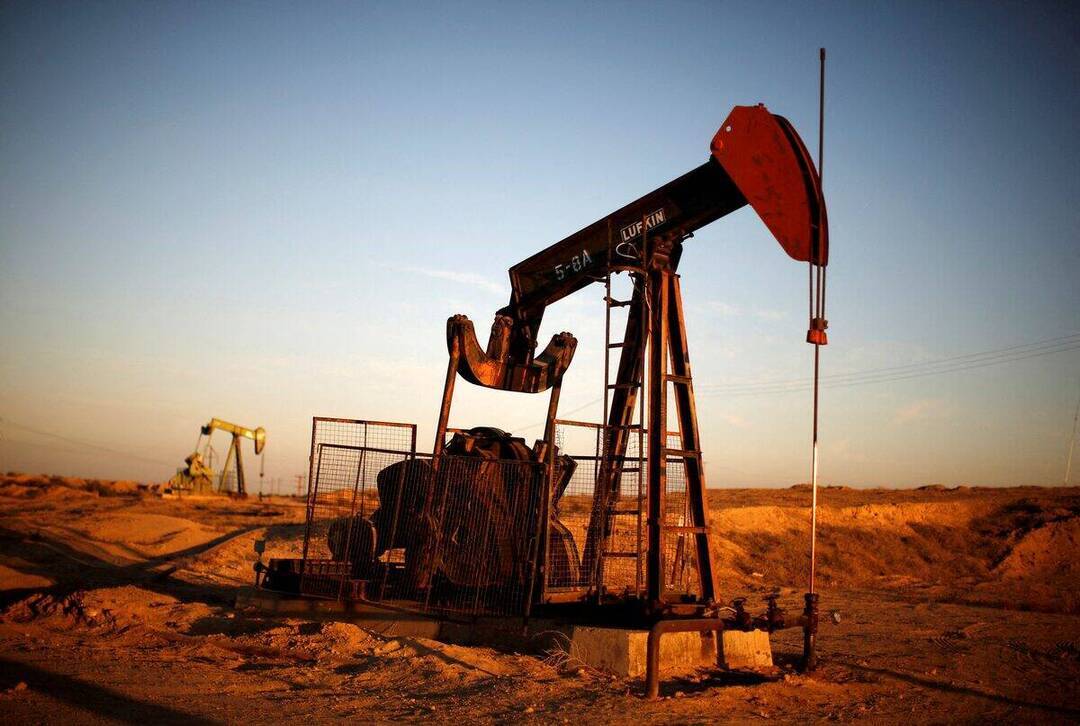
OPEC+ keeps oil output steady amid global turmoil
The Organization of the Petroleum Exporting Countries (OPEC+) has decided to maintain its current oil output levels, despite the ongoing global turmoil that has been affecting the oil market. The decision was made during a meeting on Sunday, which lasted only 10 minutes, and reportedly did not include any discussion about Venezuela, a country with the world’s largest oil reserves.
The OPEC+ group, which consists of 13 OPEC member countries and 10 non-OPEC countries, including Russia, accounts for approximately half of the world’s total oil production. The decision to keep oil output steady is seen as a strategic move to stabilize the global oil market, which has been experiencing significant volatility in recent times.
One of the key factors contributing to the global turmoil is the recent attack on Venezuela by the United States. Venezuela, which has the world’s largest oil reserves, has been facing significant challenges in its oil industry, including a decline in production and a lack of investment in its infrastructure. The US attack on Venezuela has further exacerbated the situation, and the country’s oil industry is now in a state of crisis.
Despite the challenges facing Venezuela, the OPEC+ group did not reportedly discuss the country during their meeting on Sunday. This is surprising, given the significant impact that Venezuela’s oil industry has on the global oil market. The US has announced plans to fix Venezuela’s “badly broken” oil infrastructure, which could potentially lead to an increase in oil production from the country.
The decision by OPEC+ to keep oil output steady is likely to have significant implications for the global oil market. With the ongoing turmoil in Venezuela and other oil-producing countries, the stability of the oil market is crucial for ensuring a steady supply of oil to meet global demand. By maintaining its current oil output levels, OPEC+ is aiming to prevent any further disruptions to the market and to keep oil prices stable.
However, the decision by OPEC+ has also been met with criticism from some quarters. Some analysts have argued that the group should be doing more to address the challenges facing the global oil market, particularly in light of the recent attack on Venezuela. They argue that OPEC+ has a responsibility to ensure that the global oil market is stable and that oil-producing countries are able to produce oil safely and efficiently.
The US attack on Venezuela has also raised concerns about the potential for further conflict in the region. The attack has been seen as a provocative move by the US, and it has the potential to escalate tensions between the US and other oil-producing countries. The OPEC+ group will need to be vigilant in monitoring the situation and taking steps to prevent any further disruptions to the global oil market.
In conclusion, the decision by OPEC+ to keep oil output steady amid global turmoil is a strategic move aimed at stabilizing the global oil market. However, the group will need to continue to monitor the situation closely and take steps to address the challenges facing the oil market, particularly in light of the recent attack on Venezuela. The stability of the oil market is crucial for ensuring a steady supply of oil to meet global demand, and OPEC+ has a key role to play in achieving this goal.
As the global oil market continues to evolve, it will be important to watch how OPEC+ responds to the challenges facing the market. The group’s decision to keep oil output steady is just the first step in a long process of ensuring that the global oil market remains stable and secure. With the ongoing turmoil in Venezuela and other oil-producing countries, the next few months will be critical in determining the future of the global oil market.
The implications of the OPEC+ decision will be far-reaching, and it will be important to monitor how the global oil market responds to the decision. The stability of the oil market is crucial for ensuring a steady supply of oil to meet global demand, and any disruptions to the market could have significant consequences for the global economy.
In the coming weeks and months, it will be important to watch how the situation in Venezuela develops, and how the US plans to fix the country’s “badly broken” oil infrastructure. The potential for an increase in oil production from Venezuela could have significant implications for the global oil market, and it will be important to monitor how OPEC+ responds to any changes in the market.
Overall, the decision by OPEC+ to keep oil output steady amid global turmoil is a significant development in the global oil market. The group’s decision will have far-reaching implications for the stability of the oil market, and it will be important to continue to monitor the situation closely in the coming weeks and months.
About the Author