OPEC+ keeps oil output steady amid global turmoil
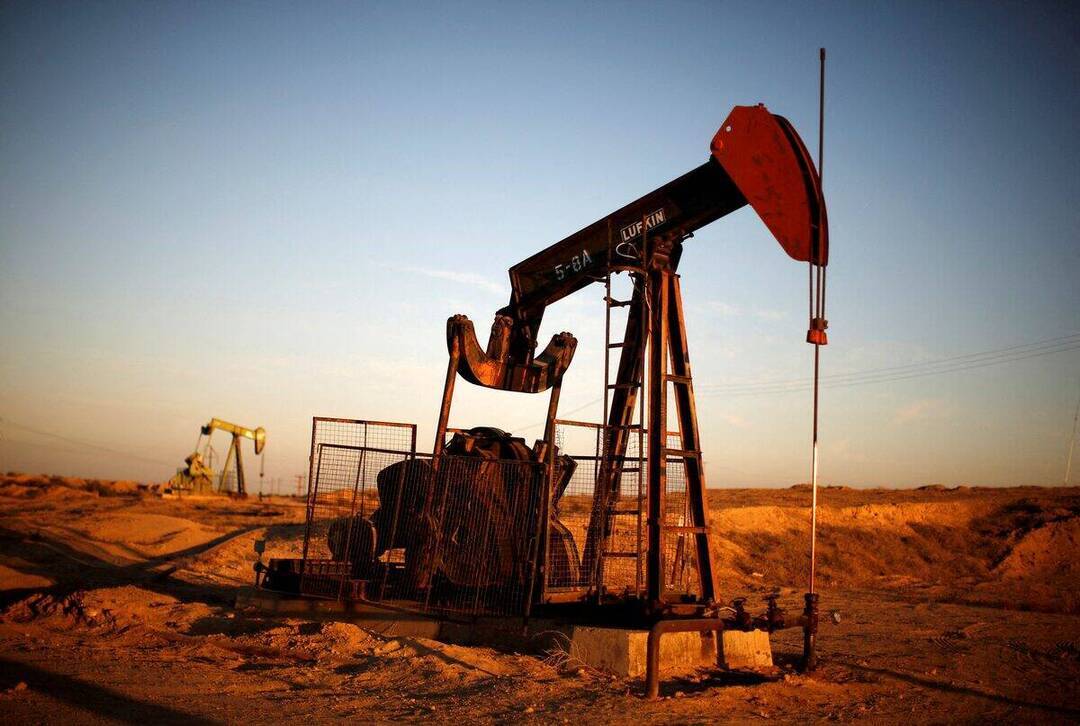
The Organization of the Petroleum Exporting Countries (OPEC) and its allies, collectively known as OPEC+, made a significant decision on Sunday to maintain its current oil output levels despite the ongoing global turmoil. This move by the group of eight nations, which accounts for approximately half of the world’s total oil production, is seen as a strategic effort to stabilize the global oil market. The decision was made during a brief 10-minute meeting, where reportedly, the issue of Venezuela was not discussed.
The recent US attack on Venezuela, a country with the largest oil reserves in the world, has sent shockwaves across the globe. The US has announced plans to repair Venezuela’s “badly broken” oil infrastructure, which is currently in a state of disarray. This development has significant implications for the global oil market, as Venezuela’s vast oil reserves could potentially disrupt the delicate balance of the market if they were to become available.
However, OPEC+ has chosen to maintain its current oil output levels, which suggests that the group is taking a cautious approach in response to the uncertainty surrounding Venezuela’s oil production. By keeping oil output steady, OPEC+ aims to prevent any sudden fluctuations in the global oil market, which could have far-reaching consequences for the world economy.
The decision to maintain current oil output levels is also seen as a sign of OPEC+’s commitment to its previously agreed-upon production targets. The group has been working to stabilize the global oil market by adjusting its production levels to meet changing demand. By sticking to its current production targets, OPEC+ is demonstrating its resolve to maintain stability in the market, even in the face of global turmoil.
The global oil market has been experiencing significant volatility in recent times, with prices fluctuating in response to various geopolitical and economic factors. The COVID-19 pandemic, for instance, had a profound impact on global oil demand, leading to a sharp decline in prices. However, as the world gradually recovers from the pandemic, oil demand has begun to rebound, leading to an increase in prices.
The recent US attack on Venezuela has added a new layer of complexity to the global oil market. The potential for Venezuela’s oil reserves to become available could significantly impact the market, particularly if the US is successful in repairing the country’s oil infrastructure. This could lead to an increase in global oil supply, which could, in turn, put downward pressure on prices.
However, OPEC+ is well aware of the potential risks associated with increased oil supply from Venezuela. By maintaining its current oil output levels, the group is attempting to mitigate these risks and prevent any potential disruptions to the global oil market. This cautious approach is seen as a prudent move, given the uncertainty surrounding Venezuela’s oil production and the potential impact on the global market.
The decision by OPEC+ to keep oil output steady is also seen as a sign of the group’s commitment to its long-term strategy. OPEC+ has been working to maintain stability in the global oil market, and this decision is consistent with that goal. By sticking to its current production targets, the group is demonstrating its resolve to prioritize stability over short-term gains.
In conclusion, the decision by OPEC+ to maintain its current oil output levels is a significant development in the global oil market. The group’s cautious approach in response to the uncertainty surrounding Venezuela’s oil production is seen as a prudent move, given the potential risks associated with increased oil supply. As the global oil market continues to evolve, it will be interesting to see how OPEC+ responds to future challenges and opportunities.
The OPEC+ decision to keep oil output steady is a clear indication that the group is prioritizing stability in the global oil market. As the world navigates the complexities of the global oil market, it is essential to monitor the actions of OPEC+ and other key players in the market. The decision to maintain current oil output levels is a significant development, and its implications will be closely watched by market analysts and observers.
The global oil market is a complex and dynamic system, influenced by a wide range of factors, including geopolitical events, economic trends, and technological advancements. The decision by OPEC+ to keep oil output steady is just one example of the many factors that shape the market. As the market continues to evolve, it is essential to stay informed about the latest developments and trends.
In the coming months and years, the global oil market is likely to face numerous challenges and opportunities. The potential for increased oil supply from Venezuela, the ongoing impact of the COVID-19 pandemic, and the growing demand for renewable energy sources are just a few examples of the factors that will shape the market. As the world navigates these complexities, it is essential to prioritize stability and cooperation in the global oil market.
The decision by OPEC+ to maintain its current oil output levels is a significant step in the right direction. By prioritizing stability and cooperation, the group is demonstrating its commitment to the long-term health of the global oil market. As the market continues to evolve, it will be interesting to see how OPEC+ and other key players respond to future challenges and opportunities.
About the Author