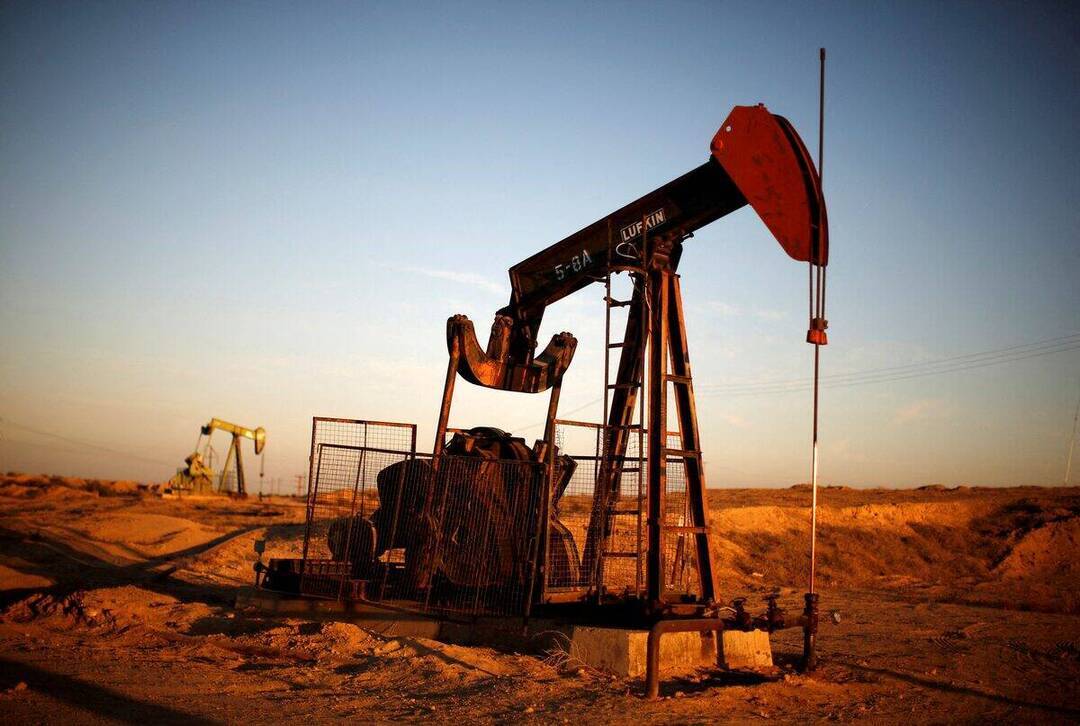
OPEC+ keeps oil output steady amid global turmoil
The global oil market has been witnessing a significant amount of turmoil in recent times, with various factors contributing to the uncertainty. The Organization of the Petroleum Exporting Countries (OPEC) and its allies, collectively known as OPEC+, have been at the forefront of managing the global oil supply to stabilize the market. In their latest meeting, OPEC+ decided to keep oil output unchanged, a move that has been widely watched and analyzed by industry experts and market observers.
The decision to maintain the current oil output levels was made during a brief meeting on Sunday, which lasted only 10 minutes. The meeting was attended by representatives from the eight nations that make up OPEC+, which together produce approximately half of the world’s oil. The group’s decision to keep oil output steady is seen as a strategic move to balance the global oil market, which has been impacted by various factors, including geopolitical tensions, supply chain disruptions, and changes in demand patterns.
One of the key factors that has been influencing the global oil market is the recent attack on Venezuela by the United States. Venezuela is a significant oil-producing nation, with the world’s largest oil reserves. The US attack on Venezuela has raised concerns about the stability of the global oil supply, as it has the potential to disrupt oil production and exports from the country. The US has announced plans to fix Venezuela’s “badly broken” oil infrastructure, which is expected to be carried out by US oil companies. This move is seen as an attempt to increase oil production in Venezuela and stabilize the global oil market.
Despite the significant developments in Venezuela, OPEC+ reportedly did not discuss the issue during their meeting. The group’s decision to keep oil output unchanged suggests that they are prioritizing stability and predictability in the global oil market, rather than reacting to short-term disruptions or geopolitical tensions. This approach is consistent with OPEC+’s long-term strategy of managing the global oil supply to support sustainable economic growth and stability.
The decision to maintain current oil output levels is also seen as a positive move for the global economy, as it will help to maintain stability in the oil market and prevent any sudden price shocks. The global economy is already facing various challenges, including inflation, supply chain disruptions, and geopolitical tensions, and a stable oil market will help to mitigate these risks. Additionally, a stable oil market will also support the growth of industries that are dependent on oil, such as transportation, manufacturing, and construction.
The OPEC+ decision to keep oil output steady has been welcomed by market observers, who see it as a sign of the group’s commitment to stability and predictability in the global oil market. The move is also seen as a positive development for oil-producing nations, which will benefit from a stable oil market and predictable revenue streams. However, the decision may not be universally popular, as some nations may have been hoping for an increase in oil production to support their economic growth.
In conclusion, the decision by OPEC+ to keep oil output unchanged is a significant development in the global oil market. The move is seen as a strategic decision to balance the global oil market and maintain stability, despite the various challenges and uncertainties that are currently impacting the market. The decision will have far-reaching implications for the global economy, oil-producing nations, and industries that are dependent on oil. As the global oil market continues to evolve, it will be important to monitor the actions of OPEC+ and other key players in the market to understand the implications of their decisions.
The latest decision by OPEC+ is a reminder of the complex and interconnected nature of the global oil market. The market is influenced by a wide range of factors, including geopolitical tensions, supply chain disruptions, and changes in demand patterns. As the global economy continues to grow and evolve, it will be important to manage the global oil supply in a way that supports sustainable economic growth and stability.
The role of OPEC+ in managing the global oil supply is critical, as the group produces approximately half of the world’s oil. The group’s decisions have a significant impact on the global oil market, and their actions are closely watched by market observers and industry experts. The decision to keep oil output unchanged is a testament to the group’s commitment to stability and predictability in the global oil market.
As the global oil market continues to evolve, it will be important to monitor the actions of OPEC+ and other key players in the market. The decision to keep oil output unchanged is a positive move, but it is only one part of a larger strategy to manage the global oil supply. The global oil market is complex and dynamic, and it will require ongoing effort and cooperation to maintain stability and support sustainable economic growth.
About the Author