OPEC+ keeps oil output steady amid global turmoil
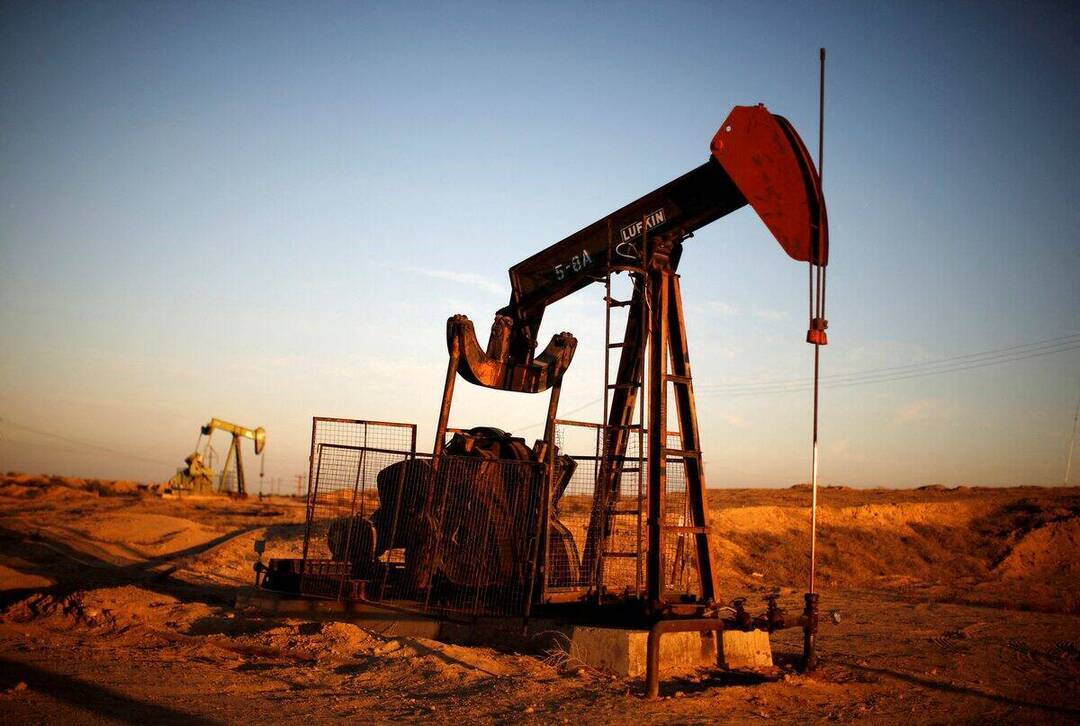
The Organization of the Petroleum Exporting Countries (OPEC) and its allies, collectively known as OPEC+, made a significant decision on Sunday to maintain their current oil output levels. This move comes at a time of heightened global turmoil, with the recent US attack on Venezuela adding to the uncertainty in the oil market. As reported by sources close to the matter, the group’s 10-minute meeting did not involve any discussions about Venezuela, despite the country’s significant oil reserves and the recent events that have unfolded.
The decision to keep oil output steady is a strategic move by OPEC+, which produces approximately half of the world’s oil. The group’s objective is to balance the global oil market and stabilize prices, which have been volatile in recent months. By maintaining their current output levels, OPEC+ aims to prevent a surge in oil prices that could have far-reaching consequences for the global economy.
The recent US attack on Venezuela has sent shockwaves through the oil market, with many analysts predicting a potential disruption to global oil supplies. Venezuela, which has the world’s largest oil reserves, has been facing significant challenges in recent years, including a decline in oil production and a struggling economy. The US has announced plans to fix Venezuela’s “badly broken” oil infrastructure, which could potentially increase oil production and exports from the country.
However, the implications of the US attack on Venezuela are still unclear, and it is uncertain how the situation will unfold in the coming weeks and months. OPEC+’s decision to maintain their current oil output levels suggests that the group is taking a cautious approach, waiting to see how events develop before making any significant changes to their production levels.
The global oil market is highly complex and influenced by a wide range of factors, including geopolitical events, economic trends, and environmental concerns. The recent turmoil in Venezuela is just one of many factors that are currently impacting the oil market. Other factors, such as the ongoing conflict in the Middle East and the growing demand for renewable energy sources, are also playing a significant role in shaping the global oil landscape.
Despite the challenges and uncertainties facing the oil market, OPEC+ remains committed to stabilizing prices and ensuring a balanced global oil market. The group’s decision to maintain their current output levels is a testament to their commitment to this goal and their willingness to adapt to changing circumstances.
In the coming weeks and months, the global oil market is likely to remain highly volatile, with many factors influencing prices and production levels. OPEC+ will continue to play a crucial role in shaping the oil market, and their decisions will have significant implications for the global economy.
As the situation in Venezuela continues to unfold, it is likely that OPEC+ will remain vigilant, monitoring developments closely and adjusting their production levels as needed. The group’s ability to respond to changing circumstances and maintain stability in the oil market will be critical in the coming months.
In conclusion, OPEC+’s decision to keep oil output steady amid global turmoil is a significant development that reflects the group’s commitment to stabilizing the global oil market. As the situation in Venezuela and other parts of the world continues to evolve, OPEC+ will remain a key player in shaping the oil market and ensuring a balanced global economy.
About the Author