NVIDIA asks for full upfront payment for chips from Chinese buyers
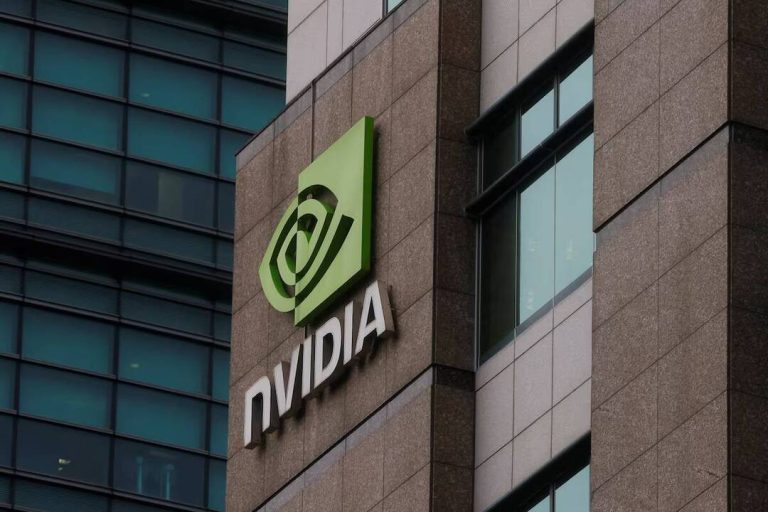
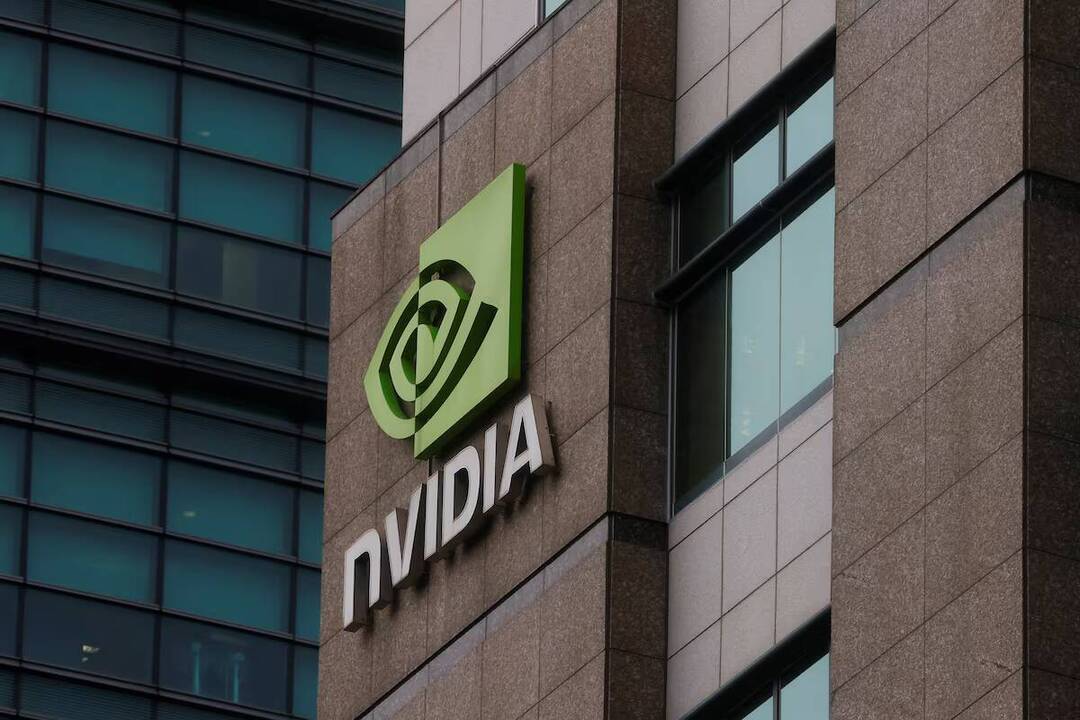
The global semiconductor industry has been witnessing significant tensions in recent times, particularly with regards to the trade relationships between the United States and China. The latest development in this saga involves NVIDIA, a leading American technology company, which has reportedly started seeking full upfront payment from its Chinese customers for its H200 AI chips. According to a report by Reuters, this move by NVIDIA marks a significant shift in its payment policies, as the company earlier allowed clients to place a deposit rather than making full payment upfront.
The H200 AI chips are a crucial component in the development of artificial intelligence (AI) technologies, and NVIDIA’s decision to demand full payment upfront is likely to have significant implications for its Chinese customers. The report suggests that these customers will no longer have the option to cancel their orders, ask for refunds, or change configurations after placing an order. This rigid payment policy is likely to create uncertainty and potential financial risks for Chinese companies that are reliant on NVIDIA’s AI chips for their operations.
NVIDIA’s move comes amid a lack of clarity on whether Chinese regulators would allow the shipments of its AI chips to the country. The United States government has been imposing significant restrictions on the export of advanced technologies, including AI chips, to China, citing national security concerns. As a result, NVIDIA and other American chipmakers have been facing significant uncertainty with regards to their business operations in China.
The tensions between the United States and China have been escalating in recent times, with both countries engaging in a bitter trade war. The US government has been particularly concerned about the potential misuse of American technologies by Chinese companies, which could have significant implications for national security. In response, the US government has imposed significant restrictions on the export of advanced technologies, including AI chips, to China.
NVIDIA’s decision to demand full upfront payment from its Chinese customers is likely a response to these regulatory uncertainties. By seeking full payment upfront, NVIDIA is essentially shifting the risk of non-payment or non-delivery to its Chinese customers. This move is likely to create significant challenges for Chinese companies that are reliant on NVIDIA’s AI chips, as they will have to bear the full financial risk of their orders.
The implications of NVIDIA’s decision are far-reaching and could have significant consequences for the global semiconductor industry. The move is likely to create uncertainty and potential financial risks for Chinese companies, which could have a ripple effect on the entire industry. Furthermore, the decision could also lead to a decline in demand for NVIDIA’s AI chips in China, which could have significant implications for the company’s revenue and profitability.
In addition, NVIDIA’s move could also lead to a backlash from Chinese regulators, who may view the company’s decision as an attempt to circumvent their regulatory requirements. This could lead to further tensions between the United States and China, which could have significant implications for the global trade landscape.
In conclusion, NVIDIA’s decision to demand full upfront payment from its Chinese customers for its H200 AI chips is a significant development that is likely to have far-reaching implications for the global semiconductor industry. The move is a response to the regulatory uncertainties and tensions between the United States and China, and is likely to create significant challenges for Chinese companies that are reliant on NVIDIA’s AI chips. As the trade tensions between the two countries continue to escalate, it is likely that we will witness further developments in this saga, which could have significant consequences for the entire industry.
About the Author