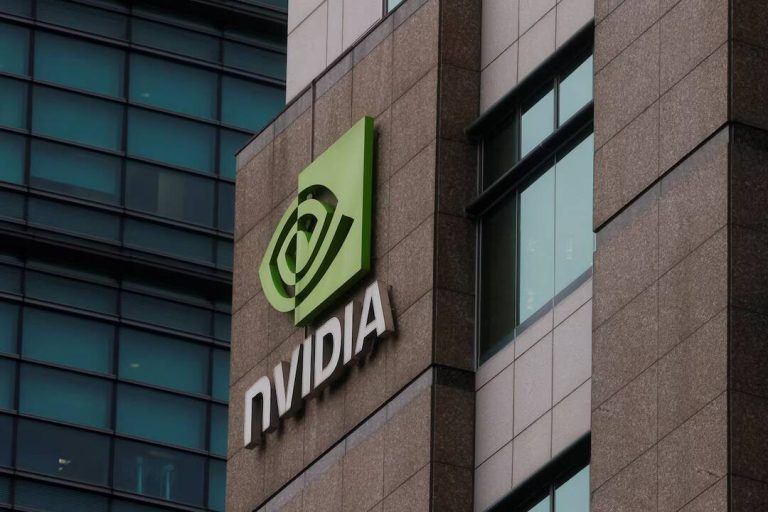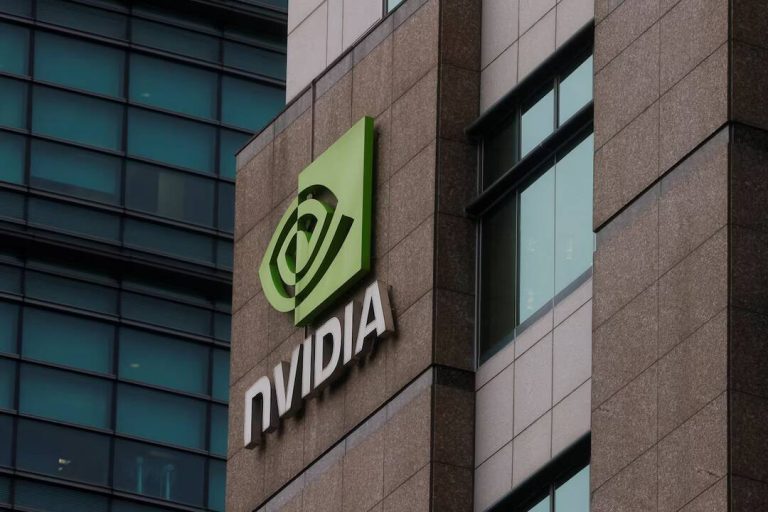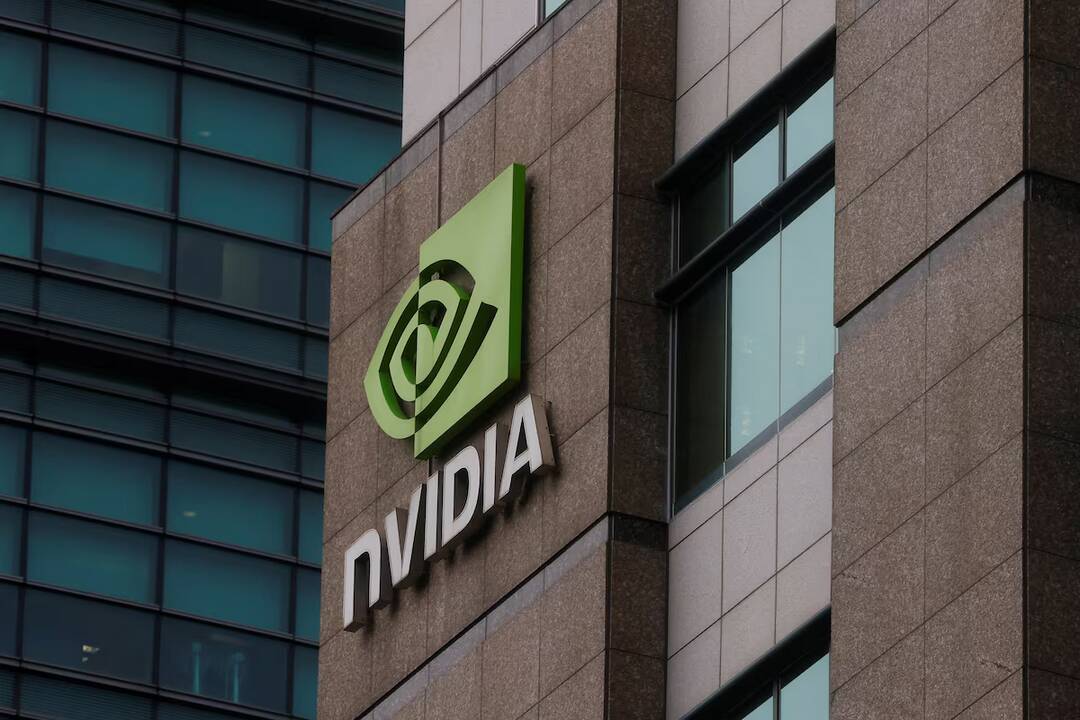
NVIDIA asks for full upfront payment for chips from Chinese buyers
In a significant development, NVIDIA, the renowned American technology company, has decided to alter its payment terms for Chinese customers purchasing its H200 AI chips. According to a report by Reuters, the company is now seeking full upfront payment from its Chinese buyers, with no options to cancel, ask for refunds, or change configurations after the placement of orders. This move marks a departure from NVIDIA’s earlier policy, which allowed clients to place a deposit rather than making full payment upfront.
The H200 AI chip is a highly sought-after product in the tech industry, particularly in the field of artificial intelligence. The chip’s capabilities make it an essential component for various applications, including natural language processing, computer vision, and machine learning. As a result, the demand for the H200 AI chip is high, and NVIDIA’s decision to change its payment terms is likely to have a significant impact on its Chinese customers.
The reasons behind NVIDIA’s decision to seek full upfront payment from its Chinese buyers are not entirely clear. However, it is believed that the company’s move is linked to the ongoing geopolitical tensions between the United States and China. The US government has been imposing restrictions on the export of advanced technologies, including AI chips, to China, citing national security concerns. As a result, there is a lack of clarity on whether Chinese regulators would allow the shipments of NVIDIA’s H200 AI chips to Chinese customers.
By seeking full upfront payment, NVIDIA is essentially trying to mitigate the risks associated with the uncertain regulatory environment. If Chinese regulators were to block the shipments of the H200 AI chips, NVIDIA would not have to worry about refunding its customers or dealing with the logistical challenges of canceling orders. The company’s decision is likely to be seen as a prudent move, given the current geopolitical climate.
The impact of NVIDIA’s decision on its Chinese customers is likely to be significant. Many Chinese companies, including tech giants like Huawei and Tencent, rely heavily on NVIDIA’s AI chips for their operations. The requirement to make full upfront payment may pose a significant financial burden on these companies, particularly smaller ones that may not have the resources to pay for the chips in advance.
Moreover, the lack of flexibility in NVIDIA’s new payment terms may also deter some Chinese customers from placing orders for the H200 AI chips. The inability to cancel or change orders after placement may make it difficult for companies to adapt to changing market conditions or technological advancements. As a result, some Chinese customers may be forced to explore alternative options, including chips from other manufacturers or domestic Chinese companies.
The implications of NVIDIA’s decision extend beyond the tech industry, with potential consequences for the broader economy. The US-China trade tensions have already had a significant impact on global trade and economic growth. The restrictions on the export of advanced technologies, including AI chips, have disrupted supply chains and created uncertainty for businesses.
In this context, NVIDIA’s decision to seek full upfront payment from its Chinese customers can be seen as a reflection of the escalating trade tensions between the two countries. The move is likely to be seen as a precautionary measure, aimed at protecting the company’s interests in a rapidly changing and uncertain regulatory environment.
As the US-China trade tensions continue to escalate, it is likely that we will see more companies taking similar measures to mitigate their risks. The impact of these decisions will be far-reaching, with potential consequences for businesses, economies, and consumers around the world.
In conclusion, NVIDIA’s decision to seek full upfront payment from its Chinese customers is a significant development that reflects the ongoing geopolitical tensions between the United States and China. The move is likely to have a significant impact on NVIDIA’s Chinese customers, who may face financial burdens and limited flexibility in their purchasing decisions. As the trade tensions between the two countries continue to escalate, it is essential to monitor the situation closely and assess the potential implications for businesses and economies around the world.
About the Author