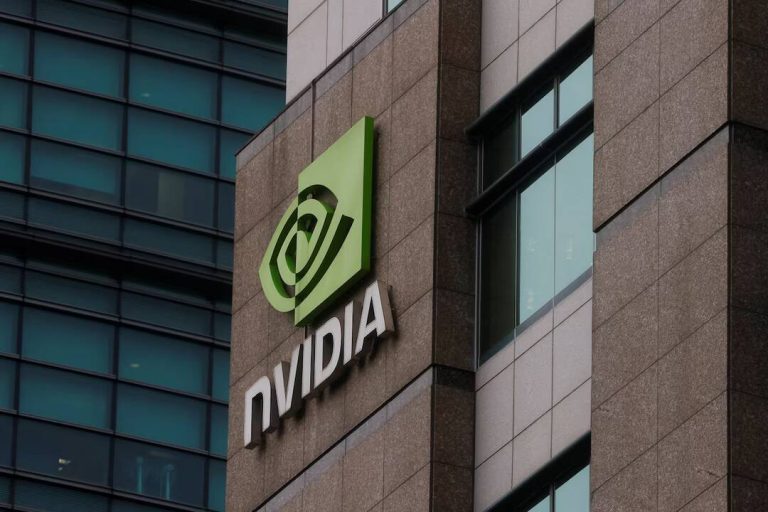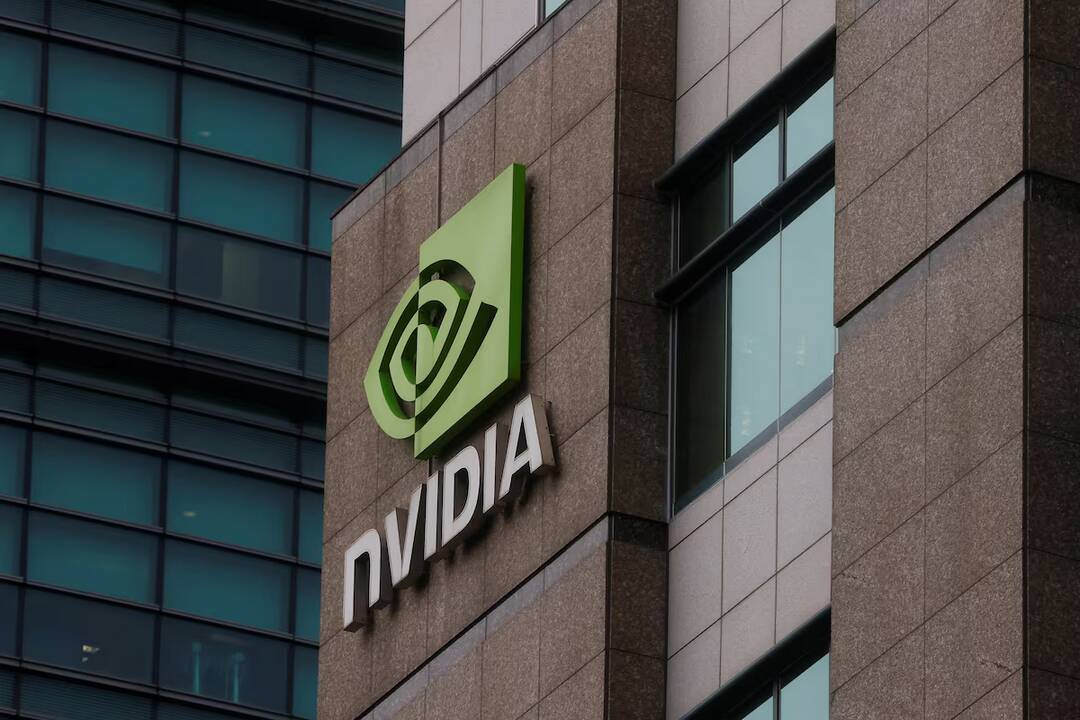
NVIDIA asks for full upfront payment for chips from Chinese buyers
The ongoing geopolitical tensions between the United States and China have led to a significant shift in the way American tech companies are doing business with Chinese clients. In a recent development, NVIDIA, a leading chipmaker, has started asking for full upfront payment from Chinese customers buying its H200 AI chips. This move is a significant departure from the company’s earlier policy, where clients could place a deposit rather than make full payment upfront.
According to a report by Reuters, NVIDIA is now seeking full payment from Chinese buyers before shipping its H200 AI chips. Moreover, once the payment is made, there are no options to cancel, ask for refunds, or change configurations after placement. This new policy is seen as a way for NVIDIA to mitigate potential risks associated with doing business in China, given the current tensions between the two countries.
The H200 AI chip is a high-performance chip designed for artificial intelligence applications, including natural language processing, computer vision, and machine learning. These chips are in high demand from Chinese tech companies, including those involved in the development of autonomous vehicles, smart cities, and other AI-powered projects.
NVIDIA’s decision to ask for full upfront payment from Chinese buyers comes amid a lack of clarity on whether Chinese regulators would allow the shipments. The US government has been imposing restrictions on the export of advanced technologies, including AI chips, to China, citing national security concerns. As a result, NVIDIA and other American chipmakers have been facing uncertainty about the fate of their shipments to China.
By asking for full upfront payment, NVIDIA is essentially transferring the risk to the Chinese buyers. If the shipments are blocked or delayed due to regulatory issues, the buyers will not be able to cancel their orders or seek refunds. This approach may help NVIDIA to avoid potential losses, but it may also deter some Chinese clients from placing orders.
The move is also seen as a reflection of the growing tensions between the US and China over technology and trade. The US government has been trying to restrict China’s access to advanced technologies, including AI chips, as part of its broader strategy to counter China’s rising technological prowess. China, on the other hand, has been trying to develop its own domestic chip industry to reduce its dependence on American technology.
The implications of NVIDIA’s decision are far-reaching. For Chinese tech companies, it means that they will have to pay upfront for the chips, without any assurance that they will receive the shipments. This may lead to a decrease in demand for NVIDIA’s chips in China, as some clients may opt for alternative suppliers that offer more flexible payment terms.
For NVIDIA, the move may help to reduce the risks associated with doing business in China, but it may also lead to a loss of market share in the country. China is a significant market for NVIDIA, and the company has been investing heavily in the country to tap into the growing demand for AI chips.
In conclusion, NVIDIA’s decision to ask for full upfront payment from Chinese buyers is a significant development that reflects the ongoing tensions between the US and China over technology and trade. While the move may help NVIDIA to mitigate potential risks, it may also lead to a decrease in demand for its chips in China. As the situation continues to evolve, it will be interesting to see how Chinese tech companies respond to NVIDIA’s new policy and whether other American chipmakers follow suit.
About the Author