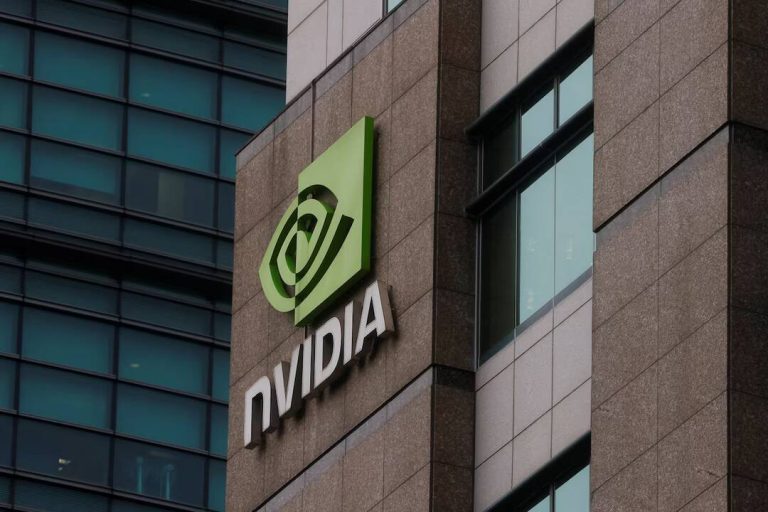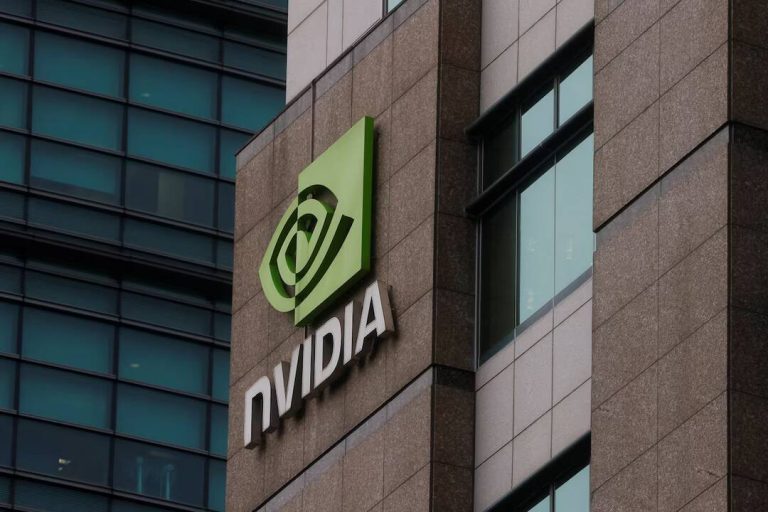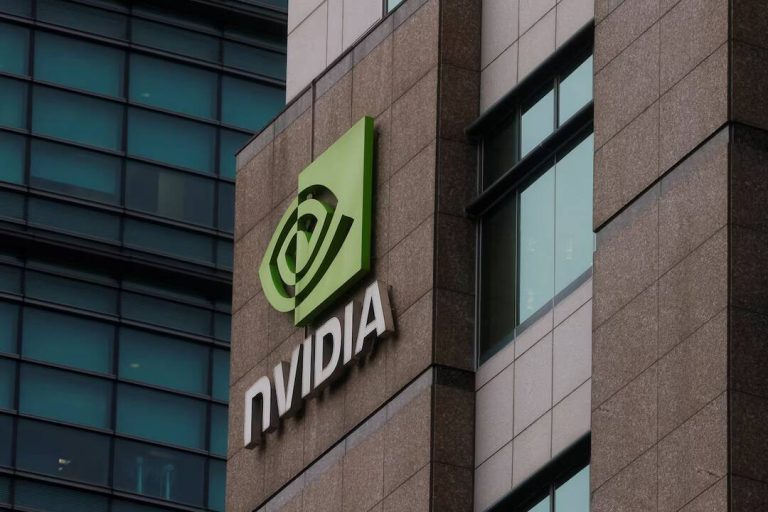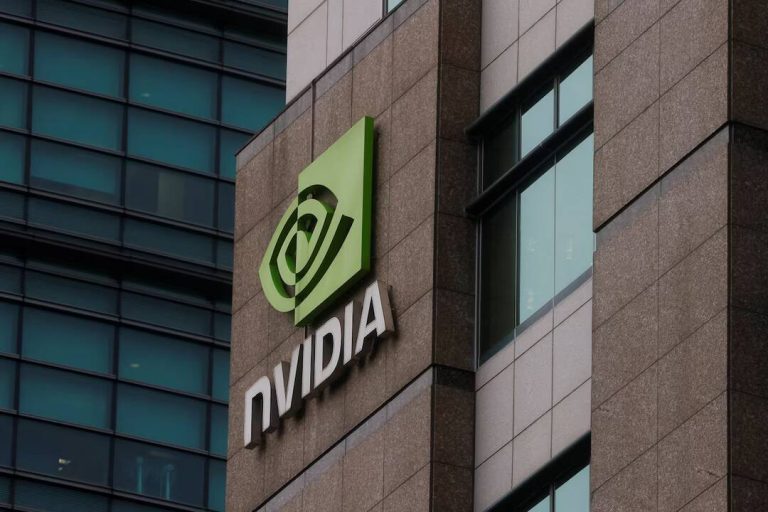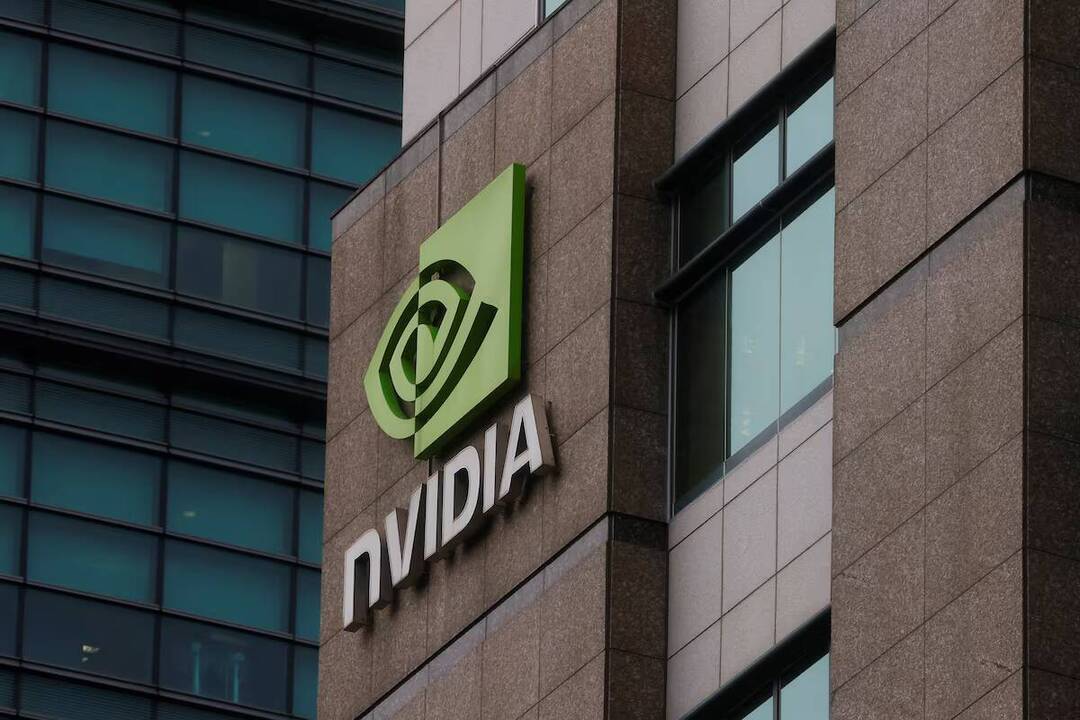
NVIDIA asks for full upfront payment for chips from Chinese buyers
In a significant development, NVIDIA, the leading American technology company, has started demanding full upfront payment from its Chinese customers for its H200 AI chips. According to a report by Reuters, the company is no longer allowing clients to place a deposit, instead, requiring them to pay the full amount upfront with no options to cancel, ask for refunds, or change configurations after the placement of the order. This move comes amid a lack of clarity on whether Chinese regulators would allow the shipments of these high-tech chips.
The H200 AI chips are a crucial component in the development of artificial intelligence and machine learning technologies, and China is one of the largest markets for these chips. However, the ongoing geopolitical tensions between the United States and China have created uncertainty around the export of these chips to China. The US government has been tightening its grip on the export of high-tech chips to China, citing national security concerns.
NVIDIA’s decision to demand full upfront payment from its Chinese customers can be seen as a way to mitigate the risks associated with the export of these chips. By requiring full payment upfront, the company can ensure that it receives the payment for the chips, even if the shipment is delayed or blocked by Chinese regulators. This move also reflects the company’s efforts to navigate the complex and uncertain regulatory landscape surrounding the export of high-tech chips to China.
The shift in NVIDIA’s payment policy is significant, as it marks a departure from the company’s earlier practice of allowing clients to place a deposit rather than making full payment upfront. This change in policy is likely to affect the cash flow of Chinese companies that rely on NVIDIA’s chips for their AI and machine learning applications. These companies may need to adjust their budgeting and financial planning to accommodate the new payment terms.
The demand for full upfront payment also raises questions about the future of NVIDIA’s business in China. The company has been a major player in the Chinese market, and its chips are widely used in various applications, including data centers, cloud computing, and artificial intelligence. However, the ongoing geopolitical tensions and the resulting regulatory uncertainty may force NVIDIA to re-evaluate its business strategy in China.
The impact of NVIDIA’s decision on the Chinese technology industry is likely to be significant. Many Chinese companies rely on NVIDIA’s chips for their AI and machine learning applications, and the new payment terms may force them to seek alternative suppliers or delay their projects. This could lead to a slowdown in the development of AI and machine learning technologies in China, which could have far-reaching implications for the country’s technology industry.
In addition to the impact on the Chinese technology industry, NVIDIA’s decision also reflects the broader trends in the global technology sector. The ongoing trade tensions between the US and China have created uncertainty and volatility in the global technology market, with many companies struggling to navigate the complex regulatory landscape. The demand for full upfront payment from Chinese customers is just one example of the measures that companies are taking to mitigate the risks associated with the export of high-tech chips to China.
In conclusion, NVIDIA’s decision to demand full upfront payment from its Chinese customers for its H200 AI chips reflects the company’s efforts to navigate the complex and uncertain regulatory landscape surrounding the export of high-tech chips to China. The shift in payment policy is significant, and it is likely to affect the cash flow of Chinese companies that rely on NVIDIA’s chips for their AI and machine learning applications. As the global technology sector continues to evolve, companies like NVIDIA will need to adapt to the changing regulatory landscape and find ways to mitigate the risks associated with the export of high-tech chips to countries like China.
About the Author