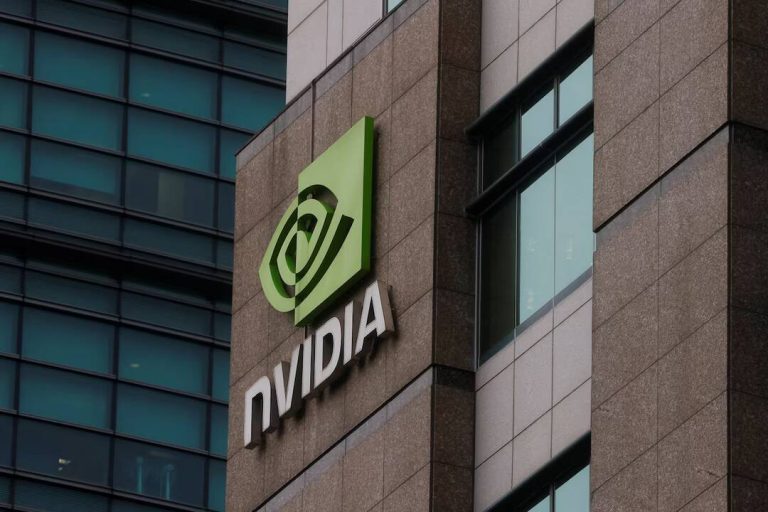
NVIDIA asks for full upfront payment for chips from Chinese buyers
The global semiconductor industry has been experiencing significant turmoil in recent times, with the ongoing geopolitical tensions between the US and China having a profound impact on the sector. In the latest development, NVIDIA, a leading American technology company, has taken a drastic step to mitigate potential risks associated with selling its high-end AI chips to Chinese customers. According to a report by Reuters, NVIDIA is now seeking full upfront payment from Chinese buyers for its H200 AI chips, with no options to cancel, ask for refunds, or change configurations after placement.
This move marks a significant departure from the company’s previous policy, which allowed clients to place a deposit rather than making full payment upfront. The change in stance is largely driven by the uncertainty surrounding the shipment of AI chips to China, given the current geopolitical climate. The US government has been increasingly scrutinizing the export of advanced technologies to China, citing national security concerns. As a result, NVIDIA is taking a cautious approach to ensure that it does not get caught in the crossfire.
The H200 AI chip is a highly advanced processor designed for artificial intelligence and machine learning applications. It is a crucial component in many datacenter and cloud computing systems, and its export to China has been subject to strict regulations. The US government has imposed significant restrictions on the sale of advanced AI chips to China, citing concerns that they could be used for military or surveillance purposes. As a result, NVIDIA is taking a proactive approach to manage the risks associated with selling its AI chips to Chinese customers.
By demanding full upfront payment, NVIDIA is essentially transferring the risk to the buyer. If the shipment is blocked or delayed due to regulatory issues, the buyer will not be able to cancel the order or seek a refund. This approach may deter some Chinese customers from placing orders, but it also ensures that NVIDIA is not left with a large inventory of unsold chips. The company is clearly prioritizing its own interests and taking a cautious approach to navigate the complex regulatory landscape.
The move is also likely to have significant implications for the Chinese tech industry, which relies heavily on imported AI chips for its datacenter and cloud computing needs. The lack of access to advanced AI chips could hinder the growth of China’s tech sector, which is already facing significant challenges due to the US-China trade tensions. The Chinese government has been actively promoting the development of its domestic semiconductor industry, but it still lags behind the US and other countries in terms of technology and expertise.
The ongoing tensions between the US and China have created a highly uncertain environment for the global tech industry. The restrictions on the export of advanced AI chips to China are just one example of the many challenges that companies like NVIDIA are facing. As the situation continues to evolve, it is likely that we will see more companies taking similar steps to mitigate risks and protect their interests.
In conclusion, NVIDIA’s decision to demand full upfront payment from Chinese buyers for its H200 AI chips is a significant development in the ongoing saga of US-China trade tensions. The move reflects the company’s cautious approach to managing risks in a highly uncertain environment. As the global tech industry continues to navigate the complexities of the US-China trade relationship, it is likely that we will see more companies taking similar steps to protect their interests.
About the Author