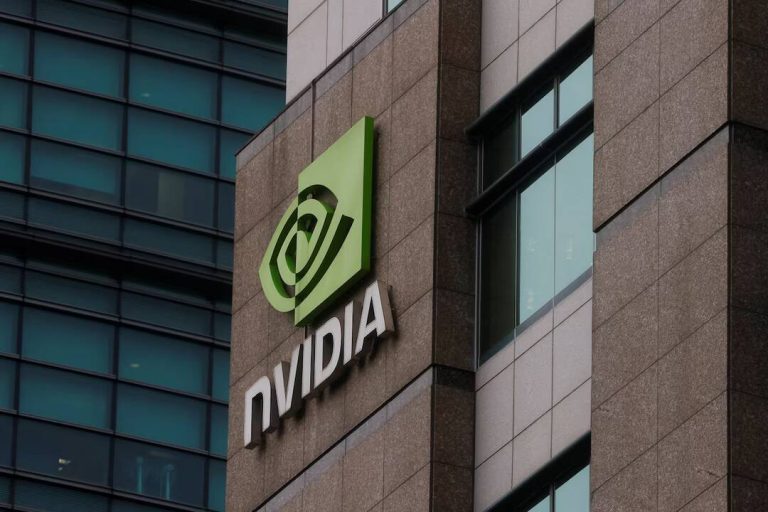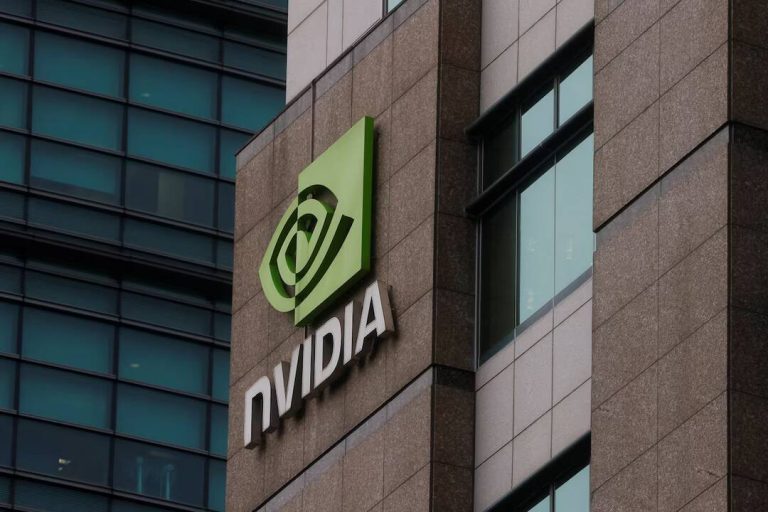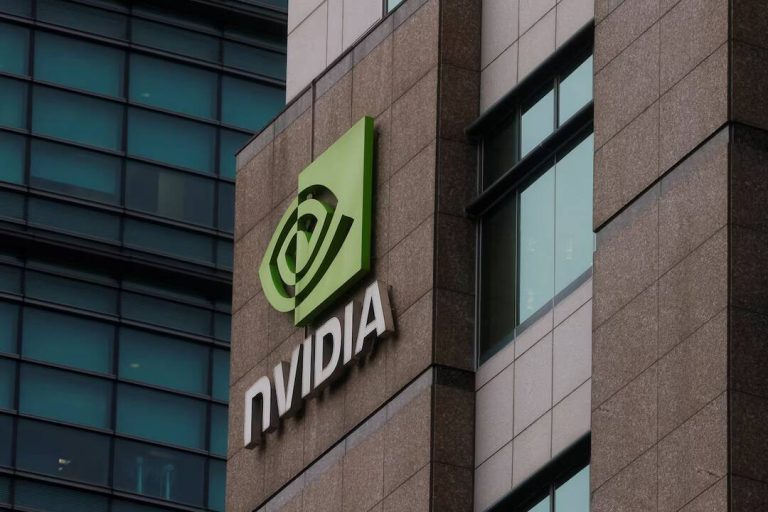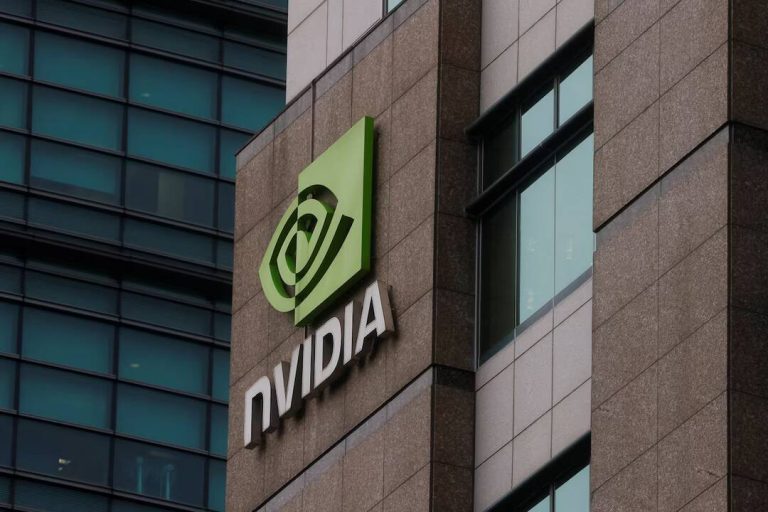
NVIDIA asks for full upfront payment for chips from Chinese buyers
The world of technology is constantly evolving, and the latest development in the industry has left many stunned. In a surprising move, NVIDIA, the renowned chipmaker, has started demanding full upfront payment from Chinese customers for its H200 AI chips. This new policy, as reported by Reuters, has sparked a lot of debate and raised several questions about the future of the tech industry.
According to the reports, Chinese customers buying NVIDIA’s H200 AI chips will no longer have the option to cancel their orders, ask for refunds, or change configurations after placing their orders. This means that once an order is placed, the customer will have to pay the full amount upfront, without any scope for modifications or cancellations. Earlier, NVIDIA allowed its clients to place a deposit rather than making full payment upfront, which provided a degree of flexibility to the customers.
This change in policy comes at a time when there is a lack of clarity on whether Chinese regulators would allow the shipments of these AI chips. The move is seen as a strategic decision by NVIDIA to mitigate potential risks and losses in case the shipments are not approved by the regulators. By demanding full upfront payment, NVIDIA is essentially transferring the risk to the customers, who will have to bear the entire cost of the chips, even if they are not delivered.
The H200 AI chip is a high-performance chip designed for artificial intelligence applications, and it is in high demand among Chinese tech companies. However, the ongoing geopolitical tensions between the US and China have created uncertainty around the shipment of these chips. The US government has imposed strict regulations on the export of advanced technologies, including AI chips, to China, citing national security concerns.
NVIDIA’s decision to demand full upfront payment from Chinese customers is likely to have significant implications for the tech industry. On one hand, it reflects the company’s efforts to navigate the complex regulatory landscape and minimize potential losses. On the other hand, it may deter some Chinese customers from placing orders, as they may not be willing to bear the entire cost of the chips upfront.
The move is also seen as a reflection of the growing tensions between the US and China, which are increasingly competing for technological supremacy. The US government has been tightening its grip on the export of advanced technologies to China, citing concerns about intellectual property theft, national security, and unfair trade practices. China, on the other hand, has been trying to reduce its dependence on US technologies and develop its own domestic capabilities.
The implications of NVIDIA’s decision are far-reaching, and they may have significant consequences for the global tech industry. If other chipmakers follow suit, it could lead to a significant increase in costs for Chinese tech companies, which may struggle to compete with their global peers. It could also lead to a slowdown in the adoption of AI technologies in China, which is a critical market for many tech companies.
In conclusion, NVIDIA’s decision to demand full upfront payment from Chinese customers for its H200 AI chips is a significant development that reflects the complex and uncertain regulatory landscape of the tech industry. While the move may help NVIDIA mitigate potential risks and losses, it may also have significant implications for the global tech industry, particularly for Chinese tech companies. As the situation continues to evolve, it will be interesting to see how other chipmakers respond and how the Chinese regulators react to NVIDIA’s decision.
About the Author