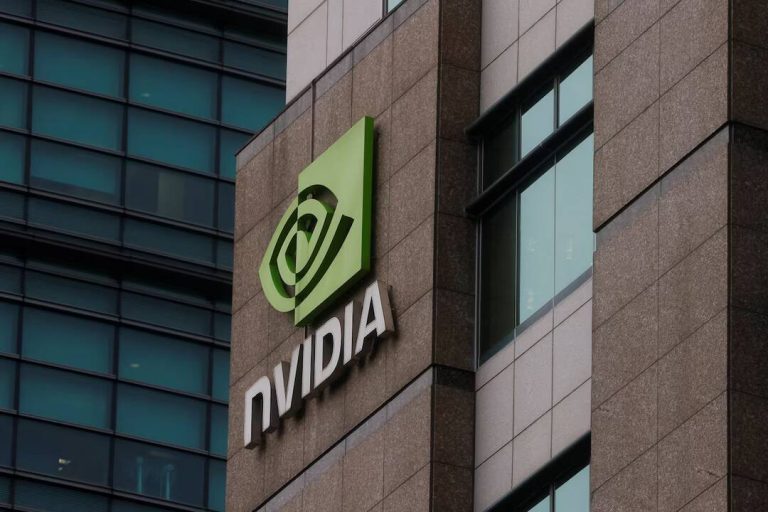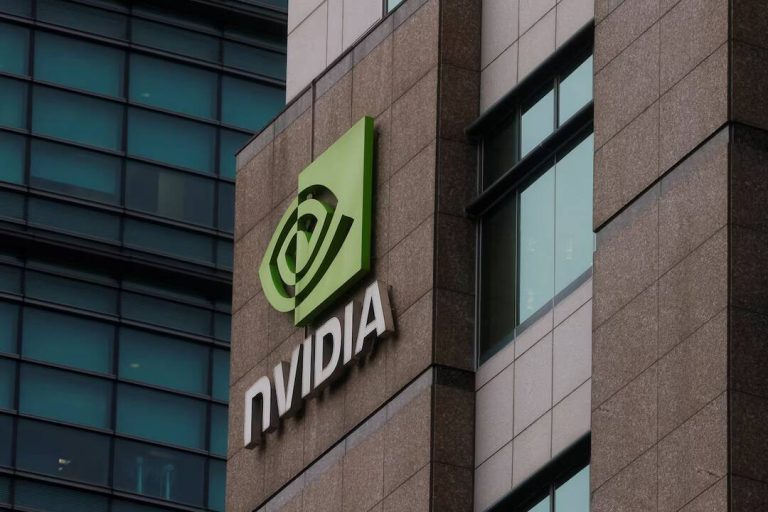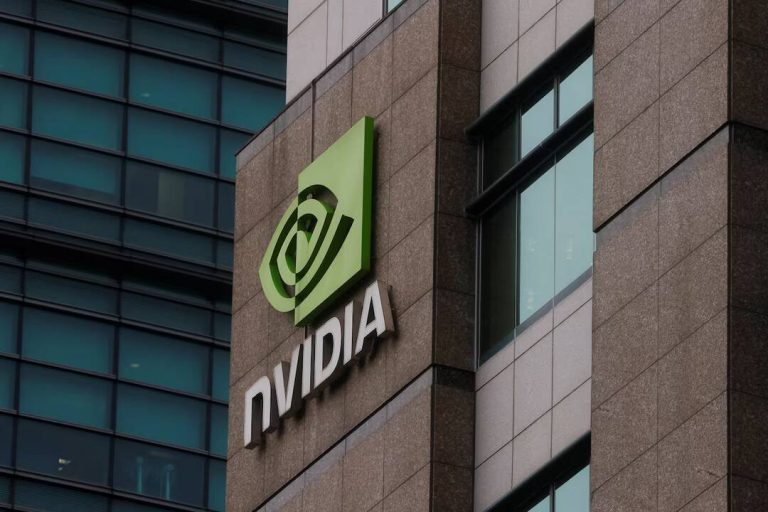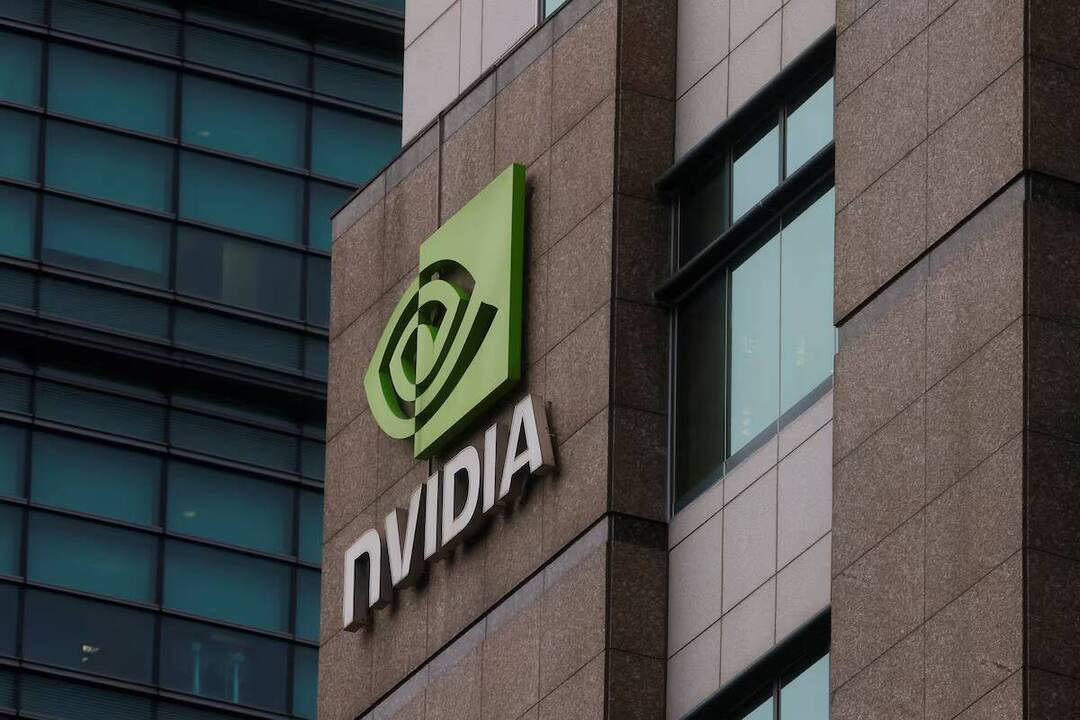
NVIDIA asks for full upfront payment for chips from Chinese buyers
The global semiconductor industry has been witnessing a significant shift in recent times, with the ongoing geopolitical tensions between the United States and China playing a crucial role in shaping the market dynamics. Amidst this backdrop, NVIDIA, a leading American technology company, has taken a bold step by seeking full upfront payment from its Chinese customers for its H200 AI chips. According to a report by Reuters, the company is no longer allowing its clients to place a deposit, instead, demanding full payment upfront with no options to cancel, ask for refunds, or change configurations after placement.
This move by NVIDIA comes at a time when there is a lack of clarity on whether Chinese regulators would allow the shipments of its AI chips to the country. The company’s decision to demand full upfront payment is seen as a strategic move to mitigate potential risks and losses in case the shipments are blocked or delayed due to regulatory hurdles. By seeking full payment upfront, NVIDIA is essentially transferring the risk to its Chinese customers, who will have to bear the brunt of any potential losses or delays.
The H200 AI chip is a high-performance chip designed for artificial intelligence and machine learning applications. It is a critical component in many modern technologies, including data centers, cloud computing, and autonomous vehicles. The chip’s advanced capabilities and high demand have made it a prized possession for many tech companies, including those in China. However, the ongoing trade tensions between the US and China have created uncertainty around the shipment of these chips to Chinese companies.
NVIDIA’s move to demand full upfront payment from Chinese buyers is not surprising, given the current geopolitical climate. The US government has been imposing restrictions on the export of advanced technologies, including AI chips, to China, citing national security concerns. These restrictions have created uncertainty and risk for companies like NVIDIA, which rely heavily on the Chinese market for their revenue.
The implications of NVIDIA’s move are far-reaching and could have significant consequences for the global semiconductor industry. By demanding full upfront payment, NVIDIA is essentially creating a new business model for its Chinese customers. This model shifts the risk from the supplier to the buyer, making it more challenging for Chinese companies to acquire the advanced AI chips they need for their operations.
The move could also lead to a shortage of AI chips in China, as local companies may be hesitant to pay full upfront payment for chips that may not be delivered due to regulatory hurdles. This could have a ripple effect on the entire tech industry, as many Chinese companies rely on these chips for their products and services.
Furthermore, NVIDIA’s decision could also lead to a rise in prices of AI chips in China, as local companies may be forced to pay a premium to secure the chips they need. This could lead to a competitive disadvantage for Chinese companies, making it more challenging for them to compete with their global peers.
In conclusion, NVIDIA’s move to demand full upfront payment from Chinese buyers for its H200 AI chips is a significant development in the global semiconductor industry. The move reflects the ongoing geopolitical tensions between the US and China and the uncertainty surrounding the shipment of advanced technologies to China. While the move may mitigate risks for NVIDIA, it could have far-reaching consequences for the global tech industry, including a potential shortage of AI chips in China and a rise in prices.
As the situation continues to evolve, it will be interesting to see how Chinese companies respond to NVIDIA’s demands. Will they agree to pay full upfront payment, or will they explore alternative options? The answer to this question will have significant implications for the global tech industry and the future of AI chip supplies in China.
About the Author