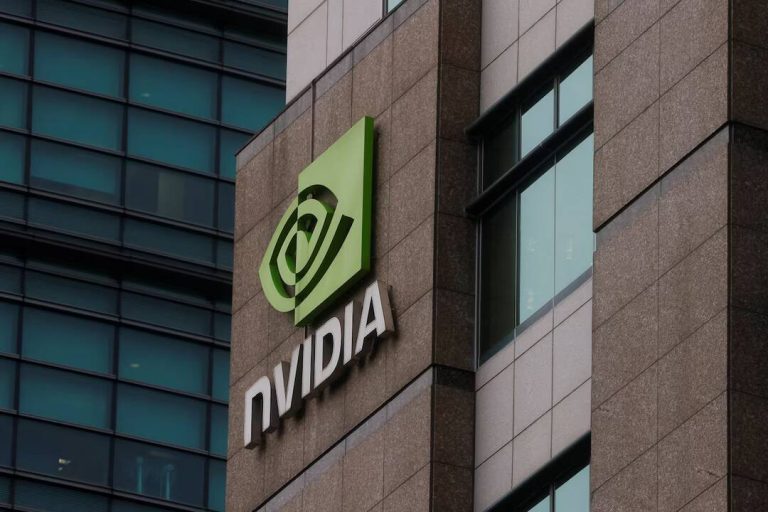
NVIDIA asks for full upfront payment for chips from Chinese buyers
The global semiconductor industry has been witnessing a significant shift in recent years, with the ongoing geopolitical tensions between the US and China playing a major role in shaping the market dynamics. In a recent development, NVIDIA, a leading American chipmaker, has taken a bold step by asking its Chinese customers to make full upfront payments for its H200 AI chips. This move is seen as a significant departure from the company’s earlier policy, where clients were allowed to place a deposit rather than making full payment upfront.
According to a report by Reuters, NVIDIA’s decision to demand full upfront payment from its Chinese customers is largely driven by the uncertainty surrounding the shipment of its AI chips to China. The US government has been imposing strict regulations on the export of advanced technologies, including AI chips, to China, citing national security concerns. As a result, NVIDIA is seeking to minimize its risks by asking its Chinese customers to make full payment upfront, with no options to cancel, ask for refunds, or change configurations after placement.
This move is likely to have significant implications for NVIDIA’s Chinese customers, who may be forced to rethink their procurement strategies. The H200 AI chip is a high-end product that is widely used in data centers and other applications, and the full upfront payment requirement may pose a significant financial burden on customers. Moreover, the lack of flexibility in the payment terms may also limit the ability of customers to adapt to changing market conditions or technological advancements.
The reasons behind NVIDIA’s decision to demand full upfront payment are complex and multifaceted. On the one hand, the company is seeking to protect its interests by minimizing the risks associated with non-payment or cancellation of orders. On the other hand, the move is also seen as a reflection of the broader geopolitical tensions between the US and China, which are having a significant impact on the global technology industry.
The US government has been tightening its grip on the export of advanced technologies to China, citing concerns about the potential misuse of these technologies for military or other malicious purposes. As a result, companies like NVIDIA are facing significant challenges in navigating the complex regulatory landscape and ensuring compliance with US export control laws.
In this context, NVIDIA’s decision to demand full upfront payment from its Chinese customers can be seen as a pragmatic response to the evolving market conditions. By minimizing its risks and ensuring that it receives full payment for its products, the company can better navigate the uncertainties of the global market and protect its interests.
However, the implications of this move are likely to be far-reaching and may have significant consequences for the global technology industry. For one, the decision may set a precedent for other companies to follow, potentially leading to a shift in the way that technology products are sold and distributed globally. Moreover, the move may also exacerbate the existing tensions between the US and China, potentially leading to further restrictions on the export of advanced technologies.
In conclusion, NVIDIA’s decision to demand full upfront payment from its Chinese customers is a significant development that reflects the complex and evolving dynamics of the global technology industry. As the geopolitical tensions between the US and China continue to escalate, companies like NVIDIA are facing significant challenges in navigating the regulatory landscape and ensuring compliance with export control laws. While the move may pose significant challenges for Chinese customers, it is also a pragmatic response to the evolving market conditions and a reflection of the company’s efforts to protect its interests.
About the Author