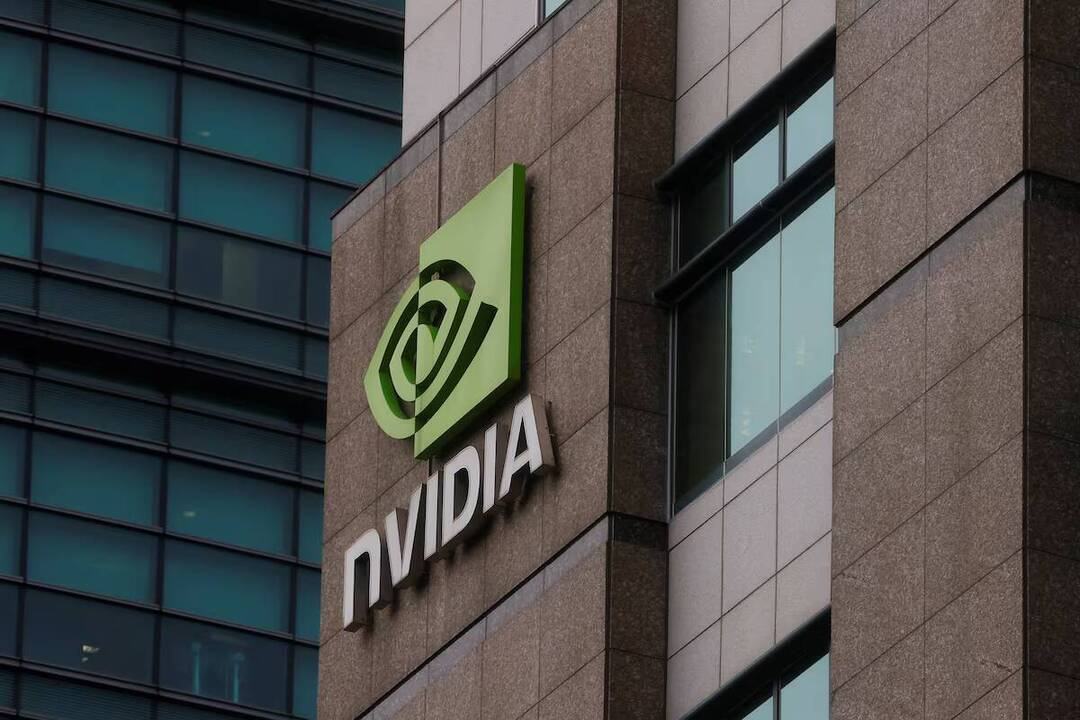
NVIDIA asks for full upfront payment for chips from Chinese buyers
The global semiconductor industry has been witnessing a significant shift in recent times, with the ongoing geopolitical tensions between the United States and China playing a major role in shaping the market dynamics. In a recent development, NVIDIA, a leading American technology company, has made a significant change in its payment policies for Chinese customers buying its H200 AI chips. According to a report by Reuters, NVIDIA is now seeking full upfront payment from Chinese buyers, with no options to cancel, ask for refunds, or change configurations after placement.
This move marks a significant departure from the company’s earlier policy, which allowed clients to place a deposit rather than make full payment upfront. The change in policy is seen as a response to the lack of clarity on whether Chinese regulators would allow the shipments of NVIDIA’s AI chips to Chinese customers. The US government has been imposing strict regulations on the export of advanced semiconductor technology to China, citing national security concerns.
The H200 AI chip is a high-end product from NVIDIA, designed for use in data centers and other applications that require advanced artificial intelligence capabilities. The chip is considered a critical component in the development of various AI applications, including natural language processing, computer vision, and machine learning. Chinese companies, including tech giants like Alibaba and Tencent, have been major buyers of NVIDIA’s AI chips, using them to power their cloud computing and AI services.
However, the ongoing trade tensions between the US and China have created uncertainty around the export of advanced semiconductor technology to China. The US government has been tightening its grip on the export of sensitive technologies, including AI chips, to Chinese companies, citing concerns about the potential misuse of these technologies for military or other malicious purposes.
In this context, NVIDIA’s decision to seek full upfront payment from Chinese buyers can be seen as a move to mitigate the risks associated with the export of its AI chips to China. By requiring full payment upfront, NVIDIA can ensure that it receives the payment for its chips, even if the Chinese regulators decide to block the shipment of the chips.
The move is also seen as a reflection of the growing tensions between the US and China over technology and trade. The US government has been accusing China of stealing American intellectual property and using it to develop its own technology industry. China, on the other hand, has been accusing the US of using its technological prowess to stifle China’s technological ambitions.
The implications of NVIDIA’s move are significant, not just for the company itself but also for the broader semiconductor industry. The decision to seek full upfront payment from Chinese buyers may set a precedent for other American technology companies, which may also start to adopt similar policies to mitigate the risks associated with exporting sensitive technologies to China.
The move may also have significant implications for Chinese companies, which have been relying heavily on American technology companies for their AI and cloud computing needs. The lack of access to advanced AI chips may hinder the growth of China’s tech industry, which has been a major driver of the country’s economic growth in recent years.
In conclusion, NVIDIA’s decision to seek full upfront payment from Chinese buyers is a significant development in the global semiconductor industry. The move reflects the growing tensions between the US and China over technology and trade and may have significant implications for the broader industry. As the trade tensions between the two countries continue to escalate, it remains to be seen how the situation will unfold and what impact it will have on the global technology industry.
About the Author