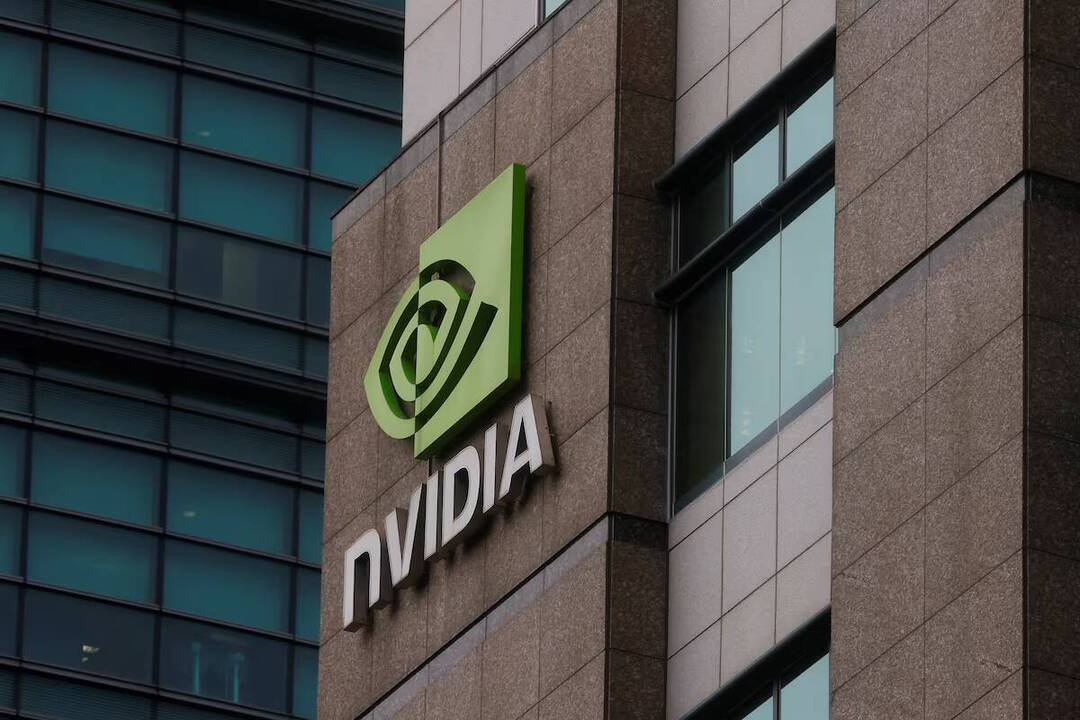
NVIDIA asks for full upfront payment for chips from Chinese buyers
The world of technology is no stranger to geopolitical tensions, and the latest development in this sphere is a significant one. NVIDIA, a leading chipmaker, has recently made a notable change in its payment policy for Chinese customers. According to a report by Reuters, NVIDIA is now seeking full upfront payment from Chinese customers buying its H200 AI chips. This move marks a departure from the company’s earlier policy, where clients could place a deposit rather than making full payment upfront.
The H200 AI chip is a crucial component in the development of artificial intelligence (AI) and machine learning (ML) technologies. These chips are used in a variety of applications, including data centers, cloud computing, and autonomous vehicles. The demand for these chips is high, and NVIDIA is one of the leading suppliers in the market. However, the company’s decision to demand full upfront payment from Chinese customers has raised eyebrows in the industry.
The reason behind this move is not entirely clear, but it is believed to be linked to the lack of clarity on whether Chinese regulators would allow the shipments of these chips. The US government has imposed restrictions on the export of certain high-tech products, including AI chips, to China. These restrictions are part of a broader effort to limit China’s access to advanced technologies that could be used for military or surveillance purposes.
NVIDIA’s decision to demand full upfront payment from Chinese customers is seen as a way to mitigate the risks associated with these restrictions. By requiring full payment upfront, the company can ensure that it receives the payment for the chips, regardless of whether the shipment is allowed to proceed or not. This move also gives NVIDIA more control over the sales process, as customers will not be able to cancel their orders or ask for refunds once the payment has been made.
The implications of this move are significant, not just for NVIDIA but also for the broader tech industry. The demand for AI chips is expected to continue to grow in the coming years, driven by the increasing adoption of AI and ML technologies across various industries. However, the restrictions on the export of these chips to China could limit the growth of this market.
For Chinese customers, NVIDIA’s decision to demand full upfront payment could be a significant hurdle. Many of these customers may not be willing or able to make full payment upfront, especially if they are not sure whether the shipment will be allowed to proceed. This could lead to a decline in sales for NVIDIA, at least in the short term.
The move also highlights the complexities of doing business in a geopolitically charged environment. The tensions between the US and China have been escalating in recent years, and the tech industry has been caught in the crossfire. The restrictions on the export of high-tech products to China are just one example of the ways in which these tensions are playing out.
In conclusion, NVIDIA’s decision to demand full upfront payment from Chinese customers buying its H200 AI chips is a significant development in the tech industry. The move is seen as a way to mitigate the risks associated with the restrictions on the export of these chips to China. However, it also highlights the complexities of doing business in a geopolitically charged environment. As the demand for AI chips continues to grow, it will be interesting to see how this situation unfolds and what implications it will have for the broader tech industry.
About the Author


