NVIDIA asks for full upfront payment for chips from Chinese buyers
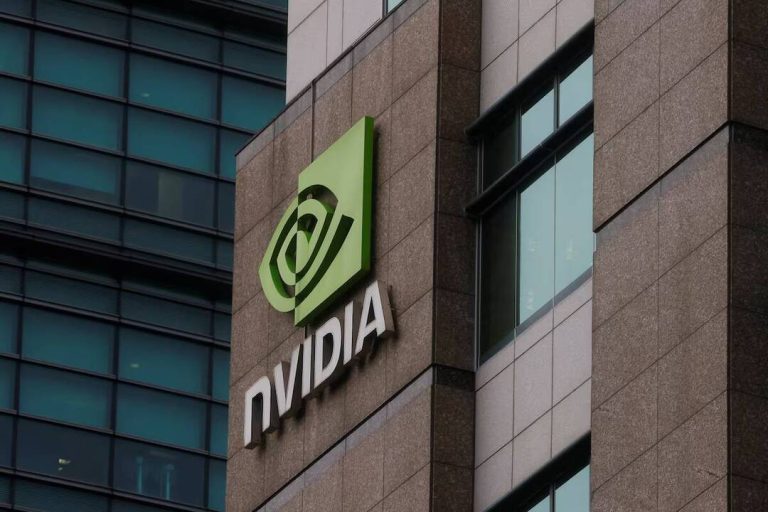
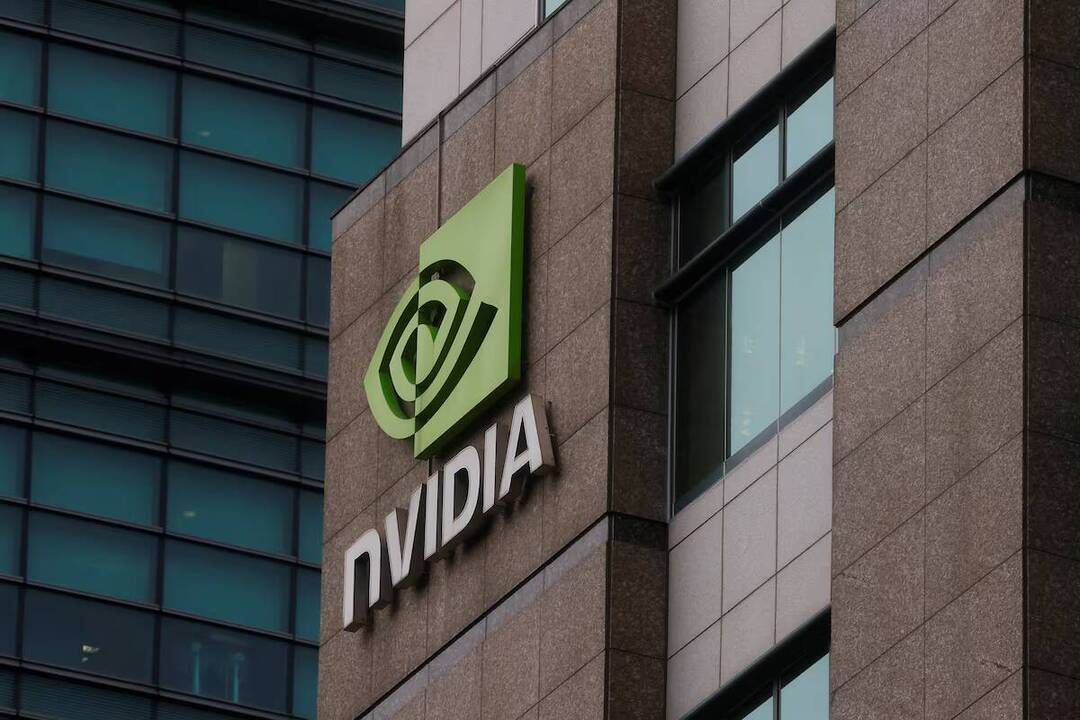
In a significant development, NVIDIA, a leading American technology company, has started demanding full upfront payment from Chinese customers for its H200 AI chips. This new policy, as reported by Reuters, marks a departure from the company’s earlier practice of allowing clients to place a deposit rather than making full payment upfront. The change comes at a time of heightened geopolitical tensions and uncertainty surrounding the shipment of these chips to Chinese buyers.
The H200 AI chips are a crucial component in the development of various artificial intelligence (AI) applications, including natural language processing, computer vision, and machine learning. These chips are designed to provide high-performance computing capabilities, making them an essential tool for companies and research institutions involved in AI-related work. However, the export of these chips to China has become a contentious issue due to concerns over national security and the potential for military applications.
According to the new policy, Chinese customers buying NVIDIA’s H200 AI chips will have to pay the full amount upfront, with no options to cancel, ask for refunds, or change configurations after placement. This means that once an order is placed, the buyer will be committed to paying the full amount, regardless of any changes in their requirements or circumstances. This approach is likely to increase the financial risk for Chinese buyers, who may be hesitant to commit to such large upfront payments without any flexibility.
The move by NVIDIA is seen as a response to the uncertainty surrounding the shipment of its AI chips to China. The company is likely trying to mitigate the risks associated with potential cancellations or changes in orders, which could result in significant financial losses. By demanding full upfront payment, NVIDIA is essentially transferring the risk to the buyer, who will have to bear the consequences of any changes or cancellations.
The lack of clarity on whether Chinese regulators would allow the shipments of NVIDIA’s AI chips is a major factor behind this decision. The US government has imposed restrictions on the export of certain AI chips to China, citing national security concerns. As a result, NVIDIA and other chipmakers are facing uncertainty over the fate of their shipments to China. By demanding full upfront payment, NVIDIA is trying to ensure that it receives payment for its chips, even if the shipments are ultimately blocked or delayed by regulatory issues.
This development is likely to have significant implications for the AI industry in China, which relies heavily on imports of high-performance computing chips. The Chinese government has been trying to develop its own domestic chip industry, but the country still relies on imports of certain critical components, including AI chips. The new policy by NVIDIA is likely to increase the costs and risks for Chinese AI companies, which may be forced to seek alternative suppliers or develop their own domestic solutions.
The move by NVIDIA is also seen as a reflection of the broader geopolitical tensions between the US and China. The two countries are engaged in a trade war, with the US imposing restrictions on the export of certain technologies to China. The semiconductor industry has been a key area of focus, with the US government seeking to limit China’s access to advanced chip technology. NVIDIA’s decision to demand full upfront payment from Chinese buyers is likely to be seen as a response to these tensions, as the company seeks to navigate the complex regulatory landscape.
In conclusion, NVIDIA’s decision to demand full upfront payment from Chinese buyers for its H200 AI chips reflects the uncertainty and risks associated with the shipment of these chips to China. The move is likely to increase the costs and risks for Chinese AI companies, which may be forced to seek alternative suppliers or develop their own domestic solutions. As the trade tensions between the US and China continue to escalate, the semiconductor industry is likely to remain a key area of focus, with companies like NVIDIA seeking to navigate the complex regulatory landscape.
About the Author