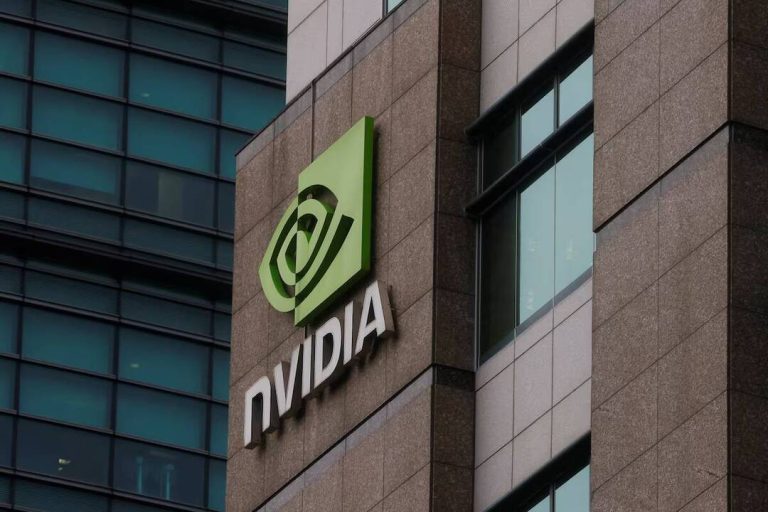
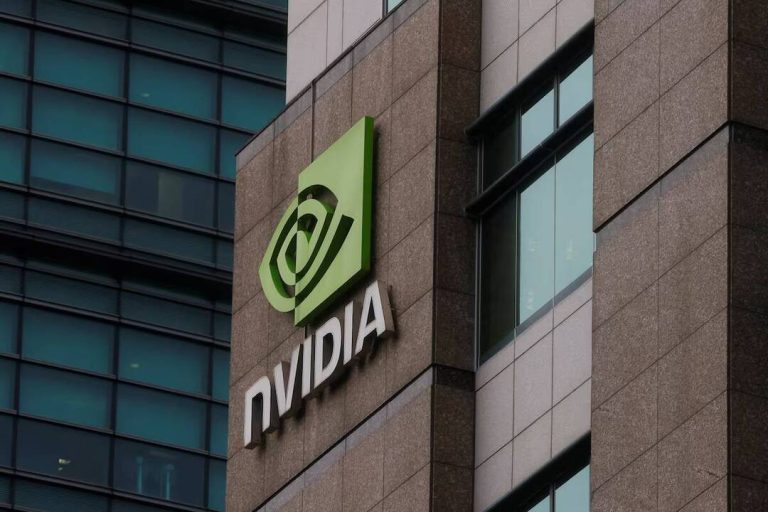
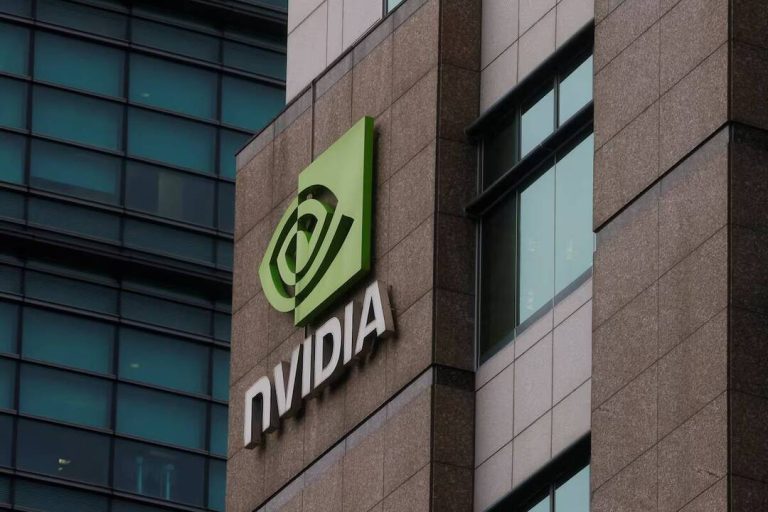
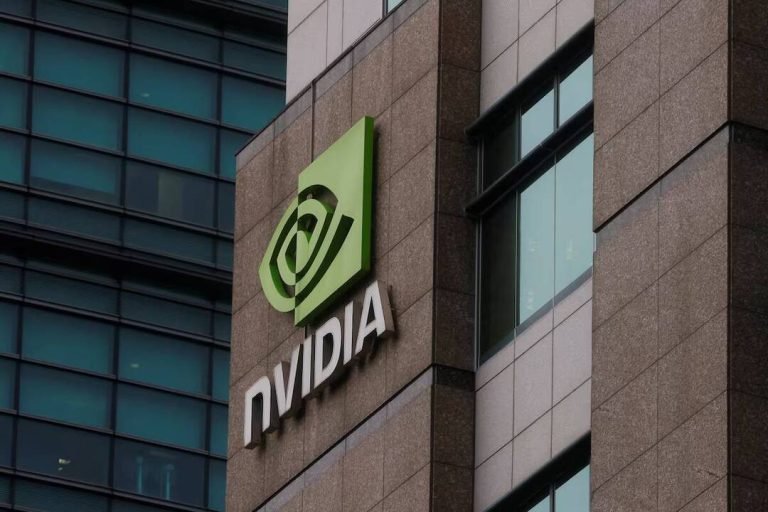
NVIDIA asks for full upfront payment for chips from Chinese buyers
In a significant development, NVIDIA, the leading American technology company, has started seeking full upfront payment from its Chinese customers for its H200 AI chips. According to a report by Reuters, the chipmaker is now requiring its Chinese buyers to pay the entire amount upfront, with no options to cancel, ask for refunds, or change configurations after the placement of the order. This move marks a departure from the company’s earlier practice of allowing clients to place a deposit rather than making full payment upfront.
The H200 AI chip is a high-end product designed for artificial intelligence applications, and it is widely used in data centers and other industries. The chip’s advanced capabilities and high demand have made it a crucial component in the global technology supply chain. However, the current geopolitical tensions between the United States and China have created uncertainty and risks for companies like NVIDIA that operate in the global market.
NVIDIA’s decision to demand full upfront payment from its Chinese customers is likely a response to the lack of clarity on whether Chinese regulators would allow the shipments of its AI chips. The US government has imposed restrictions on the export of advanced AI chips to China, citing national security concerns. As a result, NVIDIA and other chipmakers are facing challenges in shipping their products to Chinese customers.
The new payment terms imposed by NVIDIA are expected to have a significant impact on the company’s Chinese customers. Many of these customers are likely to be small and medium-sized businesses that may not have the financial resources to pay the full amount upfront. The lack of flexibility in the payment terms may also deter some customers from placing orders, which could affect NVIDIA’s sales revenue in the Chinese market.
The move by NVIDIA is also seen as a sign of the escalating tensions between the US and China over technology and trade. The two countries have been engaged in a trade war for several years, with the US imposing tariffs on Chinese goods and China retaliating with its own tariffs on American products. The technology sector has been particularly affected, with companies like Huawei and ZTE facing restrictions on their operations in the US.
The demand for full upfront payment by NVIDIA is also likely to affect the company’s relationships with its Chinese customers. Many of these customers may feel that the new payment terms are unfair and may seek alternative suppliers that offer more flexible payment options. This could lead to a loss of market share for NVIDIA in the Chinese market, which is a significant contributor to the company’s global sales.
In addition to the payment terms, NVIDIA is also facing challenges in complying with the US export regulations. The company needs to ensure that its AI chips are not used for military or other sensitive applications in China. To achieve this, NVIDIA may need to implement additional controls and monitoring mechanisms to track the use of its chips in China.
The situation highlights the complexities and risks faced by technology companies operating in the global market. The geopolitical tensions between the US and China have created a challenging environment for companies like NVIDIA, which need to balance their business interests with the regulatory requirements and national security concerns.
In conclusion, NVIDIA’s decision to demand full upfront payment from its Chinese customers for its H200 AI chips reflects the uncertainties and risks associated with the current geopolitical tensions between the US and China. The move is likely to have significant implications for the company’s sales revenue, customer relationships, and market share in the Chinese market. As the technology sector continues to evolve, companies like NVIDIA will need to navigate the complex regulatory landscape and geopolitical tensions to remain competitive and successful.
About the Author