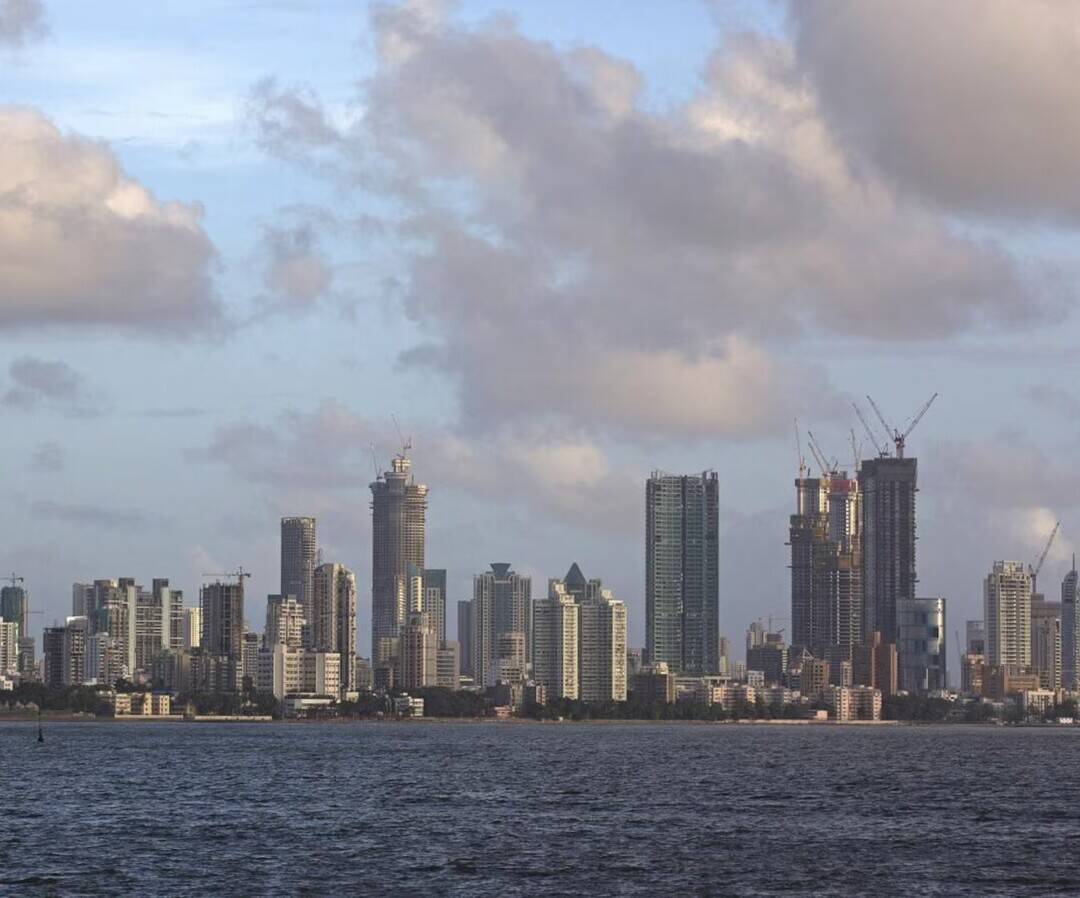
Luxury flats in Mumbai costing as much as flats in New York’s Manhattan
The real estate market in Mumbai has always been known for its exorbitant prices, but a recent report has revealed that the prices of premium apartments in the city have now reached unprecedented heights. According to the report, the prices of luxury flats in Mumbai’s high-end areas are now on a par with some parts of New York, specifically Lower Manhattan. This news has sent shockwaves through the industry, with many wondering how the prices of apartments in Mumbai could possibly rival those of one of the world’s most expensive cities.
The report states that apartments in Mumbai’s Worli area, which is considered one of the most upscale neighborhoods in the city, are now priced at as much as ₹1,00,000 per square foot. This is equivalent to the realty pricing in New York’s Lower Manhattan, which is known for its luxurious apartments and high-end lifestyle. The report highlights the rise of wealth and property prices in Mumbai, which has been driven by a number of factors, including the city’s growing economy, increasing demand for luxury housing, and limited supply of high-end properties.
The Worli area, in particular, has seen a significant surge in property prices in recent years, driven by its proximity to the city’s business district and its stunning views of the Arabian Sea. The area is home to many of Mumbai’s wealthy elite, including business tycoons, celebrities, and politicians, who are willing to pay top dollar for a luxurious lifestyle. The prices of apartments in Worli are now rivaling those of other luxury neighborhoods in the city, such as Malabar Hill and Altamount Road, which have long been considered the most exclusive and expensive areas in Mumbai.
The rise of luxury housing in Mumbai has been driven by a number of factors, including the city’s growing economy and increasing wealth. Mumbai is home to many of India’s top companies, including financial institutions, tech firms, and media companies, which has created a large pool of high-income earners who are looking for luxurious housing options. Additionally, the city’s limited supply of high-end properties has driven up prices, with many developers focusing on building luxury apartments and villas to cater to the growing demand.
The comparison with New York’s Lower Manhattan is particularly striking, given the two cities’ vastly different economies and lifestyles. While New York is a global financial hub with a highly developed economy, Mumbai is a rapidly growing city with a large and diverse population. However, both cities share a common trait – a limited supply of housing options, particularly in the luxury segment, which has driven up prices to unprecedented heights.
The report’s findings have significant implications for the real estate market in Mumbai, which is already considered one of the most expensive cities in the world. The rising prices of luxury apartments in the city are likely to have a ripple effect on the broader market, driving up prices of apartments in other areas of the city. This could have significant consequences for homebuyers, who may find themselves priced out of the market.
Furthermore, the report highlights the growing wealth disparity in Mumbai, where a small elite is able to afford luxurious lifestyles while many others struggle to make ends meet. The city’s housing market is a stark reflection of this disparity, with luxury apartments and villas standing in stark contrast to the cramped and unsanitary conditions of many of the city’s slums.
In conclusion, the prices of luxury flats in Mumbai have now reached unprecedented heights, rivaling those of some parts of New York’s Manhattan. The report’s findings highlight the rise of wealth and property prices in the city, driven by a number of factors, including the city’s growing economy and increasing demand for luxury housing. While the comparison with New York’s Lower Manhattan is striking, it also highlights the significant challenges facing the real estate market in Mumbai, including the growing wealth disparity and limited supply of housing options.
About the Author