Letter purportedly written by IndiGo employee names 8 officials for downfall of airline
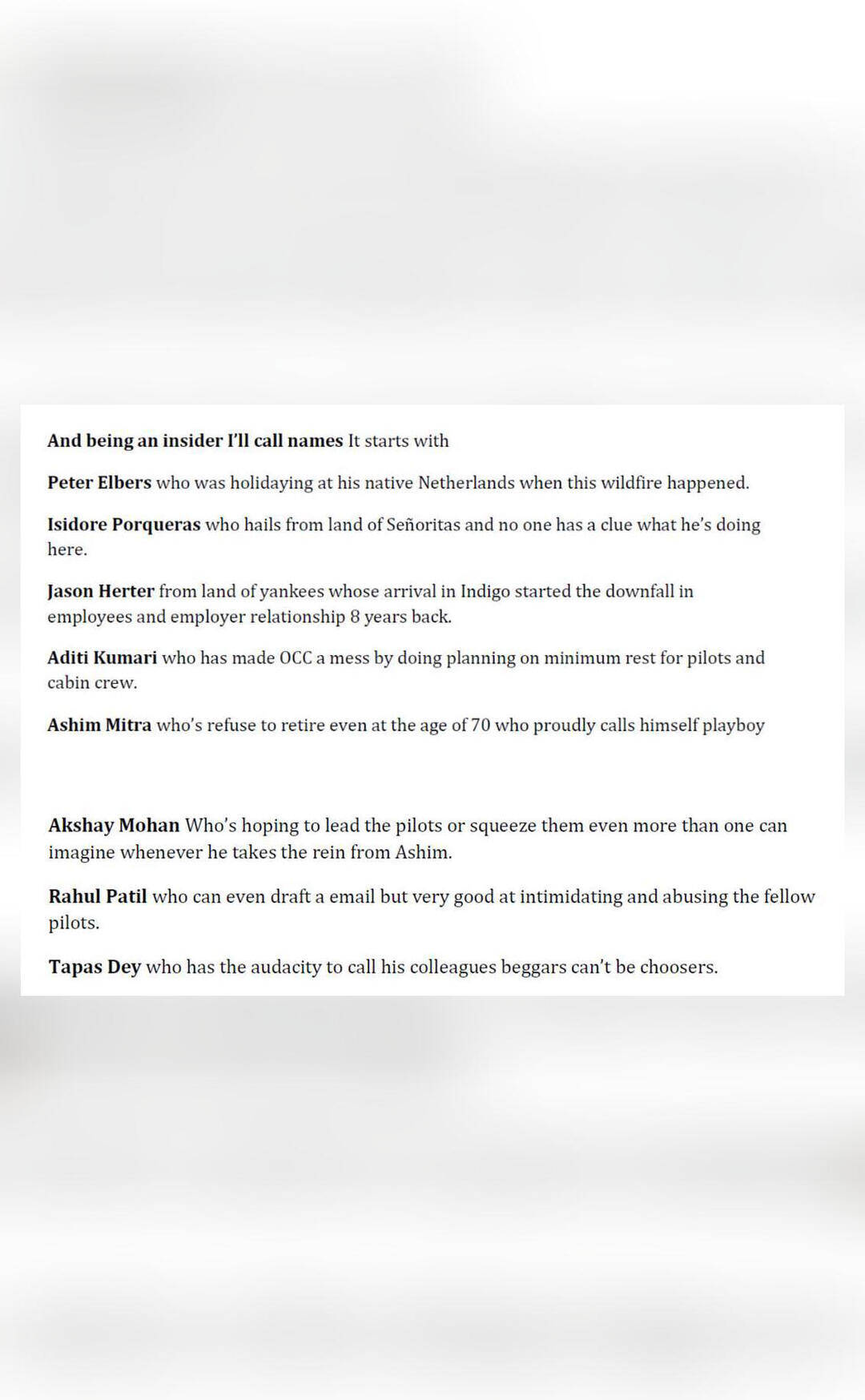
The Indian aviation industry has been abuzz with the recent turmoil surrounding IndiGo, one of the country’s largest airlines. In a shocking turn of events, a letter purportedly written by an employee of IndiGo has surfaced, naming eight officials, including the CEO, Pieter Elbers, for the alleged “downfall” of the airline. The letter, which has been widely circulated on social media, paints a grim picture of the airline’s internal workings and accuses the top brass of perpetuating a toxic culture that disregards employee well-being.
According to the letter, the airline’s management has been prioritizing profits over people, treating employees like they are expendable. The author of the letter, who claims to be an IndiGo employee, writes, “IndiGo will collapse if it continues treating its employees like they don’t matter.” This stark warning has sent shockwaves through the industry, with many questioning the airline’s leadership and its handling of employee relations.
The letter specifically names eight officials, including the CEO, as being responsible for the airline’s downward spiral. The author alleges that these individuals have been promoted to positions of power despite lacking the necessary skills and expertise. In a scathing critique, the letter states that people who can’t even draft an email have been made VPs by IndiGo. This raises serious questions about the airline’s hiring and promotion practices, and whether these appointments are based on merit or other factors.
The letter also highlights the issue of favoritism and nepotism within the airline, with the author claiming that certain individuals are given preferential treatment due to their connections with top management. This has created a sense of disillusionment among employees, who feel that their hard work and dedication are not recognized or valued. The author writes, “It’s all about who you know, not what you know.” This toxic culture has led to a breakdown in morale, with many employees feeling undervalued and unappreciated.
The allegations made in the letter are serious and have significant implications for the airline’s reputation and operations. If true, they suggest a systemic failure of leadership and a lack of accountability within the organization. The letter’s author claims that the airline’s management is more concerned with protecting its own interests than with addressing the concerns of its employees. This has created a sense of mistrust and resentment among staff, who feel that their voices are not being heard.
The letter’s criticism of the airline’s leadership is not limited to its treatment of employees. The author also alleges that the airline’s management has made several strategic blunders, including the mishandling of the airline’s expansion plans and the failure to invest in necessary infrastructure. These decisions, the author claims, have put the airline’s future at risk and have contributed to its current woes.
The surfacing of this letter has sparked a heated debate about the state of the Indian aviation industry and the treatment of employees within it. Many have expressed solidarity with the letter’s author, praising their courage in speaking out against the airline’s alleged wrongdoing. Others have questioned the authenticity of the letter, suggesting that it may be a fabrication or a publicity stunt.
Regardless of the letter’s authenticity, it has brought attention to the important issue of employee welfare in the aviation industry. The treatment of employees is a critical factor in determining an airline’s success, and neglecting their well-being can have serious consequences. As the letter’s author so eloquently puts it, “If you take care of your employees, they will take care of your customers.” This is a lesson that IndiGo and other airlines would do well to heed.
In conclusion, the letter purportedly written by an IndiGo employee has raised serious concerns about the airline’s leadership and its treatment of employees. The allegations made in the letter are disturbing and have significant implications for the airline’s reputation and operations. As the Indian aviation industry continues to grow and evolve, it is essential that airlines prioritize employee welfare and create a positive, supportive work environment. Anything less is unacceptable and can have serious consequences for the airline and its stakeholders.
About the Author