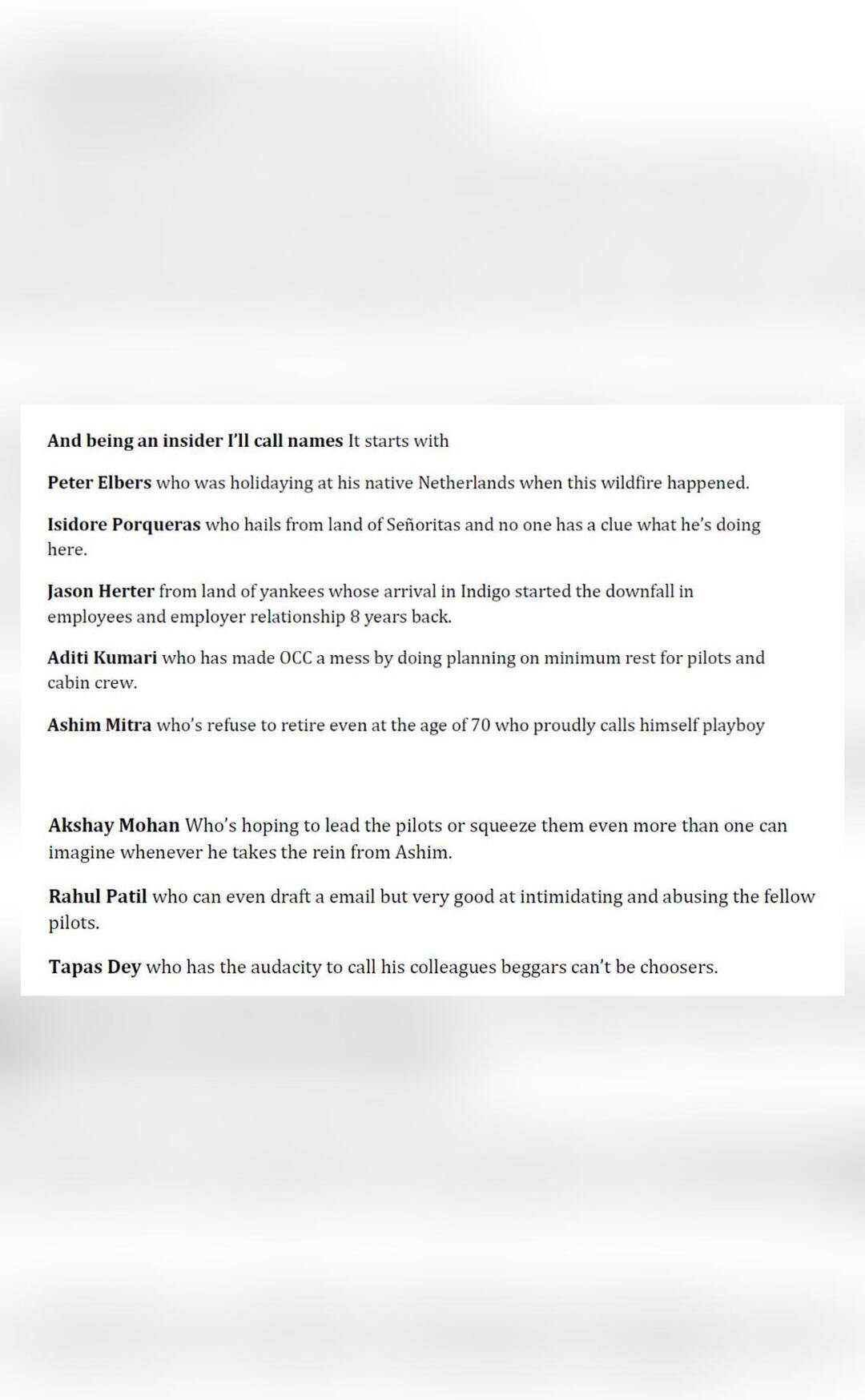
Letter purportedly written by IndiGo employee names 8 officials for downfall of airline
The Indian aviation industry has been abuzz with the recent developments at IndiGo, one of the country’s largest airlines. A letter purportedly written by an employee of IndiGo has sent shockwaves throughout the industry, naming eight officials, including the CEO, Pieter Elbers, for the “downfall” of the airline. The letter, which has been making rounds on social media and online forums, has sparked a heated debate about the work culture and management practices at IndiGo.
According to the letter, the employee has accused the top management of treating employees like they don’t matter, which has led to a toxic work environment. The letter reads, “IndiGo will collapse if it continues treating its employees like they don’t matter.” The employee has also alleged that people who lack basic skills, such as drafting an email, have been promoted to high-ranking positions, including Vice Presidents. This, the employee claims, has led to a lack of accountability and poor decision-making within the organization.
The letter names eight officials, including the CEO, Pieter Elbers, who have been accused of being responsible for the downfall of the airline. The other officials named in the letter include senior executives and department heads, who have been accused of perpetuating a toxic work culture and making decisions that are detrimental to the airline’s growth and success.
The allegations made in the letter are serious and have raised concerns about the management practices at IndiGo. The letter claims that the airline’s top management is out of touch with the reality on the ground and is more concerned with protecting their own interests rather than working for the benefit of the airline and its employees.
The letter has sparked a heated debate about the work culture and management practices at IndiGo, with many employees and former employees coming forward to share their own experiences of working at the airline. Some have corroborated the allegations made in the letter, while others have defended the airline and its management.
The developments at IndiGo have also raised concerns about the impact on the airline’s operations and customer service. With the airline facing increased competition from other low-cost carriers, the last thing it needs is a crisis of confidence among its employees and customers.
The letter has also raised questions about the role of the CEO, Pieter Elbers, and his leadership style. Elbers, who took over as CEO in 2022, has been accused of being autocratic and out of touch with the needs and concerns of the airline’s employees. The letter claims that Elbers has surrounded himself with yes-men and has created a culture of fear and intimidation within the organization.
The allegations made in the letter are not just limited to the top management but also extend to the airline’s HR practices. The letter claims that the airline’s HR department is ineffective and has failed to address the concerns and grievances of employees. The letter also alleges that the airline has a history of retaliating against employees who speak out against the management or report any wrongdoing.
The developments at IndiGo have also sparked a wider debate about the work culture and management practices in the Indian aviation industry. With many airlines facing similar challenges, including high employee turnover rates and poor customer service, the industry as a whole needs to take a hard look at its practices and policies.
In conclusion, the letter purportedly written by an IndiGo employee has raised serious concerns about the management practices and work culture at the airline. The allegations made in the letter are serious and need to be investigated thoroughly. The airline’s top management, including the CEO, Pieter Elbers, needs to take a hard look at the practices and policies that have led to this crisis of confidence among employees and customers. The Indian aviation industry as a whole needs to take a cue from this development and work towards creating a more positive and inclusive work culture that values its employees and prioritizes customer service.
About the Author