Leaders hail India’s 8.2% Q2 GDP growth as global milestone
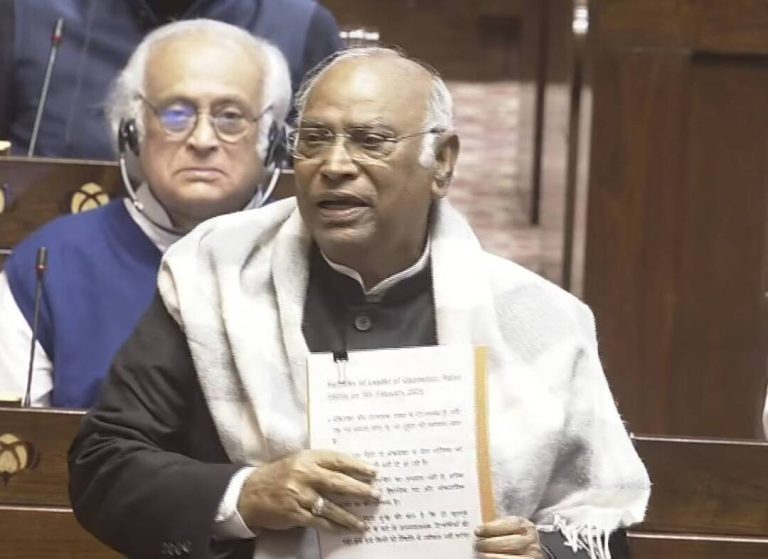
As India’s economic momentum strengthened further in the September quarter, with official data revealing that the real GDP grew 8.2 per cent in Q2 of FY 2025-26, political leaders on Saturday said the milestone reflects a remarkable achievement. They added that this positions India as a leading performer in the global economy. The impressive growth rate has sent shockwaves of excitement throughout the country, with many hailing it as a testament to the government’s effective policies and the resilience of the Indian economy.
The 8.2 per cent growth in the second quarter is a significant improvement from the 7.2 per cent growth recorded in the first quarter of the fiscal year. This surge in growth has been attributed to a combination of factors, including a robust performance by the manufacturing sector, a strong rebound in private consumption, and a substantial increase in government spending. The services sector, which accounts for a significant portion of India’s GDP, also witnessed a significant growth, driven by a pickup in activity in sectors such as finance, real estate, and construction.
The impressive growth rate has been hailed by leaders across the political spectrum, with many taking to social media to congratulate the government on this achievement. The leaders have attributed the growth to the government’s policies, including the implementation of the Goods and Services Tax (GST), the Insolvency and Bankruptcy Code (IBC), and the various initiatives undertaken to promote ease of doing business. They have also praised the Reserve Bank of India (RBI) for its effective monetary policy management, which has helped to keep inflation in check while promoting growth.
The 8.2 per cent growth rate is not only a remarkable achievement for India but also a significant milestone in the global economy. It positions India as one of the fastest-growing major economies in the world, outpacing many of its peers. The growth rate is also a testament to the country’s potential to become a leading economic powerhouse in the years to come. As the world’s fifth-largest economy, India is poised to play a significant role in shaping the global economic landscape, and this growth rate is a significant step in that direction.
The impact of this growth rate will be felt across various sectors of the economy, from manufacturing and services to agriculture and construction. The growth in the manufacturing sector is expected to lead to an increase in employment opportunities, which will have a positive impact on the overall economy. The growth in the services sector is also expected to lead to an increase in income levels, which will have a positive impact on consumer spending and economic growth.
The government has also announced various initiatives to promote economic growth, including investments in infrastructure, education, and healthcare. These initiatives are expected to have a positive impact on the economy in the long run, by promoting economic growth, reducing poverty, and improving living standards. The government has also taken steps to promote foreign investment, which is expected to play a significant role in driving economic growth in the years to come.
However, despite this impressive growth rate, there are still challenges that need to be addressed. The economy is still facing challenges such as high inflation, a large fiscal deficit, and a significant trade deficit. The government will need to take steps to address these challenges, including implementing policies to promote economic growth, reducing the fiscal deficit, and promoting foreign investment.
In conclusion, the 8.2 per cent growth rate in the second quarter is a significant achievement for India, and it positions the country as a leading performer in the global economy. The growth rate is a testament to the government’s effective policies and the resilience of the Indian economy. However, there are still challenges that need to be addressed, and the government will need to take steps to promote economic growth, reduce the fiscal deficit, and promote foreign investment.
As the country continues to grow and develop, it is essential to ensure that the benefits of growth are shared by all sections of society. The government will need to take steps to promote inclusive growth, including investments in education, healthcare, and social welfare programs. This will help to reduce poverty, improve living standards, and promote economic growth.
In the coming years, India is expected to continue to play a significant role in the global economy. The country’s large and growing market, its highly skilled workforce, and its favorable business environment make it an attractive destination for foreign investment. The government’s initiatives to promote ease of doing business, including the implementation of the GST and the IBC, are expected to promote economic growth and attract foreign investment.
As India continues to grow and develop, it is essential to ensure that the country’s economic growth is sustainable and environmentally friendly. The government will need to take steps to promote sustainable development, including investments in renewable energy, reducing greenhouse gas emissions, and promoting sustainable agriculture practices. This will help to ensure that India’s economic growth is not only rapid but also sustainable and environmentally friendly.
In the end, the 8.2 per cent growth rate in the second quarter is a significant achievement for India, and it positions the country as a leading performer in the global economy. The growth rate is a testament to the government’s effective policies and the resilience of the Indian economy. As the country continues to grow and develop, it is essential to ensure that the benefits of growth are shared by all sections of society, and that the country’s economic growth is sustainable and environmentally friendly.
About the Author