Khawaja Asif’s ‘Pak won’t need IMF in 6 months’ claim runs into a $10.6-bn wall: Report
In a recent statement, Khawaja Asif, a prominent Pakistani politician, claimed that Pakistan will not need the International Monetary Fund (IMF) in six months to save it from economic collapse. However, this claim has run into a significant obstacle, with a staggering $10.6 billion wall standing in the way. According to a report by Moneycontrol, Pakistan’s economic situation is more dire than Asif’s statement suggests, and the country’s ability to pay off its debts, particularly to the IMF, is a major concern.
Pakistan has been facing significant economic challenges in recent years, with a large trade deficit, dwindling foreign exchange reserves, and a growing debt burden. The country has been relying heavily on the IMF to help stabilize its economy, with a $6 billion bailout package agreed upon in 2019. However, with the country’s economic situation showing no signs of improvement, the IMF has been pushing Pakistan to implement structural reforms to address its underlying economic issues.
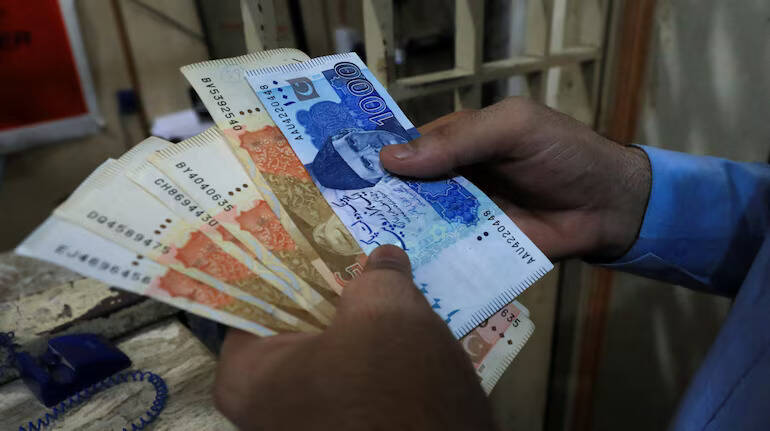
Despite these challenges, Pakistan has managed to secure significant defence deals in recent months, including a major deal with a foreign country linked to the Operation Sindoor propaganda campaign. While these deals are worth billions of dollars, they are unlikely to be enough to single-handedly save Pakistan from economic ruin. The country’s debt obligations, particularly to the IMF, are a major concern, with Pakistan owing a staggering $10.6 billion to the international lender.
The IMF has been working with Pakistan to help the country implement economic reforms and stabilize its economy. However, the process has been slow, and the country’s progress has been hindered by a lack of political will and a failure to address its underlying economic issues. The IMF has been pushing Pakistan to increase its tax revenues, reduce its energy subsidies, and implement other structural reforms to help stabilize its economy.
Despite these efforts, Pakistan’s economic situation remains precarious, and the country’s ability to pay off its debts is a major concern. The $10.6 billion owed to the IMF is just one part of the country’s overall debt burden, which stands at over $100 billion. The country’s foreign exchange reserves are also dwindling, with the State Bank of Pakistan reporting that its reserves had fallen to just $7.3 billion in recent months.
The implications of Pakistan’s economic situation are far-reaching, with the country’s citizens facing significant challenges in their daily lives. The economy is struggling, with high inflation, low growth, and a lack of job opportunities. The country’s infrastructure is also in disrepair, with frequent power outages, poor roads, and a lack of access to basic services such as healthcare and education.
In this context, Khawaja Asif’s claim that Pakistan will not need the IMF in six months seems overly optimistic. While the country has made some progress in recent months, including securing significant defence deals, its economic situation remains dire. The $10.6 billion wall standing in the way of Asif’s claim is a significant obstacle, and one that will require significant effort and political will to overcome.
To address its economic challenges, Pakistan will need to implement significant reforms, including increasing its tax revenues, reducing its energy subsidies, and promoting private sector growth. The country will also need to work closely with the IMF and other international lenders to help stabilize its economy and pay off its debts.
In conclusion, Khawaja Asif’s claim that Pakistan will not need the IMF in six months is unlikely to come to fruition. The country’s economic situation is more dire than Asif’s statement suggests, and the $10.6 billion wall standing in the way of his claim is a significant obstacle. To address its economic challenges, Pakistan will need to implement significant reforms and work closely with the IMF and other international lenders. Only time will tell if the country is able to overcome its economic challenges and achieve stability.
About the Author