Khawaja Asif’s ‘Pak won’t need IMF in 6 months’ claim runs into a $10.6-bn wall: Report
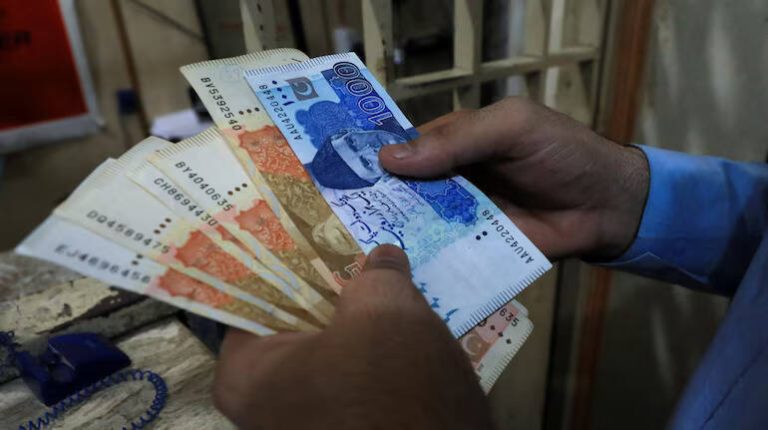
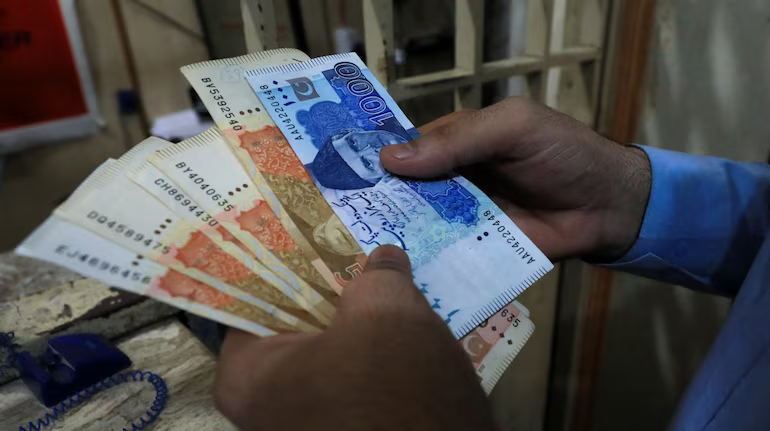
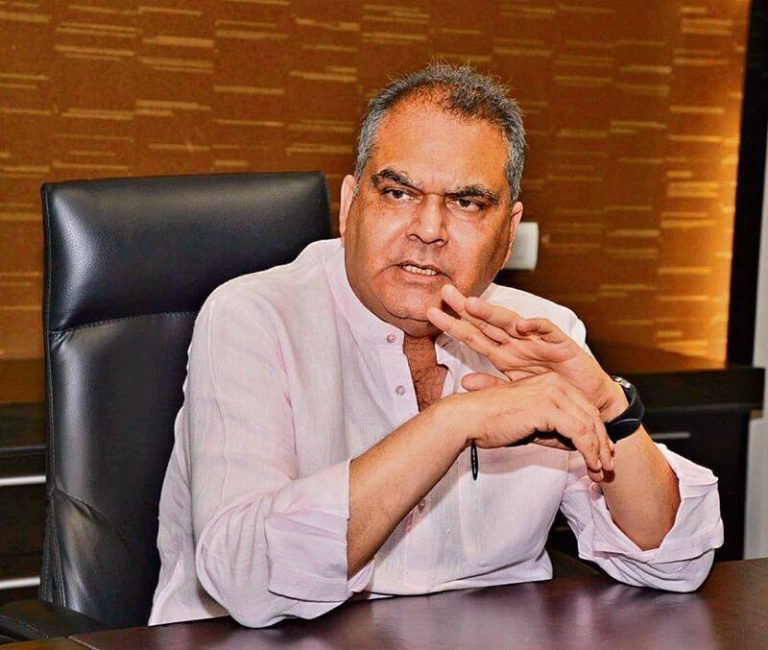
In a recent statement, Khawaja Asif, a prominent Pakistani politician, claimed that Pakistan would not need the International Monetary Fund (IMF) in six months to save it from economic collapse. However, this claim has hit a roadblock, quite literally, in the form of a $10.6 billion wall. According to a report by Moneycontrol, Pakistan’s economic woes are far from over, and the country’s defence deals, although substantial, are not enough to single-handedly save it from economic ruin.
The report highlights that Pakistan has managed to convert its Operation Sindoor-linked propaganda into defence deals worth billions. This is a significant achievement, no doubt, but it is not enough to offset the country’s massive debt, which includes a staggering $10.6 billion owed to the IMF alone. This debt, coupled with the country’s struggling economy, makes it highly unlikely that Pakistan will be able to do without the IMF’s support in the near future.
Khawaja Asif’s claim, therefore, seems overly optimistic, if not downright unrealistic. The report suggests that Pakistan’s economic situation is far more complex and precarious than the politician’s statement would have us believe. The country’s economy is facing numerous challenges, including a large trade deficit, a dwindling foreign exchange reserve, and a heavy debt burden. These challenges cannot be overcome simply by securing defence deals, no matter how lucrative they may be.
In fact, the report notes that Pakistan’s defence deals, while significant, are not a panacea for the country’s economic ills. The deals may provide a temporary boost to the economy, but they are not a sustainable solution to the country’s deep-seated economic problems. To truly address these problems, Pakistan will need to implement far-reaching economic reforms, including measures to increase revenue, reduce expenditure, and promote economic growth.
Furthermore, the report highlights the risks of Pakistan’s over-reliance on the IMF. The country has a long history of borrowing from the IMF, and this has created a culture of dependency that is difficult to break. The IMF’s support is essential for Pakistan’s economic survival, but it is not a substitute for sound economic management. Pakistan needs to take ownership of its economic problems and implement reforms that will enable it to stand on its own feet, rather than relying on external support.
In conclusion, Khawaja Asif’s claim that Pakistan won’t need the IMF in six months is unlikely to materialize. The country’s economic challenges are too great, and its debt burden too heavy, for it to do without the IMF’s support. The report by Moneycontrol provides a sobering assessment of Pakistan’s economic situation, highlighting the need for far-reaching reforms and a more sustainable approach to economic management. As the country navigates its economic challenges, it is essential that policymakers take a realistic and nuanced view of the situation, rather than relying on overly optimistic claims or quick fixes.
About the Author