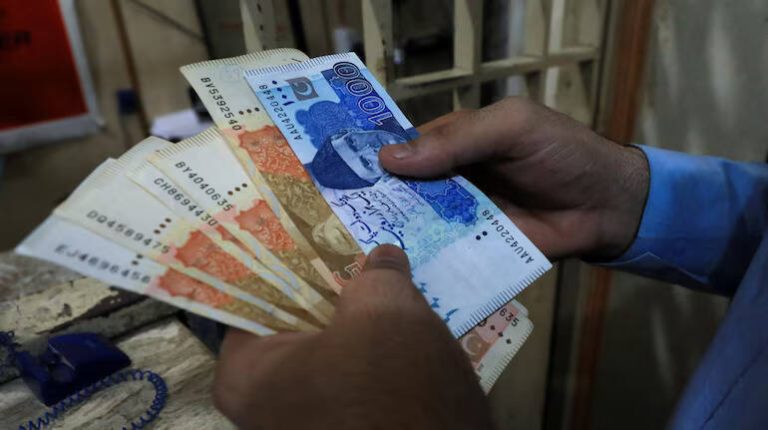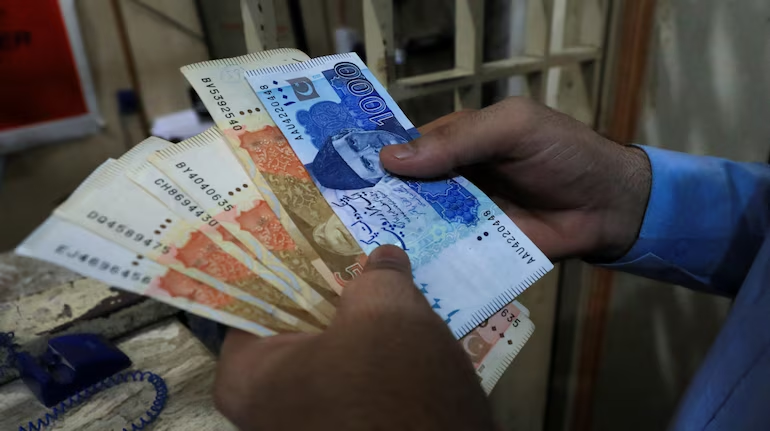
Khawaja Asif’s ‘Pak won’t need IMF in 6 months’ claim runs into a $10.6-bn wall: Report
Pakistan’s Defence Minister Khawaja Asif has been making headlines with his bold claim that the country will not need the International Monetary Fund (IMF) in six months to save it from economic collapse. However, this claim has run into a significant obstacle, worth $10.6 billion, according to a report by Moneycontrol. The report highlights the stark reality of Pakistan’s economic situation, which is far from stable, and the challenges that the country faces in meeting its financial obligations.
Asif’s claim was seen as an attempt to reassure the nation that Pakistan is on the path to economic recovery and will soon be able to manage its finances without the need for external assistance. However, the reality on the ground tells a different story. Pakistan’s economy is struggling to stay afloat, and the country is facing significant challenges in meeting its debt obligations. The report by Moneycontrol reveals that Pakistan owes a staggering $10.6 billion to the IMF alone, which is a significant hurdle that the country needs to overcome.
Despite Asif’s claims, Pakistan’s economic situation is far from stable. The country is facing a severe economic crisis, with high inflation, a large trade deficit, and a significant decline in foreign exchange reserves. The economic crisis has been exacerbated by the COVID-19 pandemic, which has had a devastating impact on the country’s economy. The pandemic has disrupted supply chains, led to a decline in exports, and resulted in a significant increase in imports, which has further widened the trade deficit.
One of the key factors that has contributed to Pakistan’s economic crisis is its inability to manage its debt. The country has a significant debt burden, which includes both domestic and external debt. The external debt includes loans from international organizations such as the IMF, as well as bilateral loans from countries such as China. The debt burden has become unsustainable, and the country is struggling to meet its debt obligations.
In an attempt to manage its debt, Pakistan has been seeking assistance from international organizations such as the IMF. The IMF has provided Pakistan with financial assistance in the past, but the country has struggled to meet the conditions attached to these loans. The conditions include implementing economic reforms, such as increasing taxes, reducing subsidies, and improving governance. However, Pakistan has struggled to implement these reforms, which has made it difficult for the country to access IMF funds.
Despite the challenges, Pakistan has managed to secure some defence deals worth billions of dollars. The deals include the purchase of military equipment and technology from countries such as China and the United States. The deals are seen as a significant achievement for Pakistan, which has been trying to modernize its military and improve its defence capabilities. However, the deals are not enough to save Pakistan from economic ruin.
The defence deals are not a substitute for economic reforms, and the country needs to implement significant changes to its economy to achieve stability. The reforms include increasing taxes, reducing subsidies, and improving governance. The country also needs to invest in human capital, such as education and healthcare, to improve its competitiveness and attract foreign investment.
In conclusion, Khawaja Asif’s claim that Pakistan will not need the IMF in six months is overly optimistic and does not reflect the reality on the ground. The country faces significant economic challenges, including a large debt burden, high inflation, and a significant trade deficit. While the defence deals are a significant achievement, they are not enough to save Pakistan from economic ruin. The country needs to implement significant economic reforms to achieve stability and attract foreign investment.
The report by Moneycontrol highlights the challenges that Pakistan faces in meeting its financial obligations. The country owes $10.6 billion to the IMF alone, which is a significant hurdle that needs to be overcome. The report also highlights the need for Pakistan to implement economic reforms to achieve stability and attract foreign investment.
In order to achieve economic stability, Pakistan needs to take a number of steps. Firstly, the country needs to implement significant economic reforms, such as increasing taxes, reducing subsidies, and improving governance. The country also needs to invest in human capital, such as education and healthcare, to improve its competitiveness and attract foreign investment. Additionally, Pakistan needs to reduce its debt burden, which includes both domestic and external debt.
Overall, Pakistan’s economic situation is complex and challenging. The country faces significant obstacles, including a large debt burden, high inflation, and a significant trade deficit. However, with the right policies and reforms, Pakistan can achieve economic stability and attract foreign investment. The country needs to take a number of steps, including implementing economic reforms, investing in human capital, and reducing its debt burden.
About the Author