Khawaja Asif’s ‘Pak won’t need IMF in 6 months’ claim runs into a $10.6-bn wall: Report
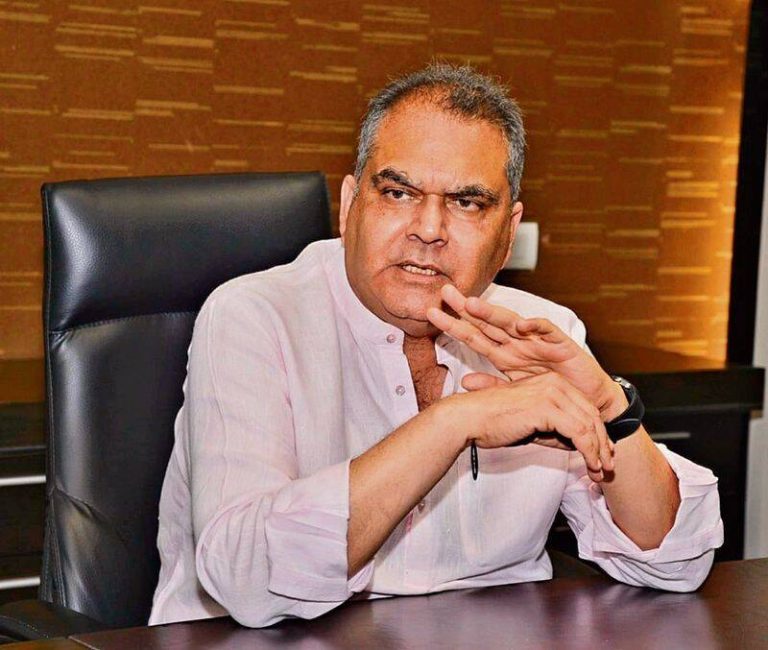
In a recent statement, Khawaja Asif, a prominent Pakistani leader, claimed that Pakistan would not require the assistance of the International Monetary Fund (IMF) within the next six months to prevent economic collapse. However, this assertion has been met with skepticism, as it has been reported that Pakistan owes a staggering $10.6 billion to the IMF alone. This massive debt has raised questions about the feasibility of Pakistan’s ability to recover from its economic woes without external support.
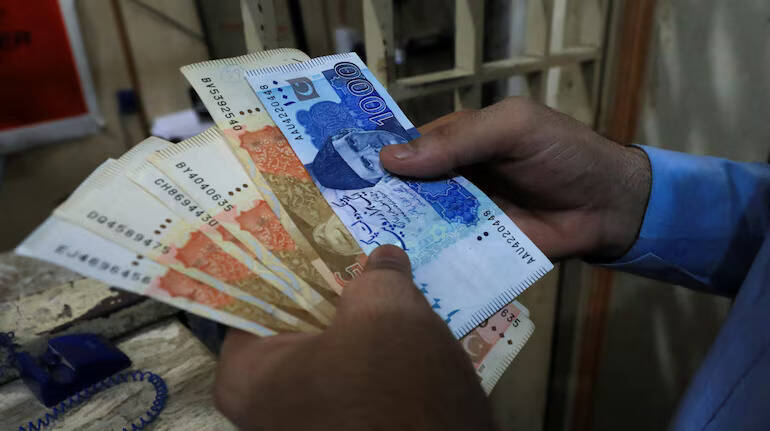
According to a report by Moneycontrol, Pakistan has been successful in converting its Operation Sindoor-linked propaganda into defense deals worth billions. However, these deals will not be sufficient to single-handedly save Pakistan from economic ruin. The country’s economy has been facing significant challenges, including a large trade deficit, dwindling foreign exchange reserves, and a substantial debt burden. The $10.6 billion owed to the IMF is a significant portion of Pakistan’s overall debt, and it is unclear how the country plans to repay this amount without seeking further assistance.
Khawaja Asif’s claim that Pakistan will not need IMF support in six months has been viewed with skepticism by many experts. They argue that the country’s economic situation is more complex and deeply entrenched, requiring a more comprehensive and sustainable solution. The IMF has been providing financial assistance to Pakistan for several years, and the country has been implementing various economic reforms as a condition of these loans. However, the pace of progress has been slow, and the country’s economic challenges persist.
One of the primary concerns is Pakistan’s large trade deficit, which has been fueled by a surge in imports and a decline in exports. The country’s foreign exchange reserves have been dwindling, making it difficult to meet its external debt obligations. The IMF has been providing support to help Pakistan stabilize its economy and implement reforms to improve its trade balance and increase its foreign exchange reserves.
In addition to its debt to the IMF, Pakistan also owes significant amounts to other international creditors, including the World Bank and the Asian Development Bank. The country’s overall debt burden is substantial, and it is unclear how it plans to manage its debt repayments without seeking further assistance.
The report by Moneycontrol highlights the challenges facing Pakistan’s economy and the difficulties the country will face in recovering from its economic woes without external support. While the defense deals worth billions may provide some temporary relief, they are not a long-term solution to the country’s economic problems. The $10.6 billion owed to the IMF is a significant obstacle that must be addressed, and it is unclear how Pakistan plans to overcome this hurdle.
In conclusion, Khawaja Asif’s claim that Pakistan will not need IMF support in six months is overly optimistic and does not take into account the country’s significant debt burden and economic challenges. The $10.6 billion owed to the IMF is a substantial obstacle that must be addressed, and it is unclear how Pakistan plans to repay this amount without seeking further assistance. The country’s economic situation is complex and deeply entrenched, requiring a more comprehensive and sustainable solution. While the defense deals worth billions may provide some temporary relief, they are not a long-term solution to the country’s economic problems.
As the situation continues to unfold, it will be interesting to see how Pakistan plans to address its economic challenges and manage its debt repayments. The country’s ability to recover from its economic woes without external support is uncertain, and it is likely that the IMF and other international creditors will continue to play a significant role in providing financial assistance and guidance.
About the Author