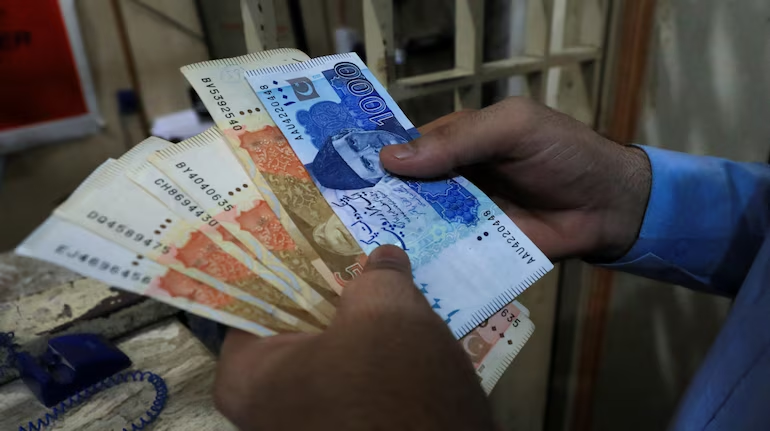
Khawaja Asif’s ‘Pak won’t need IMF in 6 months’ claim runs into a $10.6-bn wall: Report
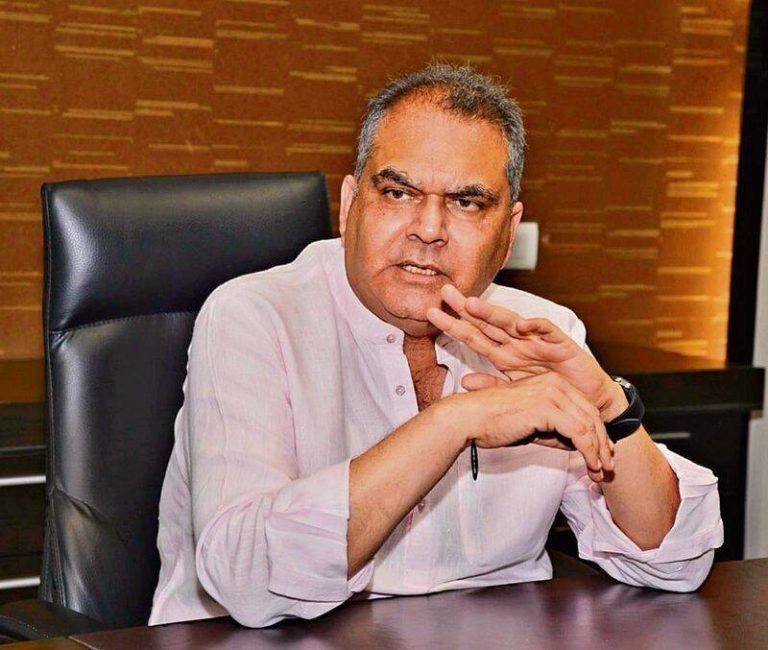
In a recent statement, Khawaja Asif, a prominent Pakistani politician, claimed that Pakistan will not need the International Monetary Fund (IMF) in six months to save it from economic collapse. However, this claim has been met with skepticism, and a recent report by Moneycontrol has revealed that Pakistan’s economic woes are far more deep-seated than Asif’s statement suggests. In fact, the country’s economic situation is so dire that it has run into a wall worth $10.6 billion, courtesy of its outstanding debt to the IMF.
According to the report, Pakistan’s economic struggles are well-documented, and the country has been struggling to stay afloat amidst a severe economic crisis. The country’s foreign exchange reserves have been dwindling, and its trade deficit has been widening, making it increasingly difficult for Pakistan to meet its financial obligations. In this context, Asif’s claim that Pakistan will not need the IMF in six months seems overly optimistic, if not downright misleading.
One of the key factors that has contributed to Pakistan’s economic struggles is its inability to generate sufficient revenue to meet its expenses. The country’s tax-to-GDP ratio is one of the lowest in the world, and its economy is heavily reliant on foreign aid and loans to stay afloat. The IMF has been a key player in providing financial assistance to Pakistan, but the country’s failure to implement meaningful economic reforms has made it difficult for the IMF to continue providing support.
Despite these challenges, Pakistan has managed to secure several defense deals worth billions of dollars in recent months. The country’s Operation Sindoor-linked propaganda has been successful in convincing several countries to invest in its defense sector, and these deals are expected to provide a much-needed boost to Pakistan’s economy. However, as the report notes, these deals will not be enough to single-handedly save Pakistan from economic ruin.
The reason for this is simple: Pakistan owes a staggering $10.6 billion to the IMF alone. This debt is a significant burden on the country’s economy, and it will require a concerted effort to pay it back. The IMF has been providing financial assistance to Pakistan for several years now, but the country’s failure to implement meaningful economic reforms has made it difficult for the IMF to continue providing support.
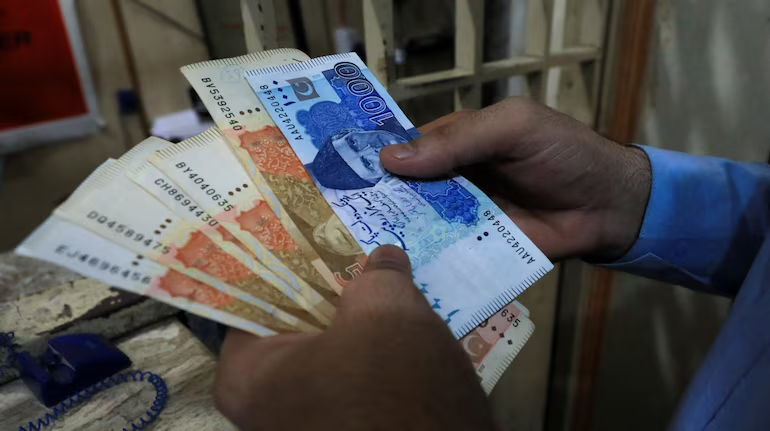
In addition to its debt to the IMF, Pakistan also faces several other economic challenges. The country’s trade deficit is widening, and its foreign exchange reserves are dwindling. The Pakistani rupee has been under significant pressure in recent months, and the country’s economy is heavily reliant on foreign aid and loans to stay afloat. In this context, Asif’s claim that Pakistan will not need the IMF in six months seems increasingly unlikely.
So, what can Pakistan do to address its economic challenges? The answer is simple: the country needs to implement meaningful economic reforms to reduce its reliance on foreign aid and loans. This will require a concerted effort to increase tax revenue, reduce corruption, and promote economic growth. The country also needs to take steps to reduce its trade deficit and increase its foreign exchange reserves.
In conclusion, Khawaja Asif’s claim that Pakistan will not need the IMF in six months is unlikely to materialize. The country’s economic challenges are far more deep-seated than Asif’s statement suggests, and it will require a concerted effort to address them. Pakistan’s debt to the IMF is a significant burden on the country’s economy, and it will require a meaningful effort to pay it back. The country’s defense deals may provide a temporary boost to the economy, but they will not be enough to save Pakistan from economic ruin. Only time will tell if Pakistan is able to overcome its economic challenges and achieve economic stability.
About the Author