Khawaja Asif’s ‘Pak won’t need IMF in 6 months’ claim runs into a $10.6-bn wall: Report
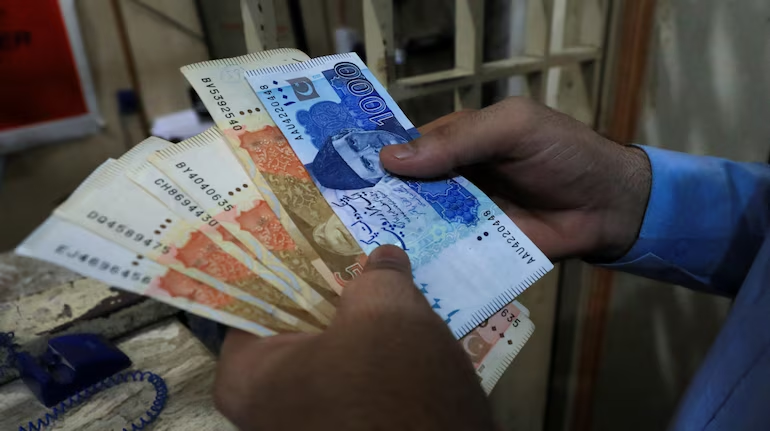
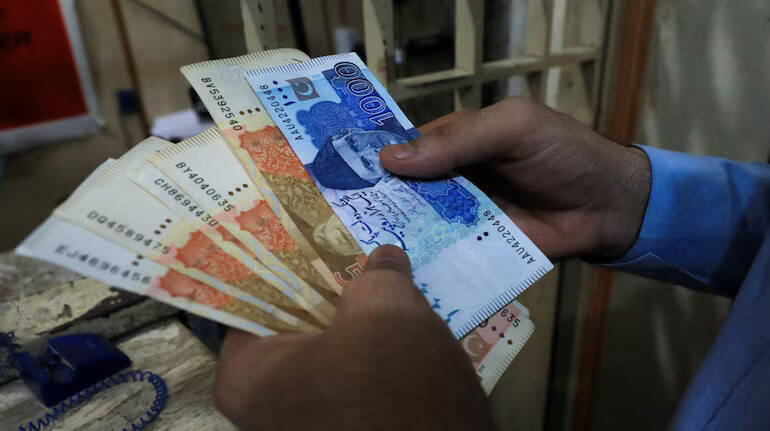
In a recent statement, Khawaja Asif, a prominent Pakistani politician, made a bold claim that Pakistan will not need the International Monetary Fund (IMF) in six months to save it from economic collapse. However, this claim has been met with skepticism, and a recent report by Moneycontrol has highlighted the significant hurdle that Pakistan needs to overcome to achieve this goal. The report states that Pakistan’s claim of not needing the IMF in six months has run into a wall worth $10.6 billion, which is the amount the country owes to the IMF alone.
The Pakistani government has been trying to project a positive image of its economy, with claims of significant economic growth and development. However, the reality on the ground tells a different story. The country is facing a severe economic crisis, with a large trade deficit, dwindling foreign exchange reserves, and a massive debt burden. The IMF has been providing financial assistance to Pakistan to help it stabilize its economy, but the country’s progress in implementing the required economic reforms has been slow.
One of the key areas where Pakistan has been successful is in converting its propaganda into defence deals worth billions. The country has been able to secure significant defence contracts, including the Operation Sindoor-linked propaganda, which has been used to promote Pakistan’s military capabilities. However, while these deals are important for Pakistan’s defence sector, they are not enough to single-handedly save the country from economic ruin.
The main reason for this is the massive debt burden that Pakistan owes to the IMF. The country has been relying on IMF loans to finance its economic activities, but the debt has been piling up, and the interest payments are becoming increasingly difficult to manage. The $10.6 billion that Pakistan owes to the IMF is a significant amount, and it will be challenging for the country to pay it back without seeking further assistance from the Fund.
Moreover, Pakistan’s economic problems are not limited to its debt burden. The country is also facing a severe balance of payments crisis, with a large trade deficit and dwindling foreign exchange reserves. The government has been trying to address these issues by implementing policies to increase exports and reduce imports, but the progress has been slow. The country’s economy is also facing challenges from the COVID-19 pandemic, which has disrupted global trade and economic activity.
In this context, Khawaja Asif’s claim that Pakistan will not need the IMF in six months seems overly optimistic. While the country has made some progress in securing defence deals, it is unlikely that these deals alone will be enough to save the country from economic collapse. The government needs to take more comprehensive and structural reforms to address the underlying economic issues, including the debt burden, trade deficit, and balance of payments crisis.
Furthermore, the IMF has been pressing Pakistan to implement significant economic reforms, including increasing taxes, reducing subsidies, and improving the business environment. However, the government has been reluctant to implement these reforms, which has slowed down the pace of economic progress. The IMF has also been critical of Pakistan’s lack of progress in addressing corruption and improving governance, which are essential for attracting foreign investment and promoting economic growth.
In conclusion, Khawaja Asif’s claim that Pakistan will not need the IMF in six months is unlikely to materialize. The country faces significant economic challenges, including a massive debt burden, trade deficit, and balance of payments crisis. While Pakistan has been successful in securing defence deals, these deals alone are not enough to save the country from economic ruin. The government needs to take more comprehensive and structural reforms to address the underlying economic issues and implement the required economic reforms to stabilize the economy.
The report by Moneycontrol highlights the significant hurdles that Pakistan needs to overcome to achieve economic stability. The country’s economic problems are complex and deeply entrenched, and it will require a sustained effort to address them. The government needs to take a more proactive approach to implementing economic reforms, addressing corruption, and improving governance to attract foreign investment and promote economic growth.
As the Pakistani government continues to grapple with the country’s economic challenges, it is essential to have a realistic understanding of the problems and the solutions. Khawaja Asif’s claim that Pakistan will not need the IMF in six months is overly optimistic and ignores the significant hurdles that the country needs to overcome. The government needs to take a more nuanced and comprehensive approach to addressing the economic challenges, and the report by Moneycontrol provides a timely reminder of the significant work that needs to be done.
About the Author