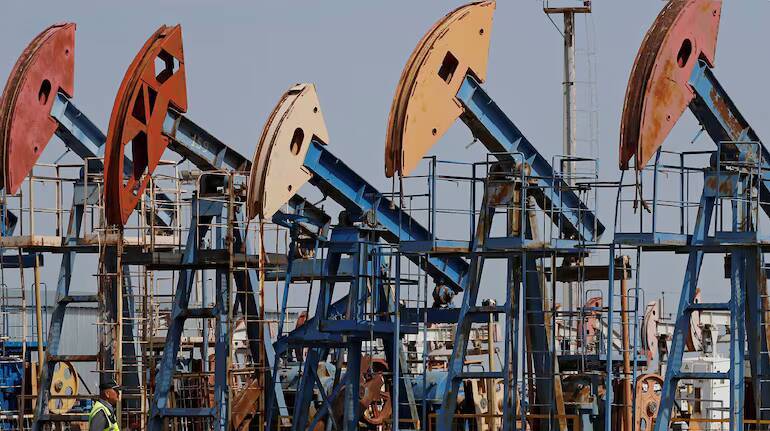
India’s oil industry seeks lower GST rates in upcoming Budget
As the Indian government prepares to present the upcoming Budget for 2026-27, the oil and gas industry is pinning its hopes on the inclusion of crude oil and natural gas under the Goods and Services Tax (GST) framework at a lower rate of 5%. This move is expected to improve the ease of doing business in the sector and provide a much-needed boost to the industry.
According to industry experts, the inclusion of petroleum products under the GST framework is long overdue. Currently, crude oil, natural gas, and other petroleum products are exempt from GST, but this has led to a complex system of taxation, with multiple taxes and cesses being levied on these products. The industry is hopeful that the government will take a positive step in this regard and include these products under the GST framework at a lower rate.
“We remain hopeful of the inclusion of petroleum within the GST framework,” said Kapil Garg, Founder of Oilmax Energy. This sentiment is echoed by other industry players, who believe that the inclusion of petroleum products under GST will simplify the tax structure and reduce the compliance burden on companies operating in the sector.
The industry is seeking the inclusion of crude oil and natural gas under the 5% GST slab, which is the lowest rate under the GST framework. This rate is currently applicable to essential items such as food, medicines, and textiles. The industry believes that the inclusion of petroleum products under this slab will help reduce the cost of production and make Indian products more competitive in the global market.
Another key demand of the industry is compensation for the under-recoveries made on LPG sales. The government had earlier subsidized the sale of LPG to households, which resulted in significant under-recoveries for oil marketing companies. The industry is seeking compensation for these under-recoveries, which is expected to be around Rs 10,000 crore.
“The industry may seek compensation for the under-recoveries made on LPG sales,” said an executive from ICRA, a leading credit rating agency. This compensation will help oil marketing companies to offset their losses and improve their financial health.
The inclusion of petroleum products under the GST framework is expected to have a positive impact on the economy. It will help reduce the tax burden on companies operating in the sector, which in turn will lead to lower prices for consumers. Additionally, it will help simplify the tax structure and reduce the compliance burden on companies, which will lead to improved ease of doing business in the sector.
The government is expected to present the Budget for 2026-27 in the coming weeks, and the industry is hopeful that the government will take a positive step in this regard. The inclusion of petroleum products under the GST framework at a lower rate of 5% is expected to be a key demand of the industry, and it remains to be seen whether the government will accede to this demand.
In conclusion, the Indian oil and gas industry is seeking the inclusion of crude oil and natural gas under the GST framework at a lower rate of 5% in the upcoming Budget. The industry is also seeking compensation for the under-recoveries made on LPG sales. The inclusion of petroleum products under the GST framework is expected to have a positive impact on the economy, and the industry is hopeful that the government will take a positive step in this regard.
The upcoming Budget is expected to be a crucial one for the industry, and it remains to be seen whether the government will meet the industry’s demands. However, one thing is certain – the inclusion of petroleum products under the GST framework is long overdue, and it is time for the government to take a positive step in this regard.
As the industry waits with bated breath for the Budget, one thing is clear – the inclusion of petroleum products under the GST framework at a lower rate of 5% is a key demand of the industry, and it is expected to have a positive impact on the economy. The government must take a positive step in this regard and include petroleum products under the GST framework to improve the ease of doing business in the sector.
In the end, it is hoped that the government will take a positive step in this regard and include petroleum products under the GST framework at a lower rate of 5%. This will help simplify the tax structure, reduce the compliance burden on companies, and improve the ease of doing business in the sector. The industry is hopeful that the government will meet its demands, and it remains to be seen whether the government will take a positive step in this regard.
About the Author