India’s oil industry seeks lower GST rates in upcoming Budget
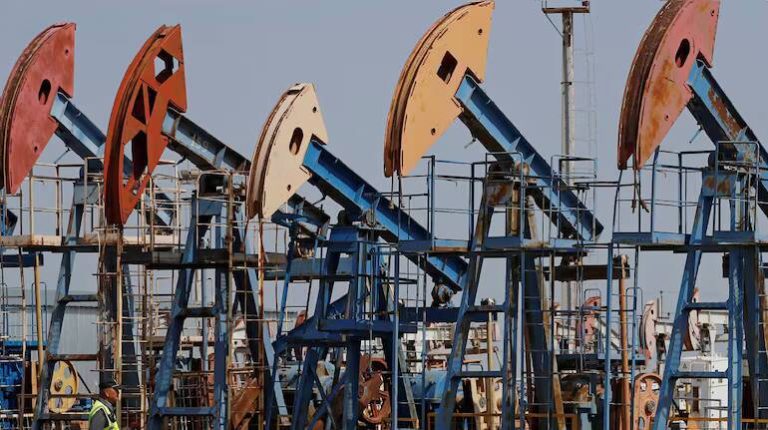
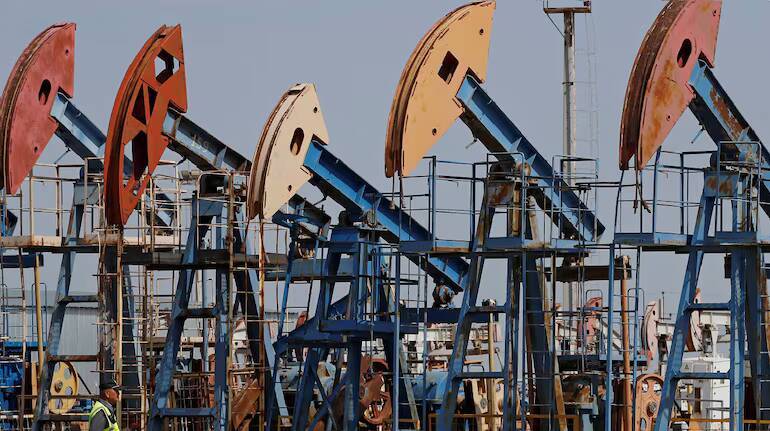
The Indian oil and gas industry is pinning its hopes on the upcoming Budget 2026-27, seeking the inclusion of crude oil and natural gas under the Goods and Services Tax (GST) framework at a lower rate of 5%. This move is expected to improve the ease of doing business in the sector, which has been facing numerous challenges in recent years. The industry leaders are optimistic about the government’s decision, and some have even expressed their hopes about the inclusion of petroleum products within the GST framework.
According to Kapil Garg, Founder of Oilmax Energy, “We remain hopeful of the inclusion of petroleum within the GST framework.” This sentiment is shared by many in the industry, who believe that the inclusion of crude oil and natural gas under GST would simplify the tax structure and reduce the compliance burden on businesses. The current tax regime for petroleum products is complex, with multiple taxes levied by the central and state governments. The inclusion of these products under GST would help to streamline the tax structure and make it more efficient.
The industry is also seeking compensation for the under-recoveries made on LPG sales. As per an ICRA executive, the industry may seek compensation for the losses incurred due to the sale of LPG at subsidized rates. The government has been providing subsidies on LPG to help low-income households, but this has resulted in significant under-recoveries for the oil marketing companies. The industry is hoping that the government will provide some relief in the form of compensation or subsidies to offset these losses.
The inclusion of crude oil and natural gas under GST is expected to have a positive impact on the industry. It would help to reduce the tax burden on businesses, making them more competitive in the global market. The current tax regime for petroleum products is one of the highest in the world, making it difficult for Indian companies to compete with their international counterparts. The reduction in tax rates would help to level the playing field and make Indian companies more competitive.
Moreover, the inclusion of crude oil and natural gas under GST would also help to increase the government’s revenue. The current tax regime for petroleum products is complex, with multiple taxes levied by the central and state governments. This has resulted in significant revenue losses for the government due to tax evasion and other malpractices. The inclusion of these products under GST would help to reduce tax evasion and increase the government’s revenue.
The oil and gas industry is a significant contributor to India’s economy, accounting for a substantial portion of the country’s GDP. The industry provides employment to millions of people, both directly and indirectly, and is a major source of revenue for the government. However, the industry has been facing numerous challenges in recent years, including the decline in global oil prices, the increase in competition from renewable energy sources, and the complex tax regime.
The government has taken several steps to support the industry, including the introduction of the Hydrocarbon Exploration and Licensing Policy (HELP) and the Discovered Small Field (DSF) policy. These policies aim to increase the exploration and production of hydrocarbons in the country, and to provide a more favorable business environment for the industry. However, more needs to be done to support the industry, and the inclusion of crude oil and natural gas under GST is a key step in this direction.
In conclusion, the Indian oil and gas industry is seeking the inclusion of crude oil and natural gas under the GST framework at a lower rate of 5% in the upcoming Budget 2026-27. This move is expected to improve the ease of doing business in the sector, reduce the tax burden on businesses, and increase the government’s revenue. The industry is also seeking compensation for the under-recoveries made on LPG sales, which would help to offset the losses incurred by the oil marketing companies. The government’s decision on this matter would have a significant impact on the industry, and it remains to be seen whether the government will accede to the industry’s demands.
About the Author