India opposes Mexico’s 50% tariffs on exports: Report
In a significant development, the Indian government has expressed strong opposition to Mexico’s recent announcement of imposing up to 50% tariffs on Indian exports. According to a report by Republic, the Centre has conveyed its objections to the Mexican government, stating that such a move may prompt India to take “appropriate measures” to protect the interests of its exporters. The Centre has also emphasized its commitment to continuing diplomatic efforts to reverse the decision, which it believes is not in line with the “spirit of cooperative economic engagement” between the two nations.
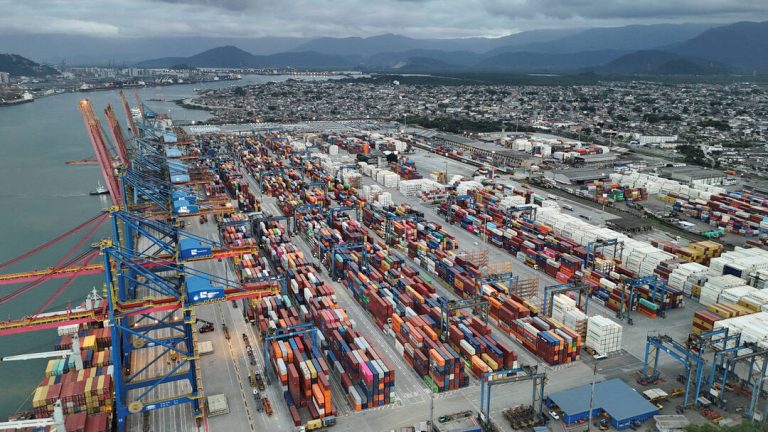
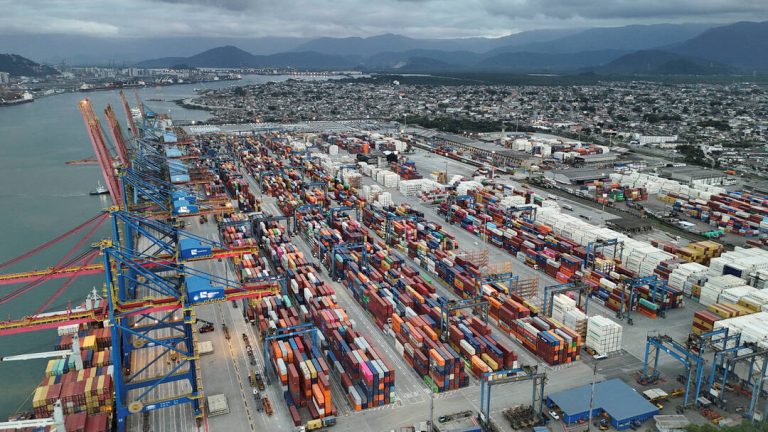
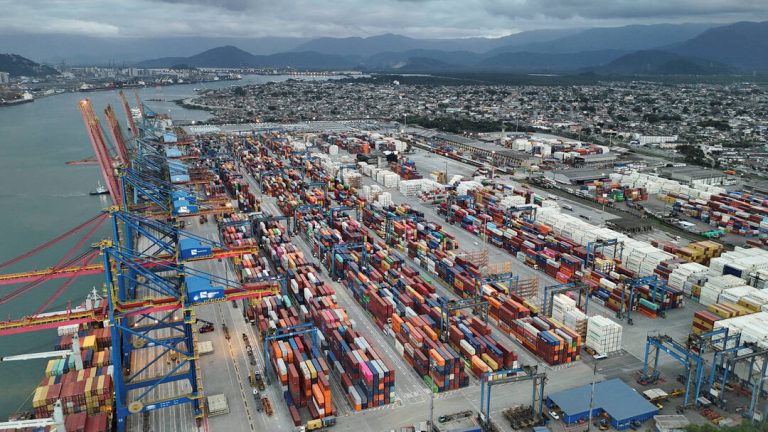
The Mexican government’s decision to impose tariffs on Indian exports is expected to affect a wide range of products, with approximately 1,400 items likely to be impacted. This move has raised concerns among Indian exporters, who fear that the tariffs will significantly increase the cost of their products in the Mexican market, making them less competitive. The Indian government’s swift response to the situation underscores its commitment to safeguarding the interests of its exporters and ensuring that they are not unfairly disadvantaged in the global market.
The imposition of tariffs by Mexico is seen as a protectionist measure, aimed at shielding its domestic industries from foreign competition. However, the Indian government has argued that such a move is not in consonance with the principles of free trade and cooperation that underpin the economic relationship between the two countries. The Centre has emphasized that India and Mexico have a long history of economic cooperation and that the imposition of tariffs will only serve to undermine the mutual benefits that have accrued from this relationship.
The Indian government’s decision to oppose the Mexican tariffs is also driven by concerns about the potential impact on the country’s export sector. India’s exports have been a key driver of the country’s economic growth in recent years, and any disruption to this sector could have significant implications for the nation’s overall economic performance. The Centre is keen to ensure that Indian exporters are able to compete on a level playing field in the global market and that they are not subjected to unfair trade practices.
In addition to its diplomatic efforts, the Indian government has also hinted that it may take retaliatory measures to protect its exporters. While the specifics of such measures have not been spelt out, it is likely that India may impose its own tariffs on Mexican imports in order to offset the impact of the Mexican tariffs on Indian exports. Such a move would be in line with the principles of reciprocal trade, where countries respond to trade restrictions imposed by their trading partners with similar measures of their own.
The dispute between India and Mexico over tariffs is also a reflection of the broader trends in global trade, where countries are increasingly resorting to protectionist measures to shield their domestic industries. The rise of protectionism has been a major concern for exporters and importers alike, as it can lead to a decline in trade volumes and an increase in prices for consumers. The Indian government’s efforts to resolve the issue with Mexico through diplomatic channels are, therefore, a welcome development, as they reflect a commitment to finding solutions that benefit both countries.
In conclusion, the Indian government’s opposition to Mexico’s 50% tariffs on exports is a significant development that underscores the Centre’s commitment to protecting the interests of Indian exporters. The dispute highlights the challenges that countries face in navigating the complexities of global trade and the need for cooperation and dialogue to resolve differences. As the situation unfolds, it will be important to watch how the Indian government’s diplomatic efforts play out and whether the two countries can find a mutually beneficial solution to the issue.
The Indian government’s stance on the issue is also a reflection of its broader commitment to promoting free trade and economic cooperation. The Centre has been actively engaged in promoting India’s exports and has implemented a range of measures to support exporters, including the provision of export incentives and the simplification of trade procedures. The government’s efforts to resolve the tariff dispute with Mexico are, therefore, part of a larger strategy to promote India’s economic interests and to ensure that the country’s exporters are able to compete successfully in the global market.
As the situation develops, it will be important to monitor the impact of the Mexican tariffs on Indian exports and to assess the effectiveness of the Indian government’s response. The dispute also highlights the need for greater cooperation and coordination between countries on trade issues, in order to prevent the escalation of trade tensions and to promote a more stable and predictable trade environment.
In the meantime, Indian exporters will be watching the situation closely, as they seek to navigate the challenges posed by the Mexican tariffs. The Indian government’s commitment to supporting exporters and promoting the country’s economic interests is a welcome development, and it is likely that the Centre will continue to play an active role in resolving the dispute and promoting India’s trade interests.
For more information on this story, please visit: https://www.newsbytesapp.com/news/business/india-warns-of-retaliation-as-mexico-imposes-50-tariffs/story
About the Author