India opposes Mexico’s 50% tariffs on exports: Report
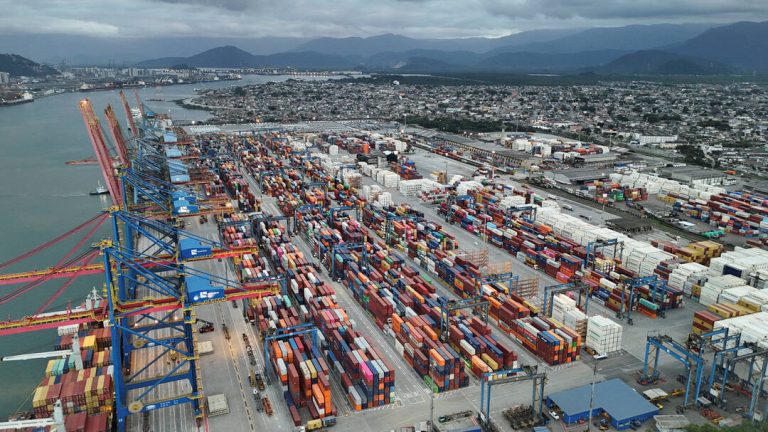
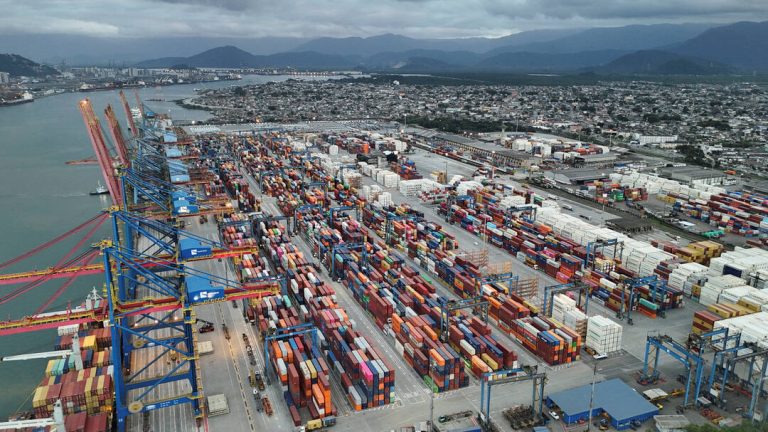
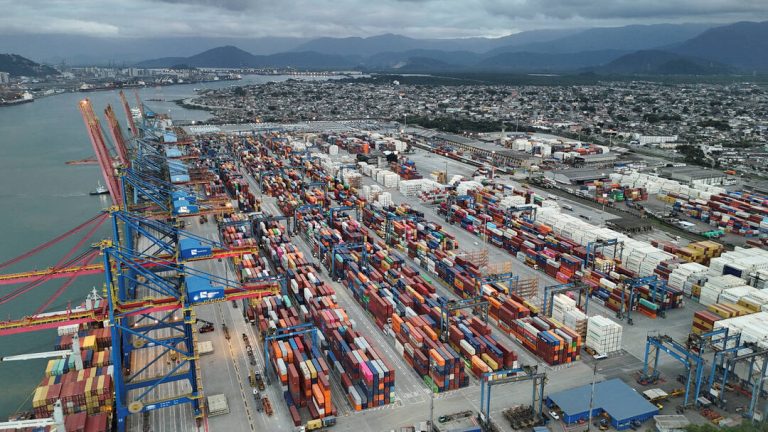
In a move that could potentially escalate into a trade war, the Indian government has strongly objected to Mexico’s announcement of imposing up to 50% tariffs on Indian exports. According to a report by Republic, the Centre has stated that it might take “appropriate measures” to protect the interests of Indian exporters, who are likely to be severely impacted by this decision. The Mexican government’s move is expected to affect over 1,400 products, and India has expressed its disappointment, saying that this action is not in line with the “spirit of cooperative economic engagement” between the two countries.
The Indian government has been actively engaging with Mexico through diplomatic channels to try and reverse this decision, which it believes is unfair and could harm the bilateral trade relations between the two nations. The Centre has emphasized that it values its economic ties with Mexico and is keen to resolve this issue amicably. However, it has also made it clear that it will not hesitate to take retaliatory measures if necessary, to protect the interests of its exporters.
The imposition of 50% tariffs on Indian exports is a significant development, and it could have far-reaching implications for the Indian economy. Mexico is an important trading partner for India, and the two countries have been working to strengthen their economic ties in recent years. The Indian government has been actively promoting exports to Mexico, and the country has been one of the key destinations for Indian products such as textiles, pharmaceuticals, and engineering goods.
The Mexican government’s decision to impose tariffs on Indian exports is reportedly aimed at protecting its domestic industries, which have been facing competition from cheaper Indian imports. However, the Indian government has argued that this move is not justified, as it could harm the interests of Indian exporters who have been complying with all the relevant rules and regulations.
The Centre has pointed out that the imposition of tariffs on Indian exports is not in line with the principles of free trade and could undermine the bilateral trade relations between the two countries. The Indian government has emphasized that it is committed to promoting free trade and has been working to reduce trade barriers and tariffs in its agreements with other countries.
The impact of the Mexican tariffs on Indian exports could be significant, and it could lead to a decline in the country’s exports to Mexico. The Indian government has estimated that the tariffs could affect over 1,400 products, including textiles, pharmaceuticals, and engineering goods. The Centre has also expressed concern that the tariffs could lead to a decline in the competitiveness of Indian exports, making it difficult for them to compete with products from other countries.
In response to the Mexican tariffs, the Indian government has been exploring options to protect the interests of its exporters. The Centre has been considering imposing retaliatory tariffs on Mexican imports, which could include products such as oil, minerals, and food items. The Indian government has also been engaging with other countries, including the United States, the European Union, and China, to seek their support in resolving this issue.
The dispute over tariffs between India and Mexico is a complex issue, and it requires a nuanced approach to resolve. The Indian government has emphasized that it is committed to finding a solution that is mutually beneficial to both countries. The Centre has pointed out that the imposition of tariffs is not a solution to the trade imbalance between the two countries and could lead to a decline in trade and economic cooperation.
In conclusion, the Indian government’s objection to Mexico’s 50% tariffs on Indian exports is a significant development, and it could have far-reaching implications for the bilateral trade relations between the two countries. The Centre has emphasized that it is committed to protecting the interests of Indian exporters and will take all necessary measures to resolve this issue. The Indian government has also pointed out that the imposition of tariffs is not in line with the principles of free trade and could undermine the economic ties between the two nations.
As the situation develops, it remains to be seen how the Indian government will respond to the Mexican tariffs. The Centre has a range of options available, including imposing retaliatory tariffs, seeking support from other countries, and engaging in diplomatic efforts to resolve the issue. One thing is certain, however, that the Indian government will not hesitate to take measures to protect the interests of its exporters and promote the country’s economic interests.
About the Author