Impossible to Shift 40% of Our Chip Capacity to US: Taiwan
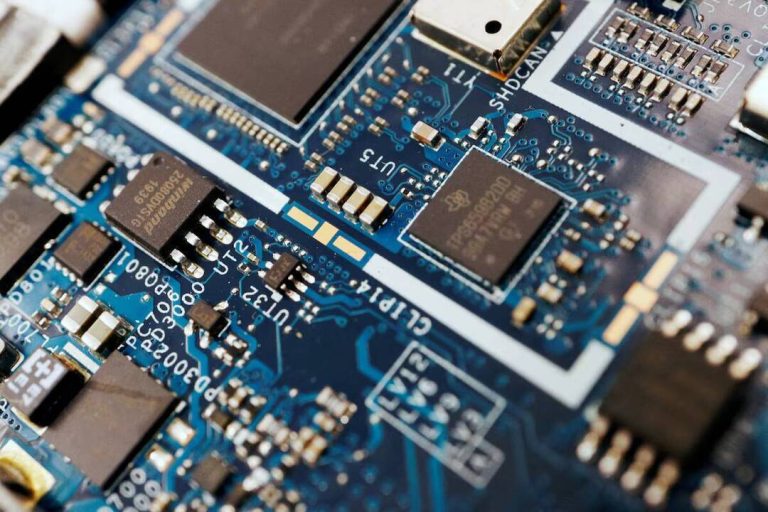
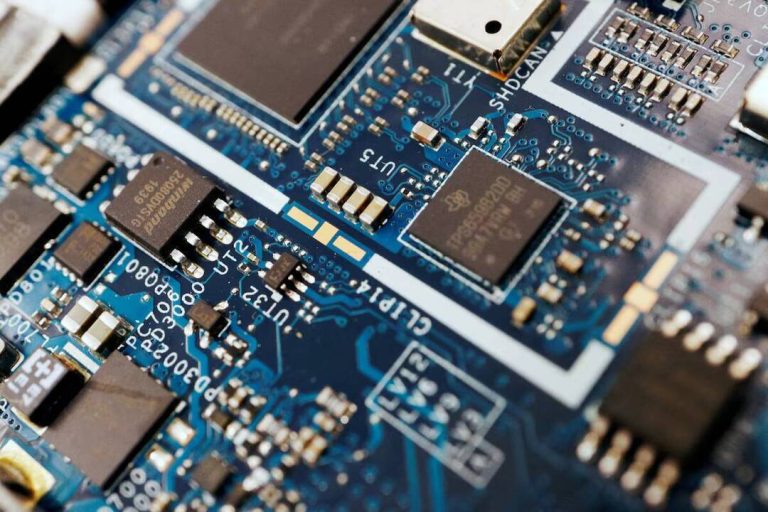
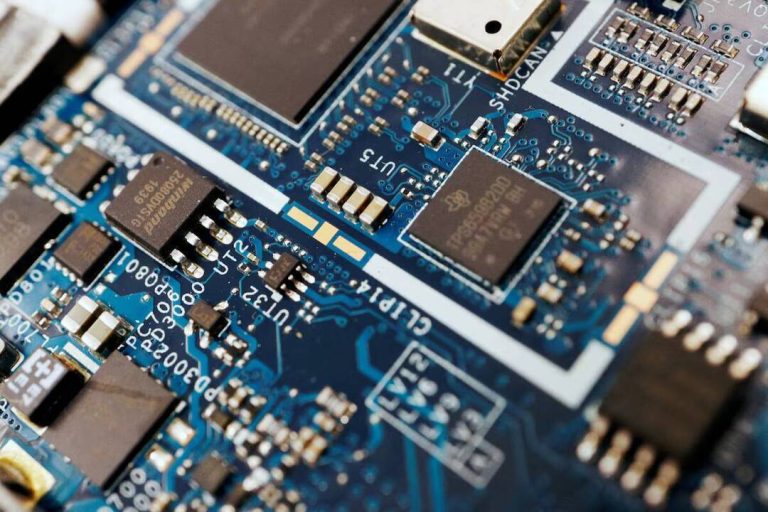
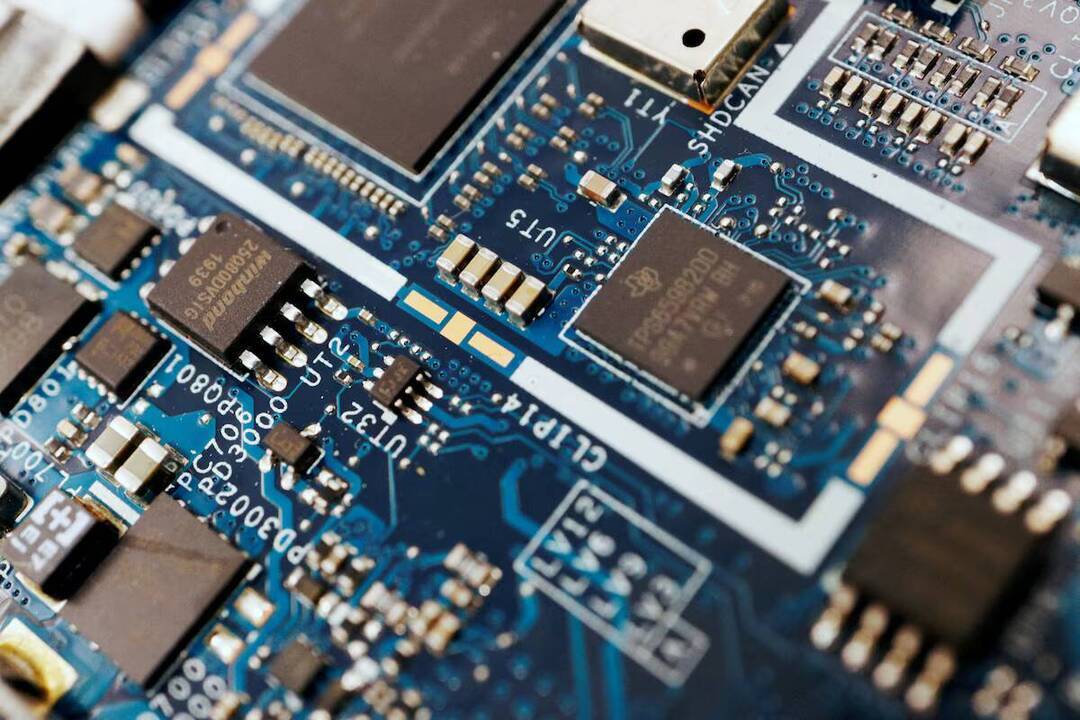
The global semiconductor industry has been abuzz with the recent announcement by Taiwan’s Vice Premier, Cheng Li-chiun, that shifting 40% of the country’s chip capacity to the US is “impossible”. This statement comes amidst growing pressure from the US government on Taiwanese chip firms to relocate their manufacturing facilities to the United States. The US has been keen to reduce its dependence on foreign-made semiconductors, particularly from Asia, and has been pushing Taiwanese companies to set up shop in America.
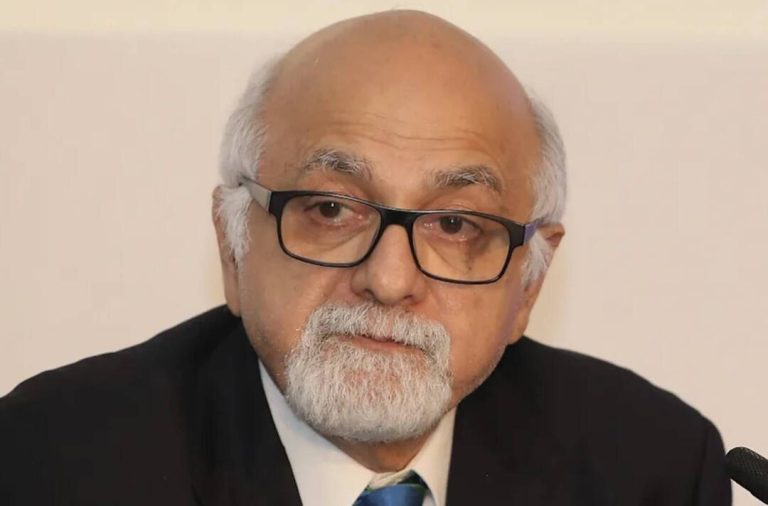
According to Vice Premier Cheng, while it may not be feasible to shift a significant portion of Taiwan’s semiconductor capacity to the US, the country can still expand its presence in the American market. “Our overall capacity [in Taiwan] will continue to grow. But we can expand our presence in the US,” she said. This statement suggests that Taiwan is willing to cooperate with the US and increase its investment in the country, but it cannot compromise on its existing production capacity.
The US has been trying to lure Taiwanese chip firms to set up manufacturing facilities in the country, citing national security concerns and the need to reduce dependence on foreign-made semiconductors. Earlier, US Commerce Secretary Howard Lutnick warned that Taiwanese chip firms could face a 100% tariff if they fail to build in the US. This move is seen as an attempt to strong-arm Taiwanese companies into relocating their production facilities to America.
However, Taiwan’s Vice Premier Cheng Li-chiun’s statement makes it clear that shifting 40% of the country’s chip capacity to the US is not a viable option. The semiconductor industry is a complex and capital-intensive sector, and relocating such a large portion of production capacity would require significant investment and infrastructure development. Moreover, Taiwan has invested heavily in its domestic semiconductor industry, and it is unlikely to abandon its existing facilities and expertise.
The Taiwanese government has been keen to maintain good relations with the US, but it is also mindful of its own economic interests. The semiconductor industry is a significant contributor to Taiwan’s economy, and the government is unlikely to compromise on its existing production capacity. Instead, Taiwan may explore other options, such as expanding its presence in the US through joint ventures or partnerships with American companies.
The US-China trade tensions have also played a role in the US government’s push to reduce its dependence on foreign-made semiconductors. The US has been trying to diversify its supply chain and reduce its reliance on Chinese-made components, and Taiwanese chip firms have been seen as a key part of this strategy. However, Taiwan’s Vice Premier Cheng Li-chiun’s statement suggests that the country is not willing to compromise on its existing production capacity, and the US may need to explore other options to achieve its goals.
In conclusion, Taiwan’s Vice Premier Cheng Li-chiun’s statement that shifting 40% of the country’s chip capacity to the US is “impossible” is a significant development in the global semiconductor industry. While Taiwan is willing to cooperate with the US and expand its presence in the American market, it is unlikely to compromise on its existing production capacity. The US government may need to explore other options to achieve its goals of reducing dependence on foreign-made semiconductors, and Taiwanese chip firms may need to navigate a complex web of geopolitical tensions and trade restrictions.
As the global semiconductor industry continues to evolve, it will be interesting to see how Taiwan and the US navigate their relationship and balance their competing interests. One thing is certain, however: the semiconductor industry will remain a critical component of the global economy, and countries will need to work together to ensure a stable and secure supply chain.
Source: https://www.reuters.com/world/china/taiwan-says-40-shift-chip-capacity-us-is-impossible-2026-02-09/
About the Author