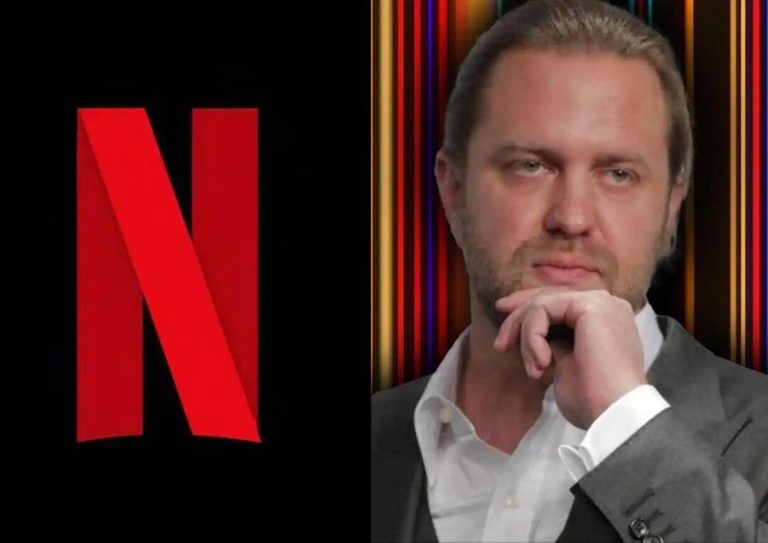
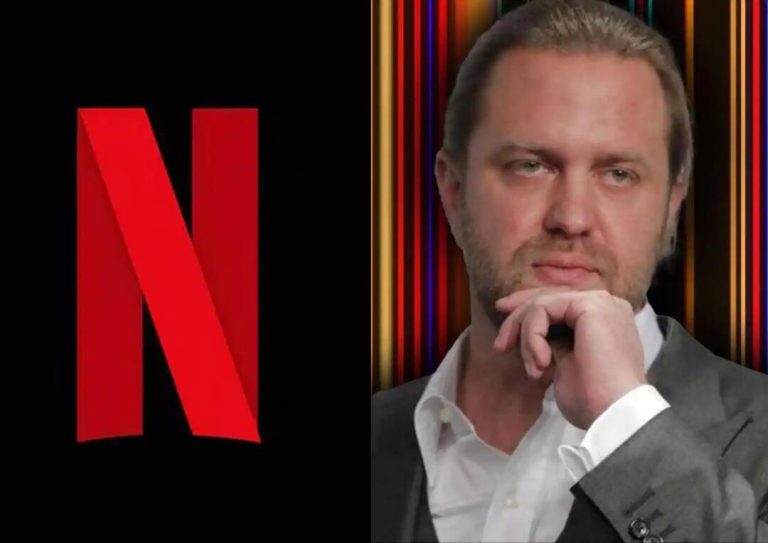
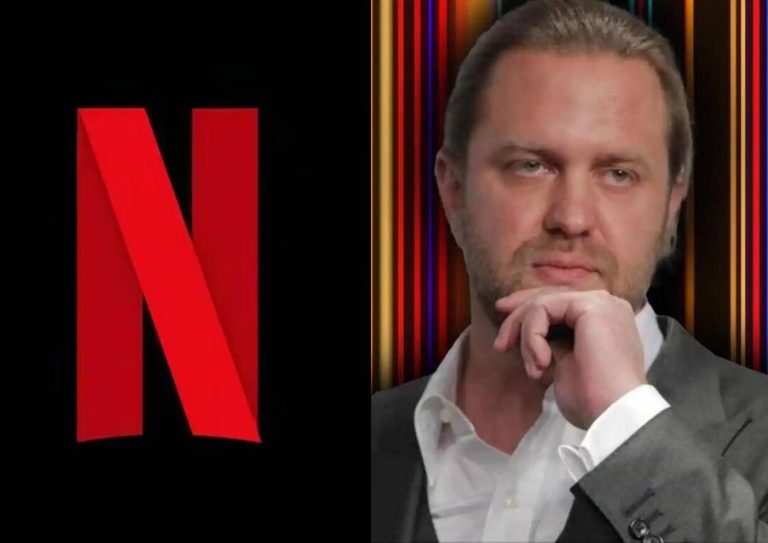
H’wood director Rinsch convicted of scamming Netflix out of $11-mn
The world of Hollywood has been shaken by a shocking scandal, as renowned director Carl Erik Rinsch has been convicted of defrauding Netflix out of a staggering $11 million. The funds were intended for a science-fiction show that was never made, and instead, Rinsch used them to fund a life of luxury. The court’s verdict has sent shockwaves through the entertainment industry, with many left wondering how such a massive scam could go undetected for so long.
According to the court’s findings, Rinsch had been working on a long-delayed series called “White Horse,” which was supposed to be a flagship show for Netflix. However, despite receiving millions of dollars in funding, Rinsch failed to deliver the show, and instead, used the money to finance his own lavish lifestyle. The court found that Rinsch had siphoned off the funds intended for the show and used them to pay for personal expenses, including luxury cars, real estate, and high-end vacations.
The scam was uncovered after Netflix launched an investigation into the missing funds, which led to a thorough examination of Rinsch’s financial records. The investigation revealed a complex web of transactions and shell companies, all designed to conceal Rinsch’s fraudulent activities. The court’s verdict was a culmination of a lengthy and complex trial, which saw Rinsch’s defense team argue that the funds were used for legitimate production expenses.
However, the prosecution presented overwhelming evidence to the contrary, including testimony from former colleagues and employees who worked on the “White Horse” project. They revealed that Rinsch had been using the show as a front to embezzle funds, and that he had been misleading Netflix executives about the show’s progress. The court also heard that Rinsch had been using the funds to pay off personal debts and to invest in other business ventures, completely unrelated to the show.
The consequences of Rinsch’s actions are severe, with the director facing a maximum of 90 years in prison. Rinsch is scheduled to be sentenced on April 17, 2026, and it is likely that he will receive a significant prison term. The conviction has also raised questions about the lack of oversight and accountability in the entertainment industry, where large sums of money are often handed out to producers and directors with little scrutiny.
The case has also sparked a wider debate about the culture of excess and entitlement that pervades Hollywood. Many have pointed out that Rinsch’s actions are not an isolated incident, but rather a symptom of a broader problem. The entertainment industry is notorious for its lavish spending and lack of transparency, and it is not uncommon for producers and directors to use funds for personal expenses.
The conviction of Carl Erik Rinsch is a wake-up call for the entertainment industry, and a reminder that accountability and transparency are essential for preventing such scams. Netflix has vowed to increase its oversight and auditing procedures to prevent similar incidents in the future. The company has also announced that it will be taking steps to recover the stolen funds and to prevent Rinsch from working in the industry again.
In conclusion, the conviction of Carl Erik Rinsch is a shocking reminder of the darker side of the entertainment industry. The case highlights the need for greater transparency and accountability, and serves as a warning to those who would seek to exploit the system for personal gain. As the industry continues to grapple with the fallout from this scandal, one thing is clear: the days of unchecked excess and entitlement in Hollywood are numbered.
About the Author