H’wood director Rinsch convicted of scamming Netflix out of $11-mn
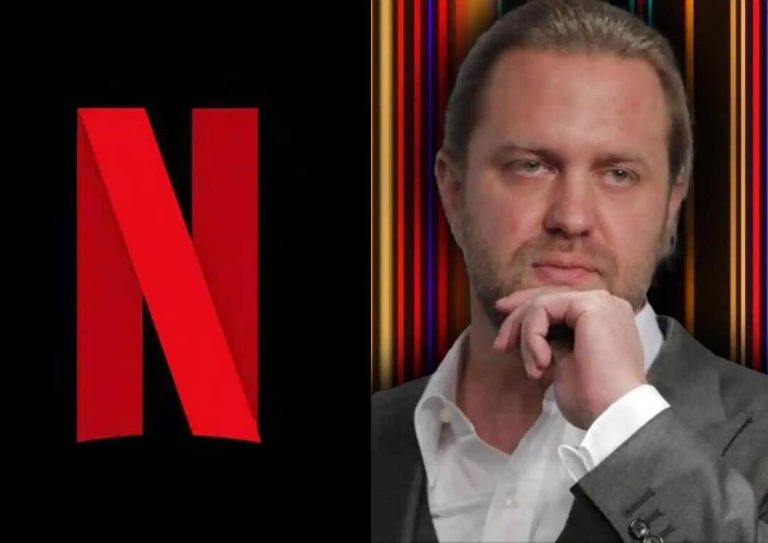
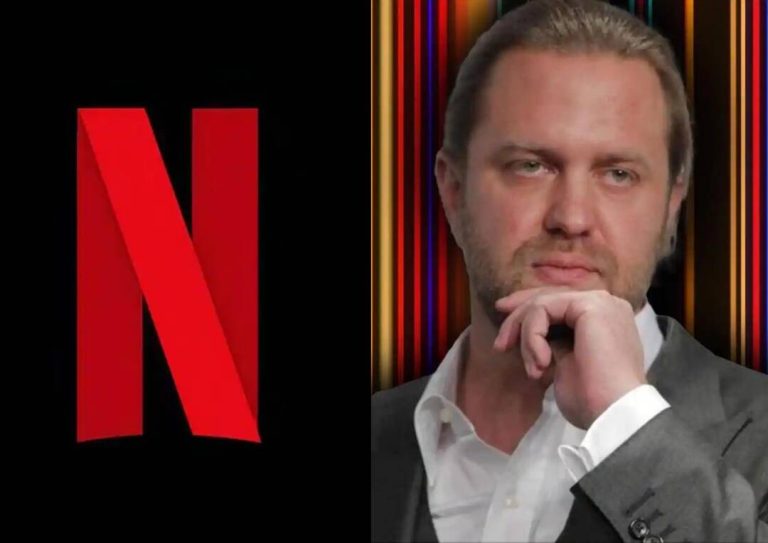
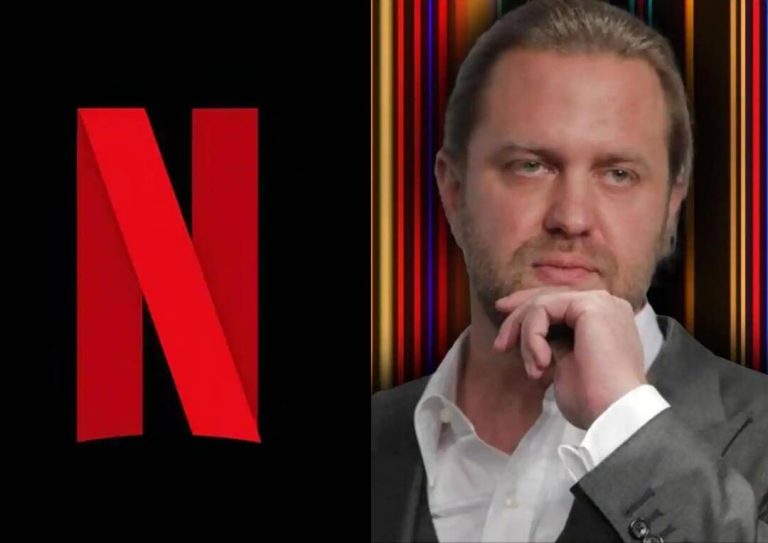
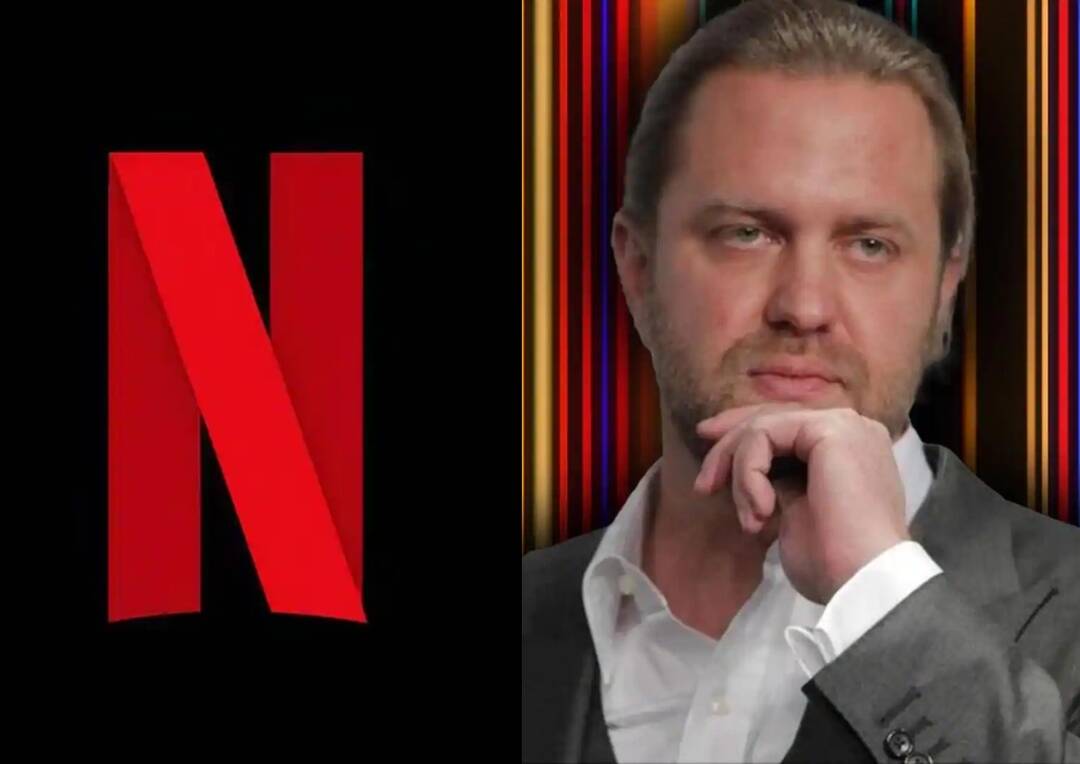
The world of Hollywood has been shaken to its core with the conviction of renowned director Carl Erik Rinsch for defrauding streaming giant Netflix out of a whopping $11 million. The funds were intended for the production of a science-fiction series titled ‘White Horse’, which was never actually made. Instead, Rinsch siphoned off the money to fund his own life of luxury, as found by the court.
The news of Rinsch’s conviction has sent shockwaves through the entertainment industry, with many questioning how such a massive scam could have gone undetected for so long. The case has also raised concerns about the lack of oversight and accountability in the funding of large-scale productions.
According to reports, Rinsch had been working on the concept for ‘White Horse’ for several years, and had managed to secure a significant amount of funding from Netflix for the project. However, despite the large budget, the series never actually went into production. Instead, Rinsch used the funds to finance his own lavish lifestyle, including purchasing luxury items and traveling extensively.
The court found that Rinsch had deliberately misled Netflix about the progress of the series, providing false updates and invoices to justify the continued flow of funds. The scam was only discovered when Netflix executives began to suspect that something was amiss, and launched an investigation into the matter.
Rinsch’s conviction is a significant blow to his reputation and career, and he could face severe penalties for his actions. The director is scheduled to be sentenced on April 17, 2026, and could potentially face up to 90 years in prison. The sentence will depend on the discretion of the court, and will take into account the severity of the crime and Rinsch’s overall conduct.
The case has also raised questions about the role of Netflix in the scandal. While the streaming giant has not been accused of any wrongdoing, some have questioned how the company could have allowed such a large amount of money to be siphoned off without detecting any irregularities. Netflix has thus far declined to comment on the matter, citing the ongoing nature of the case.
The conviction of Carl Erik Rinsch is a stark reminder of the risks and challenges associated with the production of large-scale entertainment projects. The case highlights the need for greater oversight and accountability in the funding of such projects, and the importance of ensuring that those responsible for managing funds are held to the highest standards of integrity and transparency.
As the entertainment industry continues to grapple with the implications of Rinsch’s conviction, one thing is clear: the days of unchecked excess and corruption in Hollywood are numbered. The public expects a higher level of accountability from those in positions of power and influence, and it is the responsibility of industry leaders to ensure that this expectation is met.
In conclusion, the conviction of Carl Erik Rinsch for defrauding Netflix out of $11 million is a sobering reminder of the risks and challenges associated with the production of large-scale entertainment projects. The case highlights the need for greater oversight and accountability in the funding of such projects, and the importance of ensuring that those responsible for managing funds are held to the highest standards of integrity and transparency.
About the Author