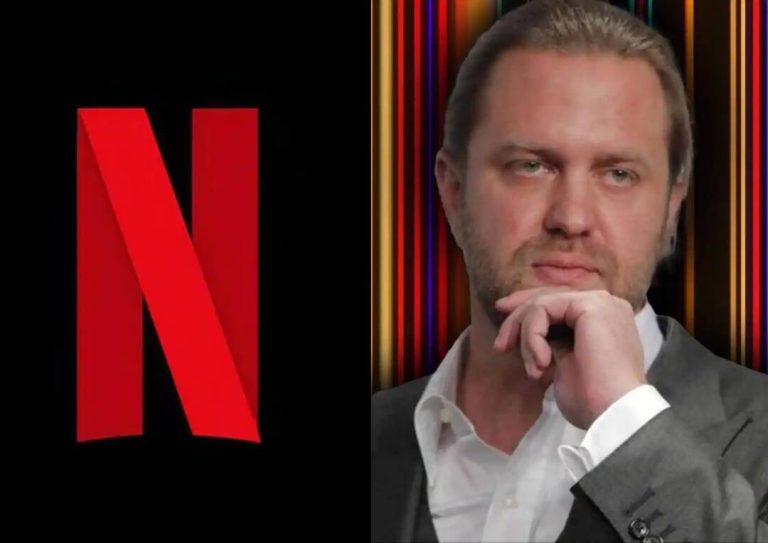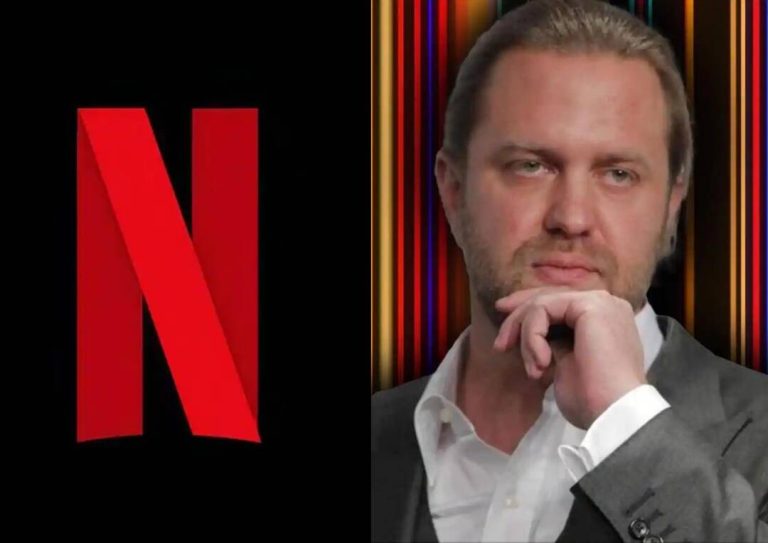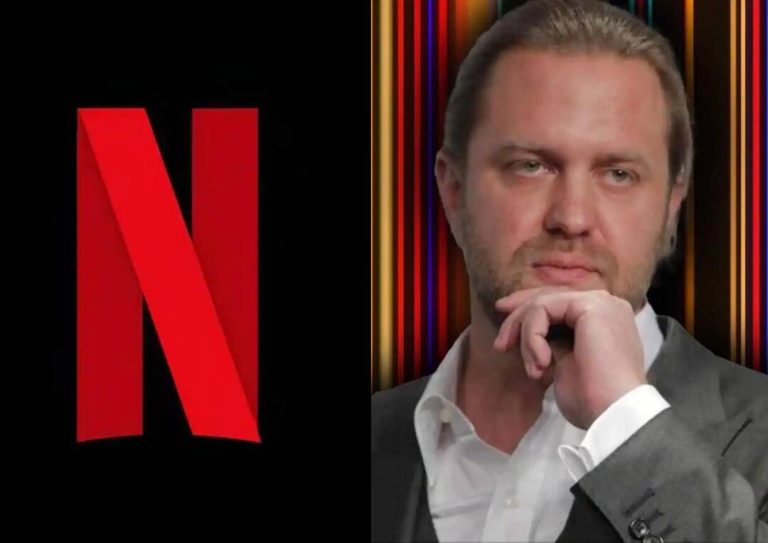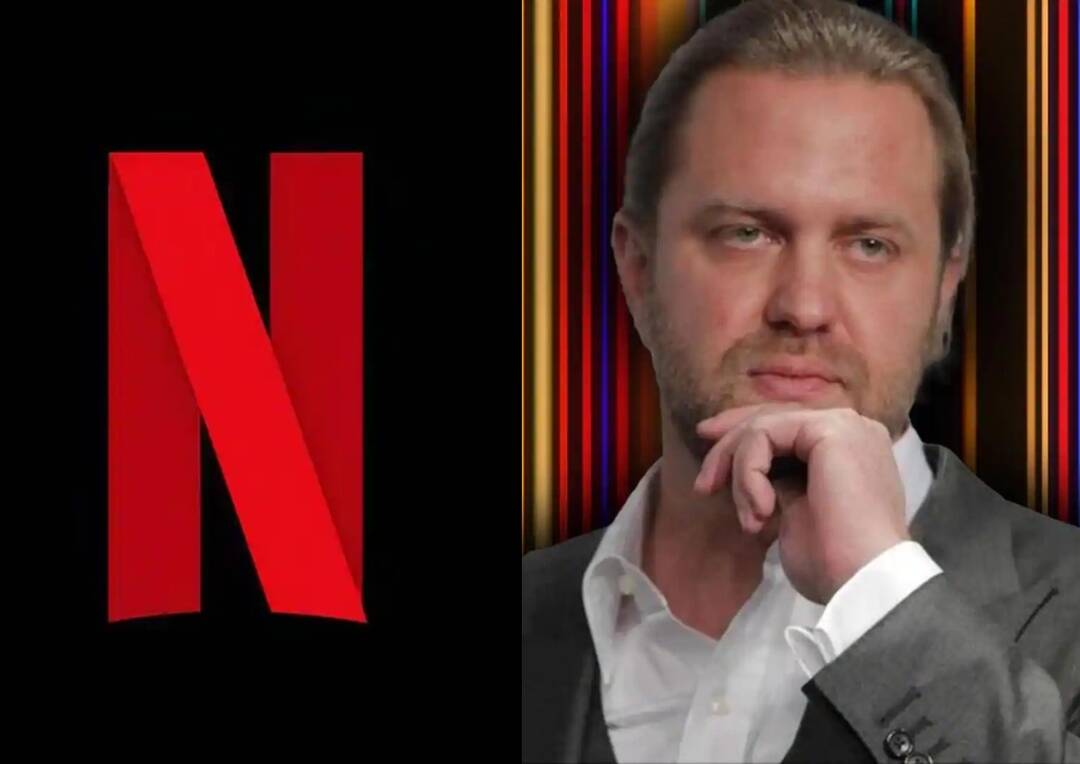
H’wood director Rinsch convicted of scamming Netflix out of $11-mn
The entertainment industry has been rocked by a shocking scandal, as Hollywood director Carl Erik Rinsch has been convicted of defrauding Netflix out of a staggering $11 million. The funds were intended for the production of a science-fiction show, but Rinsch had other plans. According to the court, he siphoned the money and used it to fund his own life of luxury.
The show in question, “White Horse,” was a highly anticipated series that had been in development for years. However, despite the significant investment from Netflix, the project never came to fruition. Instead, Rinsch used the funds to finance his own lavish lifestyle, complete with expensive cars, luxury homes, and high-end vacations.
The court’s verdict is a significant blow to Rinsch, who now faces the very real possibility of spending decades behind bars. With a maximum sentence of 90 years in prison, Rinsch’s future is looking increasingly bleak. His sentencing is scheduled to take place on April 17, 2026, and it is likely that the judge will come down hard on the disgraced director.
The news of Rinsch’s conviction has sent shockwaves through the entertainment industry, with many of his colleagues and peers expressing their outrage and disgust at his actions. The fact that he was able to deceive Netflix and defraud them out of such a large sum of money is a stark reminder of the need for greater accountability and transparency in the industry.
Rinsch’s actions are all the more egregious given the fact that “White Horse” was a project that had generated significant excitement and anticipation among fans. The show’s premise, which promised to explore complex themes and ideas, had many viewers eagerly awaiting its release. However, thanks to Rinsch’s deceit and greed, the show never had the chance to come to life.
The conviction of Carl Erik Rinsch serves as a warning to others in the industry who may be tempted to engage in similar behavior. The fact that he was able to get away with his scam for so long is a testament to the need for greater oversight and regulation in the entertainment industry. As the industry continues to evolve and grow, it is essential that measures are put in place to prevent similar incidents from occurring in the future.
In addition to the financial losses suffered by Netflix, Rinsch’s actions have also caused significant damage to his own reputation and career. It is unlikely that he will be able to recover from the fallout of his conviction, and it is probable that his name will become synonymous with deceit and corruption in the entertainment industry.
As the entertainment industry continues to grapple with the implications of Rinsch’s conviction, one thing is clear: the need for accountability and transparency has never been more pressing. The fact that a director was able to defraud a major streaming platform out of millions of dollars is a stark reminder of the need for greater oversight and regulation.
In the end, the conviction of Carl Erik Rinsch serves as a cautionary tale about the dangers of greed and deceit in the entertainment industry. As the industry continues to evolve and grow, it is essential that measures are put in place to prevent similar incidents from occurring in the future. The fans of “White Horse” will never get to see the show that they were promised, and Rinsch will have to live with the consequences of his actions.
The case of Carl Erik Rinsch is a reminder that the entertainment industry is not immune to the problems of corruption and deceit that plague other industries. However, it is also a testament to the fact that the justice system can and will hold individuals accountable for their actions. As the industry moves forward, it is essential that it learns from the mistakes of the past and works to create a more transparent and accountable environment for all.
In conclusion, the conviction of Carl Erik Rinsch is a significant blow to the entertainment industry, and a stark reminder of the need for greater accountability and transparency. The fact that he was able to defraud Netflix out of $11 million is a testament to the need for greater oversight and regulation, and his actions will have far-reaching consequences for the industry as a whole.
About the Author