H’wood director Rinsch convicted of scamming Netflix out of $11-mn
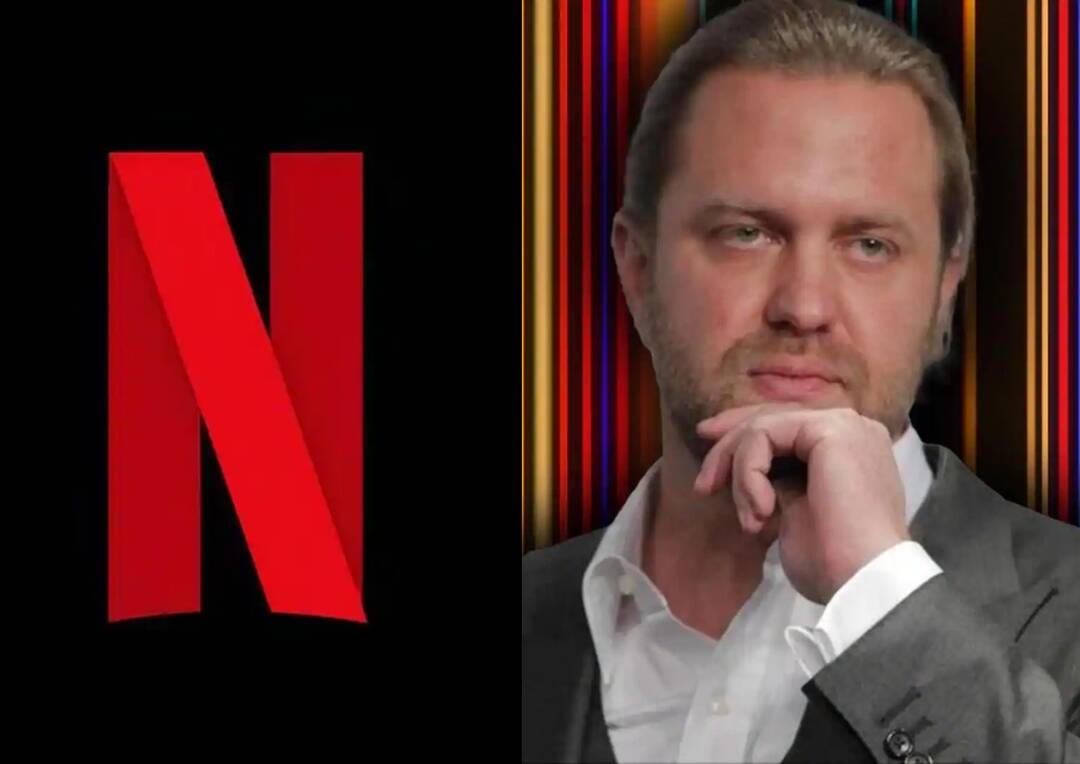
In a shocking turn of events, Hollywood director Carl Erik Rinsch has been convicted of defrauding Netflix out of a staggering $11 million. The funds were intended for a science-fiction show that was never made, and instead, Rinsch used them to fund his life of luxury. The court’s verdict has left the entertainment industry reeling, and Rinsch could face a maximum of 90 years in prison.
The case against Rinsch revolves around the long-delayed series “White Horse,” which was initially commissioned by Netflix. Rinsch, who had previously worked on several high-profile projects, was brought on board to direct the show. However, despite receiving a significant amount of money from Netflix, Rinsch failed to deliver the promised series. Instead, he used the funds to finance his own lavish lifestyle, which included expensive cars, real estate, and luxury vacations.
The investigation into Rinsch’s activities revealed a complex web of deceit and corruption. It was discovered that Rinsch had set up several shell companies and fake production entities, which he used to siphon off the funds intended for “White Horse.” He then used these funds to pay for his personal expenses, including mortgage payments on his luxurious home, high-end cars, and exotic vacations.
The court’s verdict was a result of a thorough investigation, which involved poring over financial records, interviewing witnesses, and analyzing evidence. The prosecution presented a strong case, which demonstrated Rinsch’s intent to defraud Netflix and his blatant disregard for the terms of their agreement. The jury deliberated for several hours before returning a guilty verdict, which was met with a mixture of shock and relief from the entertainment industry.
Rinsch’s conviction has sent shockwaves through the entertainment industry, with many expressing outrage and disappointment at his actions. The case has also raised questions about the lack of oversight and accountability in the entertainment industry, particularly when it comes to the use of funds for production purposes. Netflix has released a statement condemning Rinsch’s actions and expressing gratitude to the authorities for bringing him to justice.
The consequences of Rinsch’s actions will be severe. He is scheduled to be sentenced on April 17, 2026, and could face a maximum of 90 years in prison. The sentence will depend on various factors, including the severity of the crime, Rinsch’s prior record, and his level of cooperation with the authorities. In addition to the prison term, Rinsch may also be required to pay restitution to Netflix, which could run into millions of dollars.
The case against Rinsch serves as a reminder of the importance of accountability and transparency in the entertainment industry. It highlights the need for stricter oversight and monitoring of funds intended for production purposes. The incident has also raised questions about the vetting process used by Netflix and other production companies to select directors and producers for their projects.
In the wake of Rinsch’s conviction, Netflix has announced plans to review its production protocols and implement new measures to prevent similar incidents in the future. The company has also expressed its commitment to working with law enforcement agencies to bring perpetrators of fraud to justice.
The entertainment industry is known for its glitz and glamour, but the case against Rinsch serves as a reminder that there is a darker side to the business. The incident has left a stain on the industry’s reputation and has raised questions about the ethics and morals of some of its key players.
As the sentencing date approaches, the entertainment industry will be watching with bated breath. The case against Rinsch has sparked a heated debate about the need for greater accountability and transparency in the industry. It remains to be seen how the industry will respond to the incident and what measures will be taken to prevent similar cases of fraud in the future.
In conclusion, the conviction of Carl Erik Rinsch is a sobering reminder of the consequences of fraud and deceit in the entertainment industry. The case has sent shockwaves through the industry and has raised important questions about accountability and transparency. As the industry moves forward, it is essential that it learns from the mistakes of the past and takes steps to prevent similar incidents in the future.
News Source: https://www.newsbytesapp.com/news/entertainment/hollywood-director-convicted-for-scamming-netflix/story
About the Author