H’wood director Rinsch convicted of scamming Netflix out of $11-mn
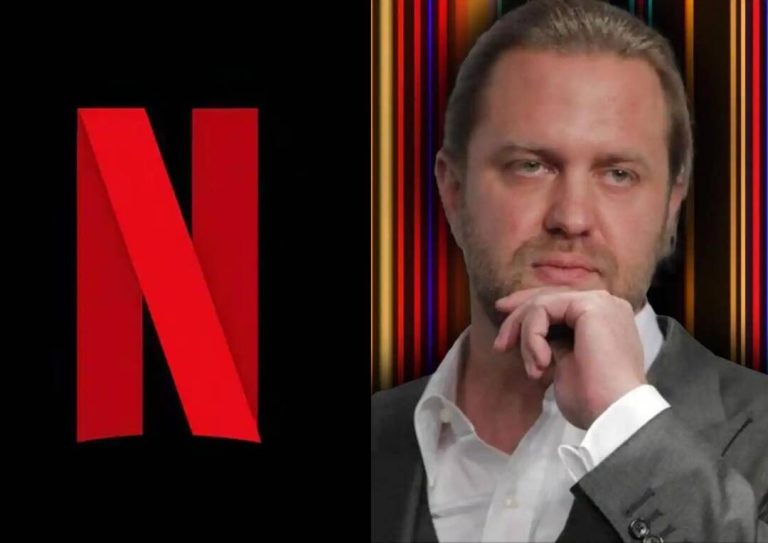
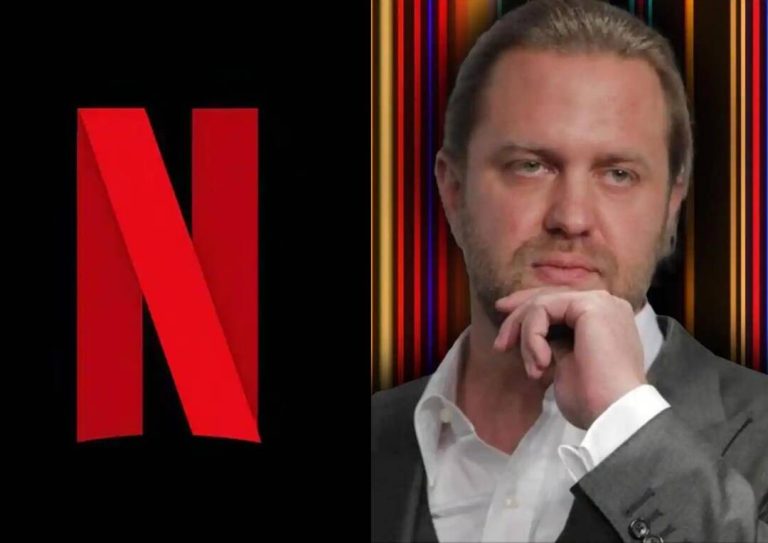
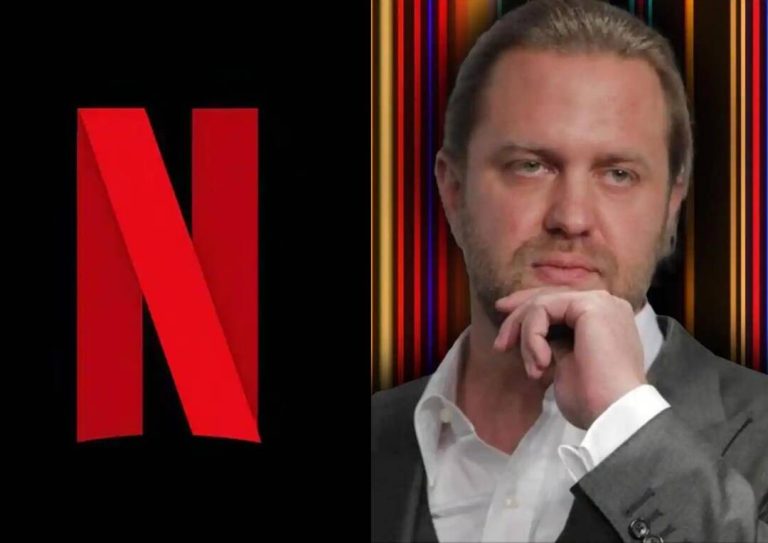
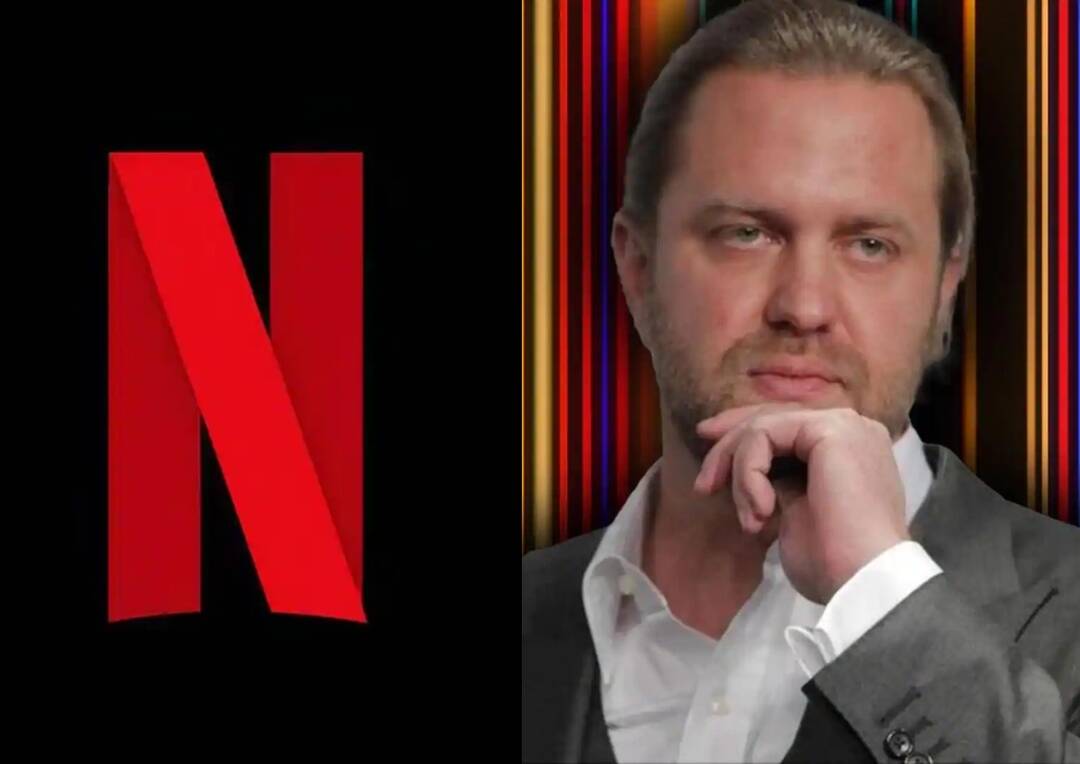
In a shocking turn of events, Hollywood director Carl Erik Rinsch has been convicted of defrauding Netflix out of a staggering $11 million. The funds were intended for a science-fiction show that was never made, and instead, Rinsch used them to fund his life of luxury. The court’s verdict has sent shockwaves through the entertainment industry, with many left wondering how such a brazen scam could have gone undetected for so long.
According to reports, Rinsch had been working on a long-delayed series called “White Horse,” which was supposed to be a science-fiction epic. However, despite receiving millions of dollars in funding from Netflix, the show never materialized. Instead, Rinsch used the funds to finance his own lavish lifestyle, complete with expensive cars, luxury homes, and high-end vacations.
The court found that Rinsch had siphoned off the funds intended for the show and used them for his own personal gain. The exact details of the scam are still unclear, but it is believed that Rinsch used a combination of fake invoices, shell companies, and other financial manipulations to conceal his actions.
The conviction is a significant blow to Rinsch’s reputation and career. The director had previously worked on several high-profile projects, including commercials and music videos for top brands and artists. However, his involvement in the Netflix scam has left his future in the entertainment industry uncertain.
Rinsch could face a maximum of 90 years in prison for his crimes, although the exact sentence will be determined at a later date. He is scheduled to be sentenced on April 17, 2026, and it is likely that he will receive a significant prison term.
The case has raised questions about the lack of oversight and accountability in the entertainment industry. How could a director like Rinsch have gotten away with such a brazen scam for so long? What checks and balances are in place to prevent this kind of abuse of power and funds?
The answer, it seems, lies in the complex and often opaque world of entertainment financing. In many cases, funds are allocated to projects based on a combination of factors, including the director’s reputation, the project’s potential for success, and the network’s overall budget. However, once the funds are allocated, it can be difficult to track how they are being used.
In the case of Rinsch and Netflix, it appears that the director was able to take advantage of this lack of oversight to siphon off funds for his own personal gain. The fact that the show was never made and that Rinsch was able to conceal his actions for so long suggests a significant failure of accountability and oversight.
The case also raises questions about the culture of excess and entitlement that exists in some parts of the entertainment industry. Rinsch’s actions, as described in the court documents, suggest a sense of entitlement and a lack of regard for the consequences of his actions. The fact that he was able to use funds intended for a legitimate project to finance his own luxury lifestyle is a stark reminder of the excesses that can exist in this world.
In conclusion, the conviction of Carl Erik Rinsch for scamming Netflix out of $11 million is a shocking reminder of the risks of abuse and excess that exist in the entertainment industry. The case highlights the need for greater oversight and accountability, particularly when it comes to the allocation and use of funds for projects. As the industry continues to evolve and grow, it is essential that we prioritize transparency, accountability, and fairness in all aspects of our work.
About the Author