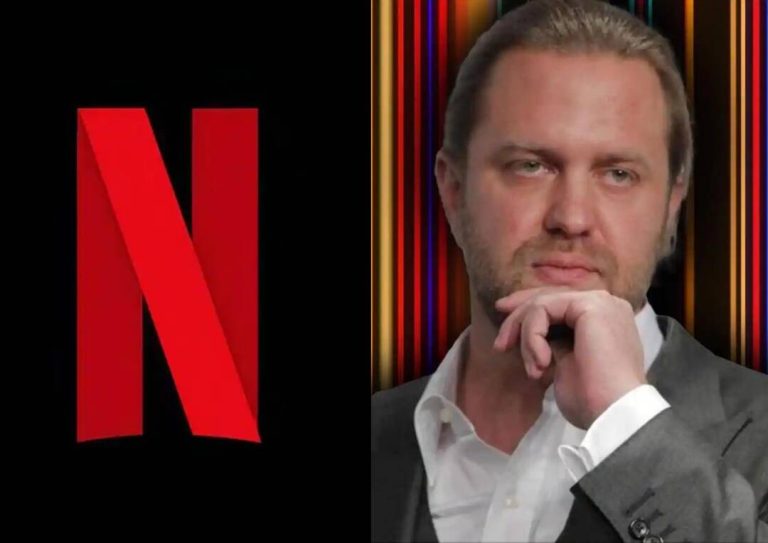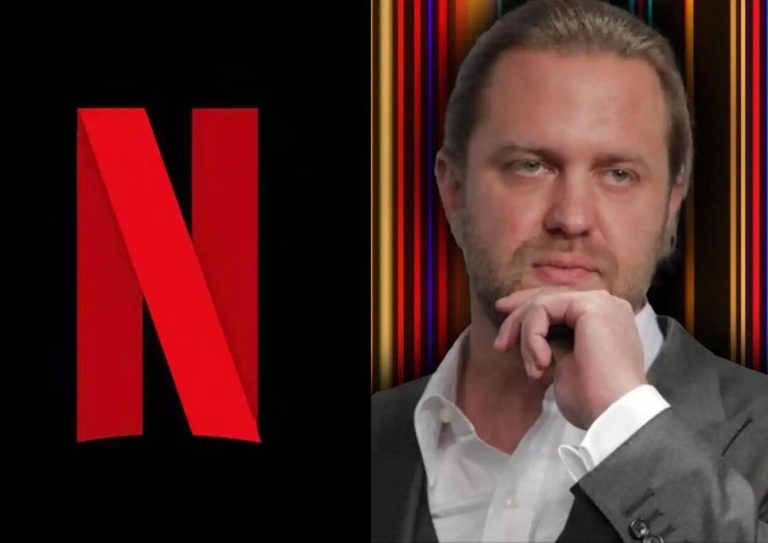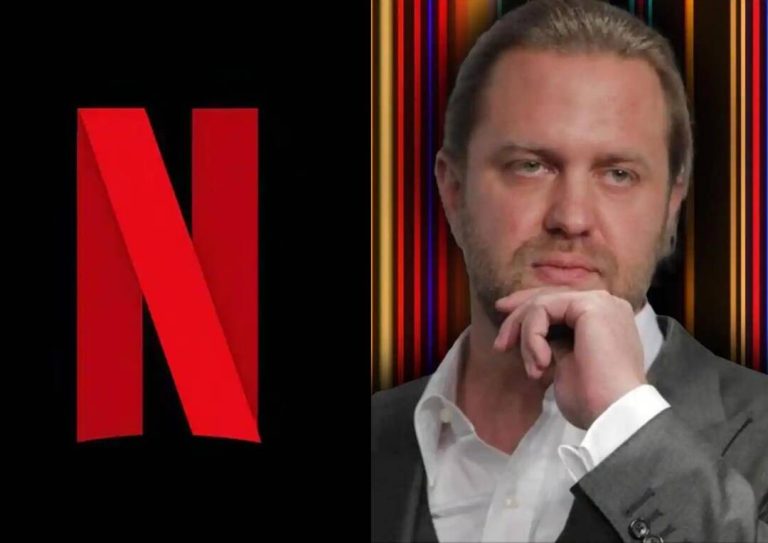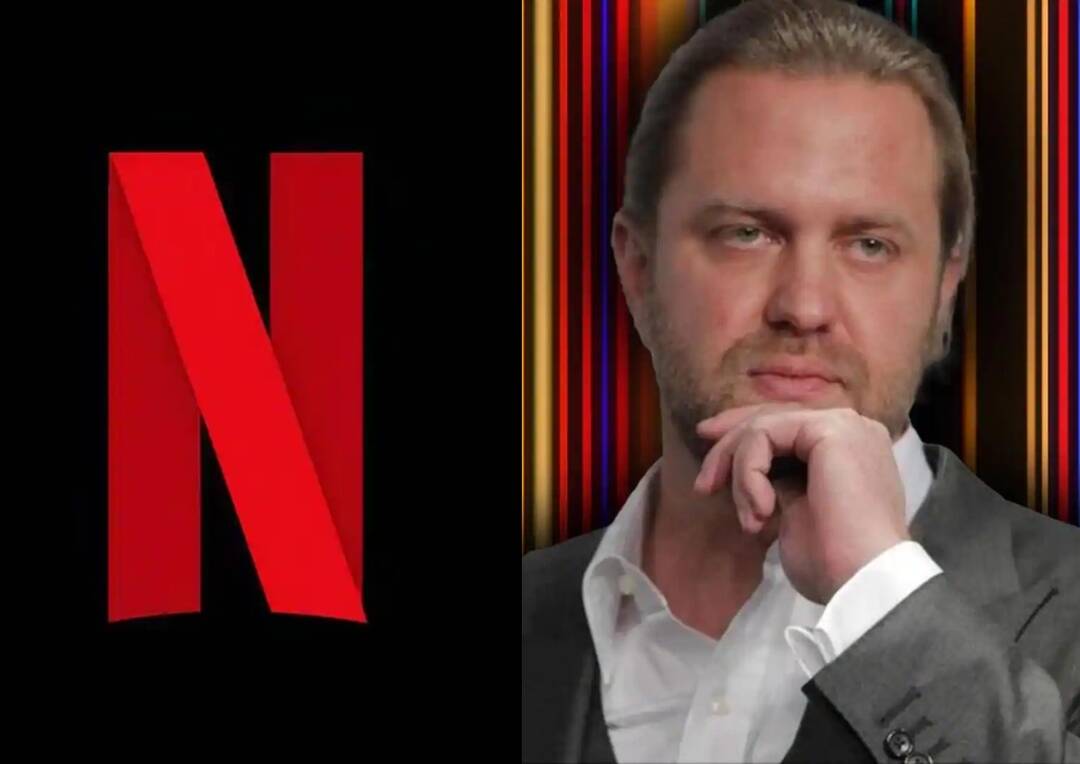
H’wood director Rinsch convicted of scamming Netflix out of $11-mn
In a shocking turn of events, Hollywood director Carl Erik Rinsch has been convicted of defrauding Netflix out of a staggering $11 million. The funds were intended for a science-fiction show that was never made, and instead, Rinsch used them to fund his life of luxury. The court’s verdict has sent shockwaves through the entertainment industry, with many calling for stricter regulations to prevent such scams in the future.
According to reports, Rinsch had been working on a long-delayed series called “White Horse,” which was supposed to be a science-fiction epic. However, despite receiving millions of dollars in funding from Netflix, the project never saw the light of day. Instead, Rinsch siphoned off the funds and used them to finance his own lavish lifestyle.
The court found that Rinsch had been using the money to pay for his personal expenses, including luxury cars, expensive vacations, and high-end real estate. He had also used the funds to invest in other business ventures, which had nothing to do with the production of “White Horse.”
The conviction is a significant blow to Rinsch’s reputation, and he could face severe consequences for his actions. He is scheduled to be sentenced on April 17, 2026, and could face a maximum of 90 years in prison. The sentence will depend on the severity of the crimes committed and the discretion of the judge.
The case highlights the need for greater transparency and accountability in the entertainment industry. With millions of dollars being invested in film and television productions every year, there is a risk of scams and embezzlement. The Rinsch case is a wake-up call for streaming platforms like Netflix, which need to be more vigilant in monitoring their investments and ensuring that funds are being used for their intended purpose.
Netflix has been at the forefront of the streaming revolution, producing a wide range of original content that has captivated audiences around the world. However, the platform’s success has also attracted unscrupulous individuals who seek to take advantage of its deep pockets. The Rinsch case is a reminder that even the most successful companies can fall victim to scams and embezzlement.
The conviction of Rinsch is also a warning to other individuals who may be tempted to engage in similar behavior. The entertainment industry is built on trust and relationships, and those who seek to exploit these relationships for personal gain will be held accountable.
In recent years, there have been several high-profile cases of scams and embezzlement in the entertainment industry. These cases have highlighted the need for greater regulation and oversight, particularly when it comes to the use of funds for film and television productions.
The Rinsch case is a significant development in this context, as it highlights the need for streaming platforms to be more proactive in monitoring their investments. Netflix and other streaming platforms need to implement stricter controls and safeguards to prevent scams and embezzlement.
In conclusion, the conviction of Carl Erik Rinsch is a significant blow to the entertainment industry, highlighting the need for greater transparency and accountability. The case is a reminder that even the most successful companies can fall victim to scams and embezzlement, and that those who engage in such behavior will be held accountable. As the entertainment industry continues to evolve and grow, it is essential that streaming platforms and production companies prioritize transparency and accountability to prevent such cases in the future.
About the Author