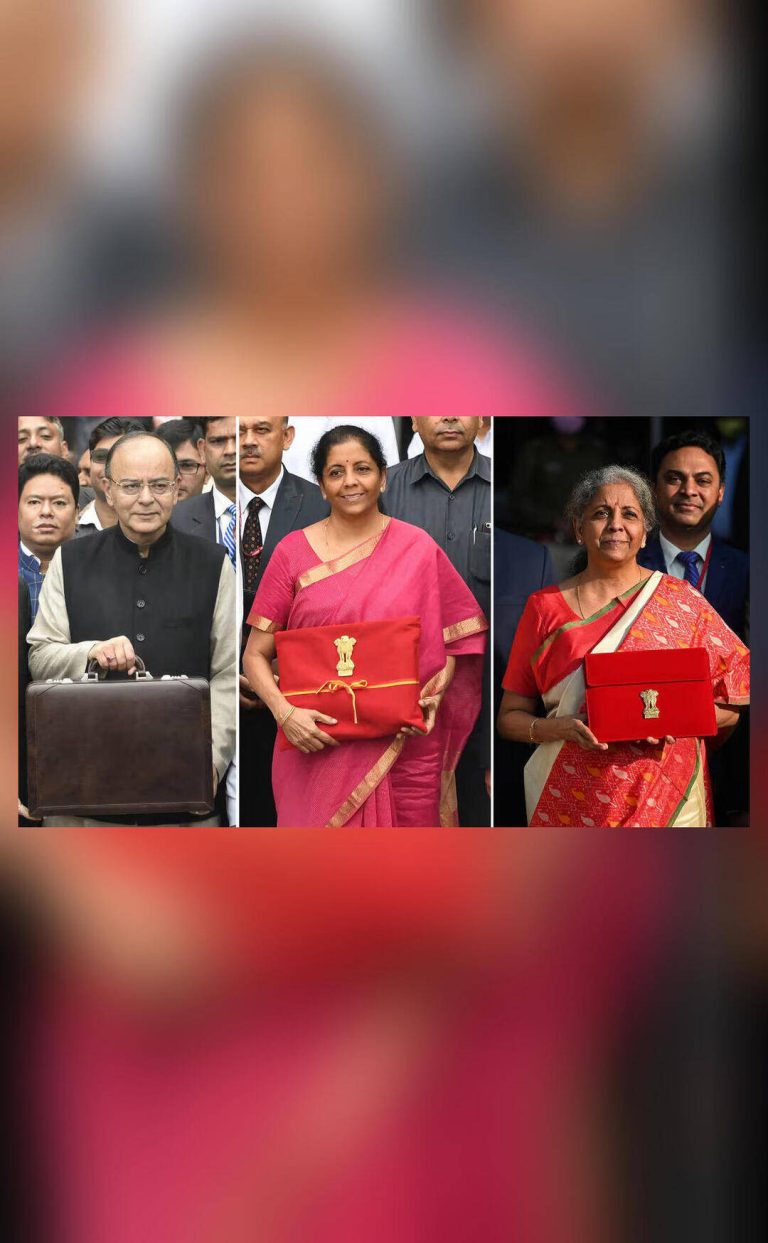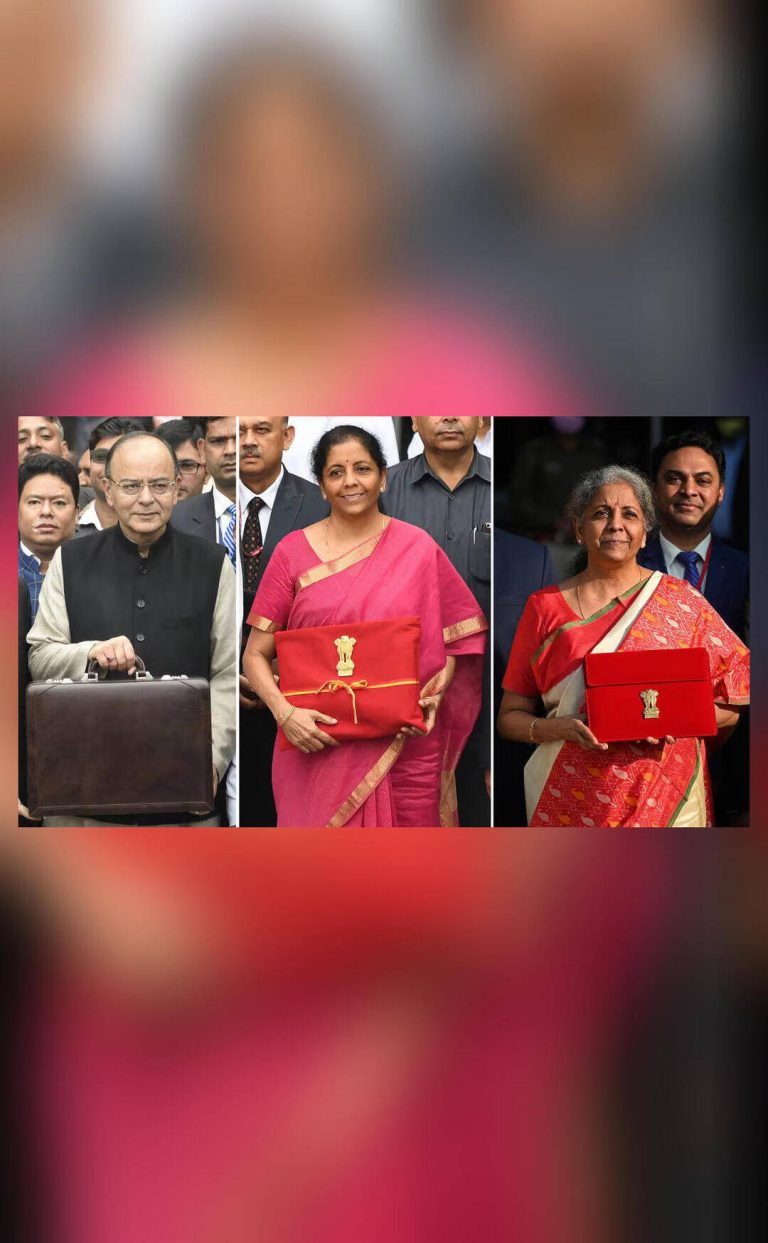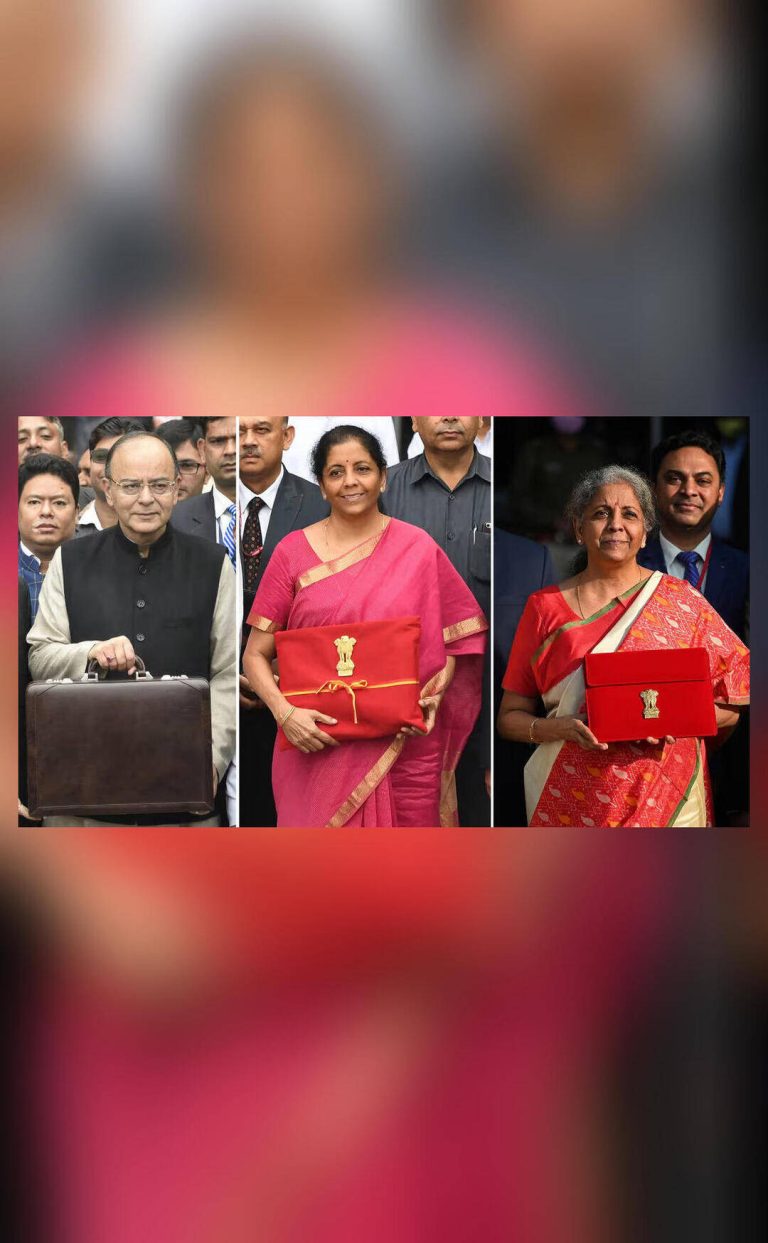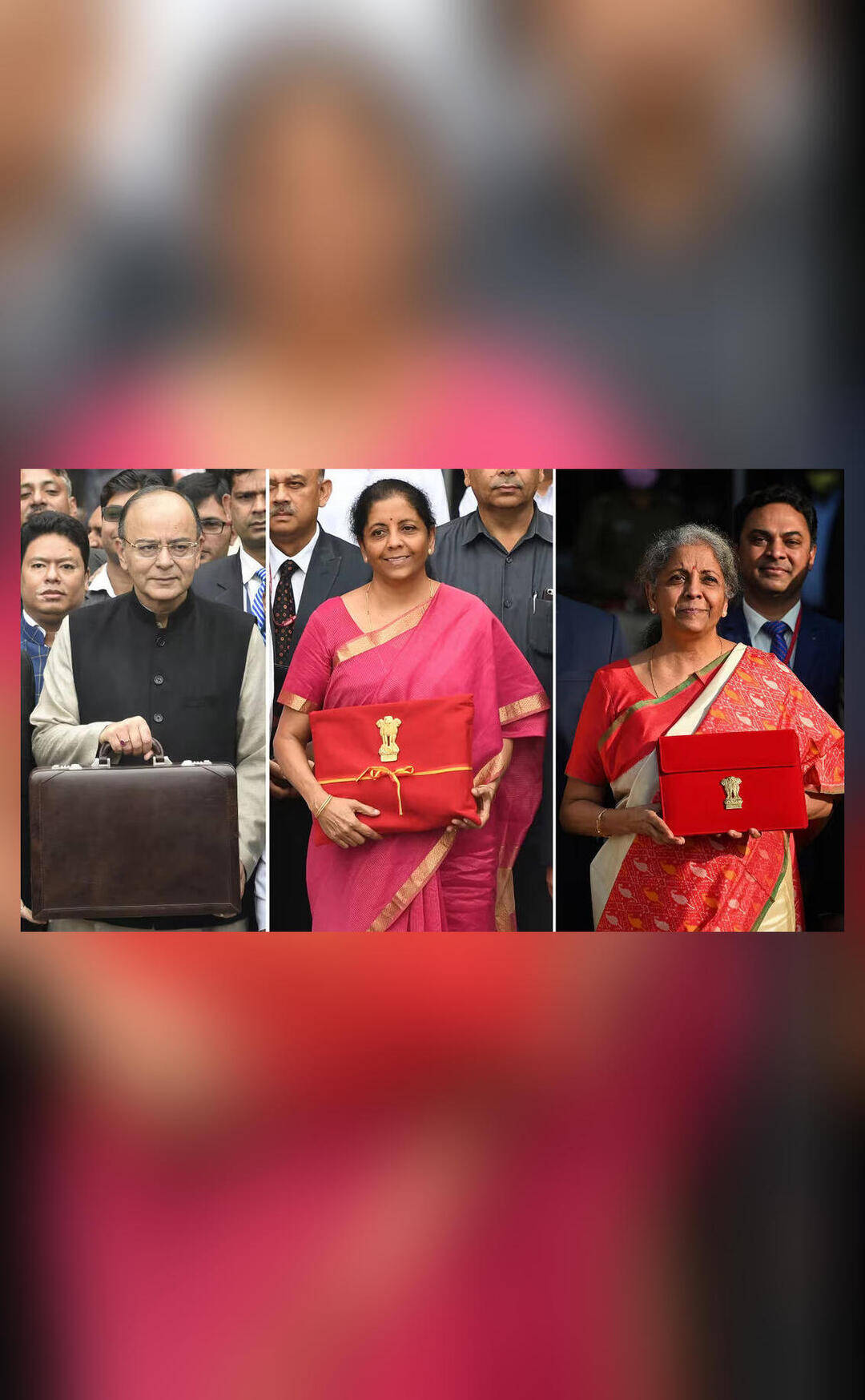
How has Union Budget’s presentation changed over the years, from a briefcase to a tablet?
The Union Budget of India, presented annually by the Finance Minister, is one of the most significant events in the country’s economic calendar. Over the years, the presentation of the Budget has undergone significant changes, reflecting the evolving times and technological advancements. In this blog post, we will explore the transformations that have taken place in the presentation of the Union Budget, from the traditional briefcase to the modern tablet.
One of the most notable changes in the presentation of the Union Budget was the shift in the date and time of its presentation. Until 2017, the Budget was presented on the last day of February, at 5:00 pm. However, in 2017, the date was changed to February 1, and the presentation time was moved to 11:00 am. This change was made to ensure that the Budget is presented before the start of the new financial year, allowing for smoother implementation of the proposals.
Another significant change in the presentation of the Union Budget was the switch from a briefcase to a cloth-wrapped ‘bahi khata’ to carry the Budget documents. In 2019, Finance Minister Nirmala Sitharaman broke away from the traditional briefcase and instead used a red cloth-wrapped ‘bahi khata’ to carry the Budget documents. This move was seen as a nod to the traditional Indian accounting system and was appreciated for its cultural significance.
The most recent and significant change in the presentation of the Union Budget was the switch to a paperless Budget. In 2021, Finance Minister Nirmala Sitharaman presented India’s first paperless Budget, using a Made-in-India tablet to deliver the speech. This move was seen as a significant step towards digitization and was in line with the government’s efforts to promote the use of technology in governance.
The use of a tablet to present the Budget marked a significant departure from the traditional method of carrying a briefcase full of documents. The tablet allowed the Finance Minister to access all the Budget documents digitally, making it easier to navigate and present the Budget. This move was also seen as a step towards reducing the environmental impact of the Budget presentation, as it eliminated the need for hundreds of pages of printed documents.
The switch to a paperless Budget was also in line with the government’s Digital India initiative, which aims to promote the use of technology in governance and make public services more accessible and efficient. The use of a Made-in-India tablet to present the Budget was also seen as a testament to the country’s growing capabilities in the field of technology and manufacturing.
In addition to the changes in the presentation of the Union Budget, there have also been significant changes in the content and focus of the Budget over the years. The Budget has become more comprehensive, covering a wide range of sectors and initiatives. The government has also made efforts to make the Budget more inclusive, with a focus on promoting the welfare of marginalized sections of society.
The last 10 Budgets presented in the Modi regime have been significant in terms of their focus on economic growth, infrastructure development, and social welfare. Some of the key highlights of these Budgets include the introduction of the Goods and Services Tax (GST), the establishment of the Insolvency and Bankruptcy Code, and the launch of initiatives such as Make in India, Digital India, and Skill India.
In conclusion, the presentation of the Union Budget has undergone significant changes over the years, reflecting the evolving times and technological advancements. From the traditional briefcase to the modern tablet, the Budget presentation has become more efficient, digital, and environmentally friendly. The government’s efforts to make the Budget more inclusive and comprehensive have also been notable, with a focus on promoting economic growth, infrastructure development, and social welfare.
As we look to the future, it will be interesting to see how the presentation of the Union Budget continues to evolve. With the increasing use of technology in governance, we can expect to see more innovative and digital methods of presenting the Budget. One thing is certain, however – the Union Budget will continue to remain a significant event in India’s economic calendar, shaping the country’s growth and development for years to come.
About the Author