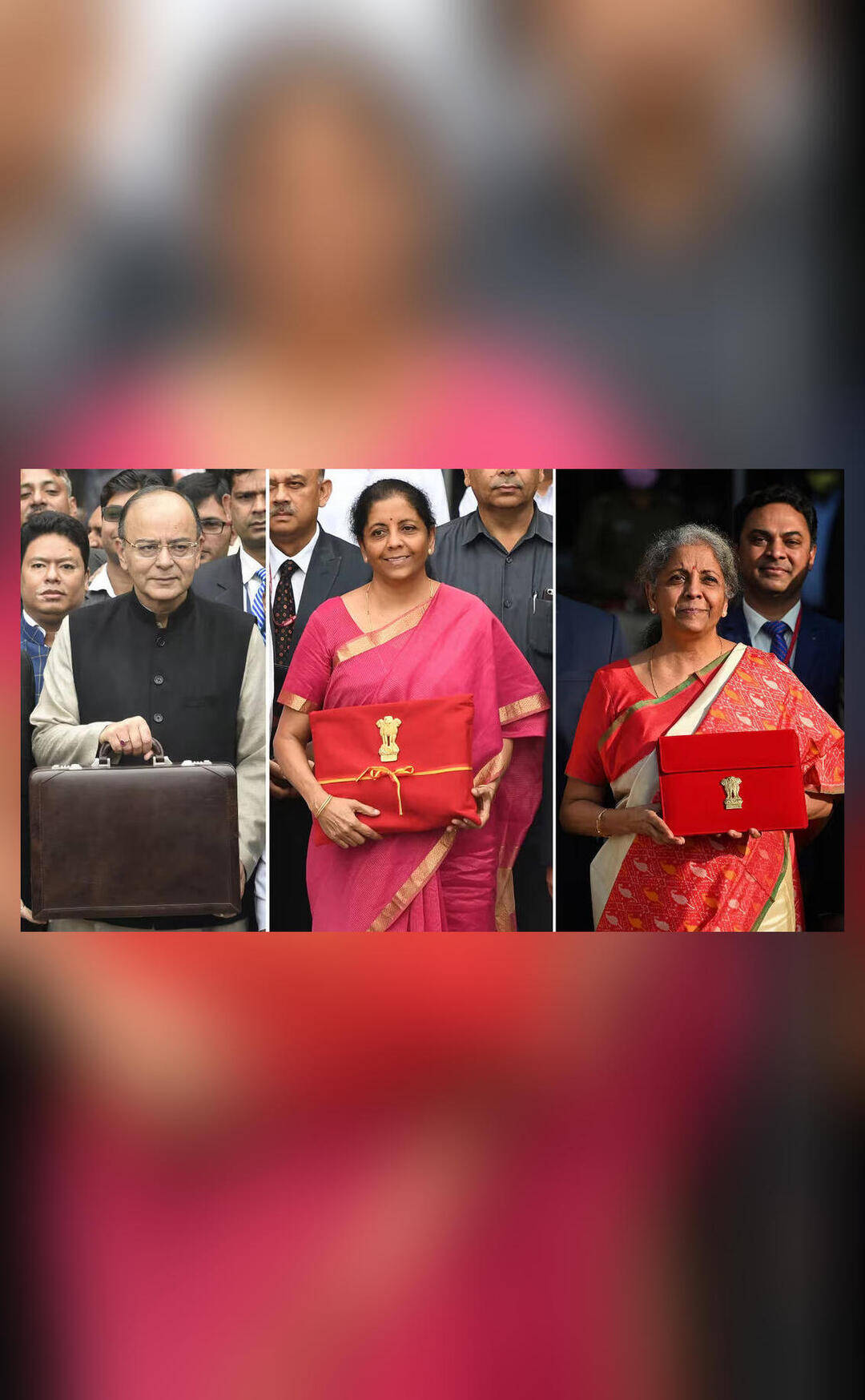
How has Union Budget’s presentation changed over the years, from a briefcase to a tablet?
The Union Budget of India is one of the most highly anticipated events in the country’s economic calendar. Every year, the Finance Minister presents the Budget to the Parliament, outlining the government’s spending plans and revenue projections for the upcoming fiscal year. Over the years, the presentation of the Union Budget has undergone significant changes, reflecting the evolving times and technological advancements. In this blog post, we will delve into the transformations that the Budget presentation has undergone, from the traditional briefcase to the modern tablet.
One of the most notable changes in the presentation of the Union Budget was the shift in the date of presentation. Until 2017, the Budget was presented on the last day of February. However, in 2017, the date was changed to February 1, allowing the government to implement the Budget provisions from the beginning of the fiscal year. This change was aimed at enabling the government to complete the legislative process for the Budget before the start of the new fiscal year.
Another significant change was the alteration of the presentation time. Until 1999, the Budget was presented at 5:00 pm. However, in 1999, the presentation time was changed to 11:00 am, allowing for a more detailed discussion and analysis of the Budget provisions during the day. This change was aimed at increasing transparency and facilitating a more informed debate on the Budget.
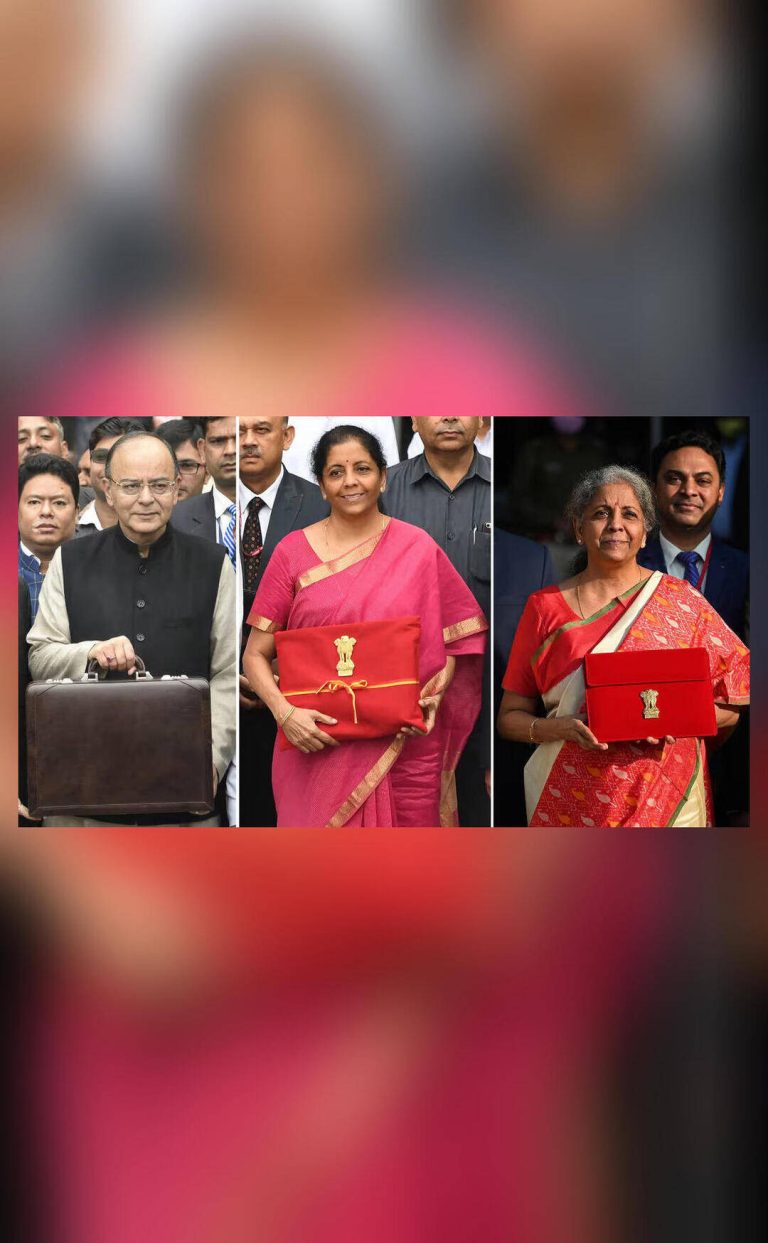
In recent years, the presentation of the Union Budget has become more technologically advanced. In 2019, Finance Minister Nirmala Sitharaman broke away from the traditional briefcase and instead used a cloth-wrapped ‘bahi khata’ to carry the Budget documents. The ‘bahi khata’ is a traditional Indian ledger book, and its use was seen as a nod to the country’s rich cultural heritage. This change was also seen as a departure from the colonial-era tradition of carrying the Budget documents in a briefcase.
The use of the ‘bahi khata’ was a significant symbolic change, but it was not the only innovation in the presentation of the Budget. In 2021, Finance Minister Nirmala Sitharaman presented India’s first paperless Budget, using a Made-in-India tablet to deliver the Budget speech. This move was seen as a significant step towards digitization and reducing the environmental impact of the Budget presentation. The paperless Budget was also seen as a reflection of the government’s commitment to embracing technology and modernizing the Budget-making process.
The transition from a briefcase to a tablet is not just a change in the mode of presentation, but also reflects the changing times and the government’s efforts to modernize the Budget-making process. The use of technology has enabled the government to make the Budget more accessible and transparent, allowing citizens to access the Budget documents and analysis online. This has increased citizen engagement and participation in the Budget-making process, making it more inclusive and democratic.
The changes in the presentation of the Union Budget are not just limited to the mode of presentation, but also reflect the government’s efforts to make the Budget more citizen-centric. The government has taken several initiatives to increase transparency and accountability in the Budget-making process, including the introduction of the Goods and Services Tax (GST) and the creation of a dedicated portal for citizen engagement.
In conclusion, the presentation of the Union Budget has undergone significant changes over the years, reflecting the evolving times and technological advancements. From the traditional briefcase to the modern tablet, the Budget presentation has become more technologically advanced, transparent, and citizen-centric. As the government continues to modernize the Budget-making process, it is likely that we will see even more innovations in the presentation of the Union Budget in the years to come.
The last 10 Budgets presented in the Modi regime have been significant, with key highlights including the introduction of the GST, the creation of a dedicated portal for citizen engagement, and the transition from a traditional briefcase to a ‘bahi khata’ and finally to a tablet. These changes reflect the government’s commitment to modernizing the Budget-making process and increasing transparency and accountability.
As we look forward to the upcoming Budget, it will be interesting to see what new innovations and initiatives the government will introduce to make the Budget more citizen-centric and technologically advanced. One thing is certain, however – the presentation of the Union Budget will continue to evolve, reflecting the changing times and the government’s efforts to make the Budget more accessible, transparent, and inclusive.
About the Author