How has Union Budget’s presentation changed over the years, from a briefcase to a tablet?
The Union Budget of India, presented annually by the Finance Minister, is one of the most significant events in the country’s economic calendar. Over the years, the presentation of the Budget has undergone significant changes, reflecting the evolving times and technological advancements. In this blog post, we will delve into the transformations that the Union Budget’s presentation has undergone, from the traditional briefcase to a modern tablet.
Historically, the Union Budget was presented at the end of February, typically around 5:00 pm. However, in 1999, the presentation time was changed to 11:00 am. This change was made to ensure that the Budget speech and the subsequent discussions could be completed before the market closes, thereby minimizing the impact on the stock market. The date of presentation was again changed in 2017, when the government decided to present the Budget on February 1, instead of the traditional last day of February. This change was made to enable the implementation of the Budget provisions from the beginning of the financial year, rather than mid-way through.
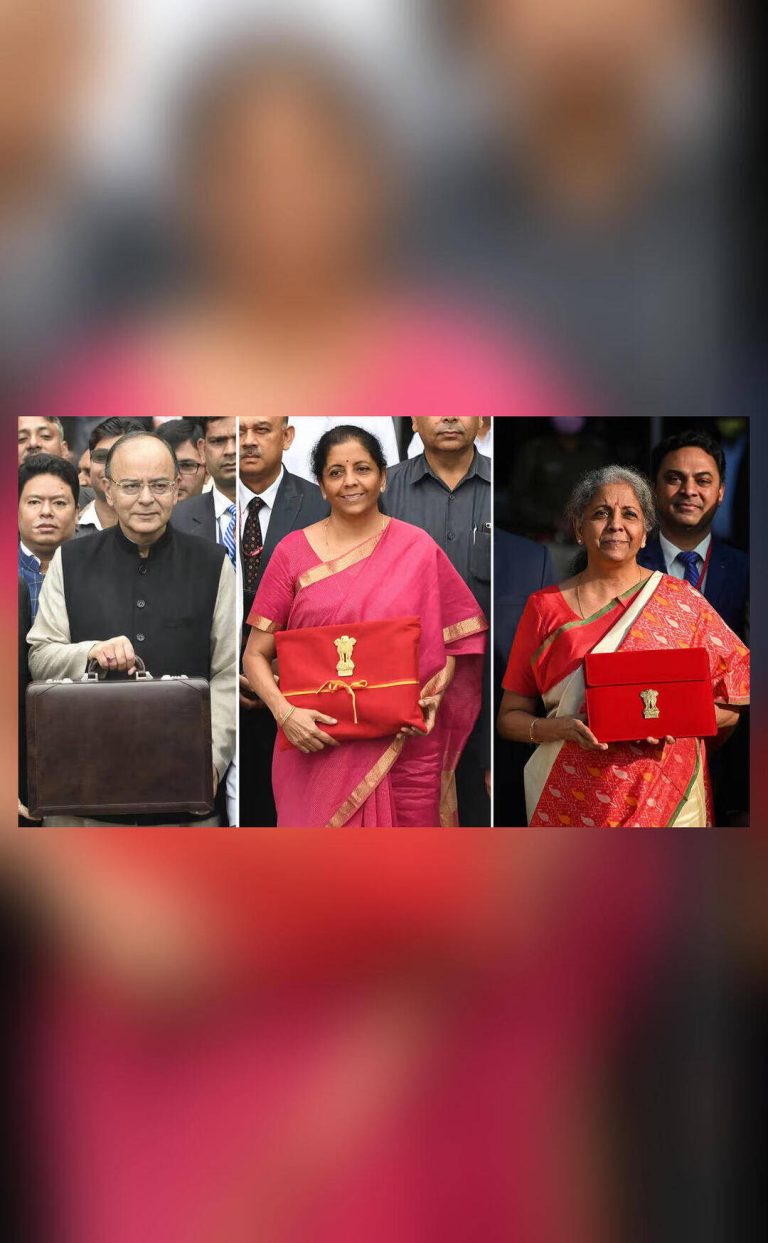
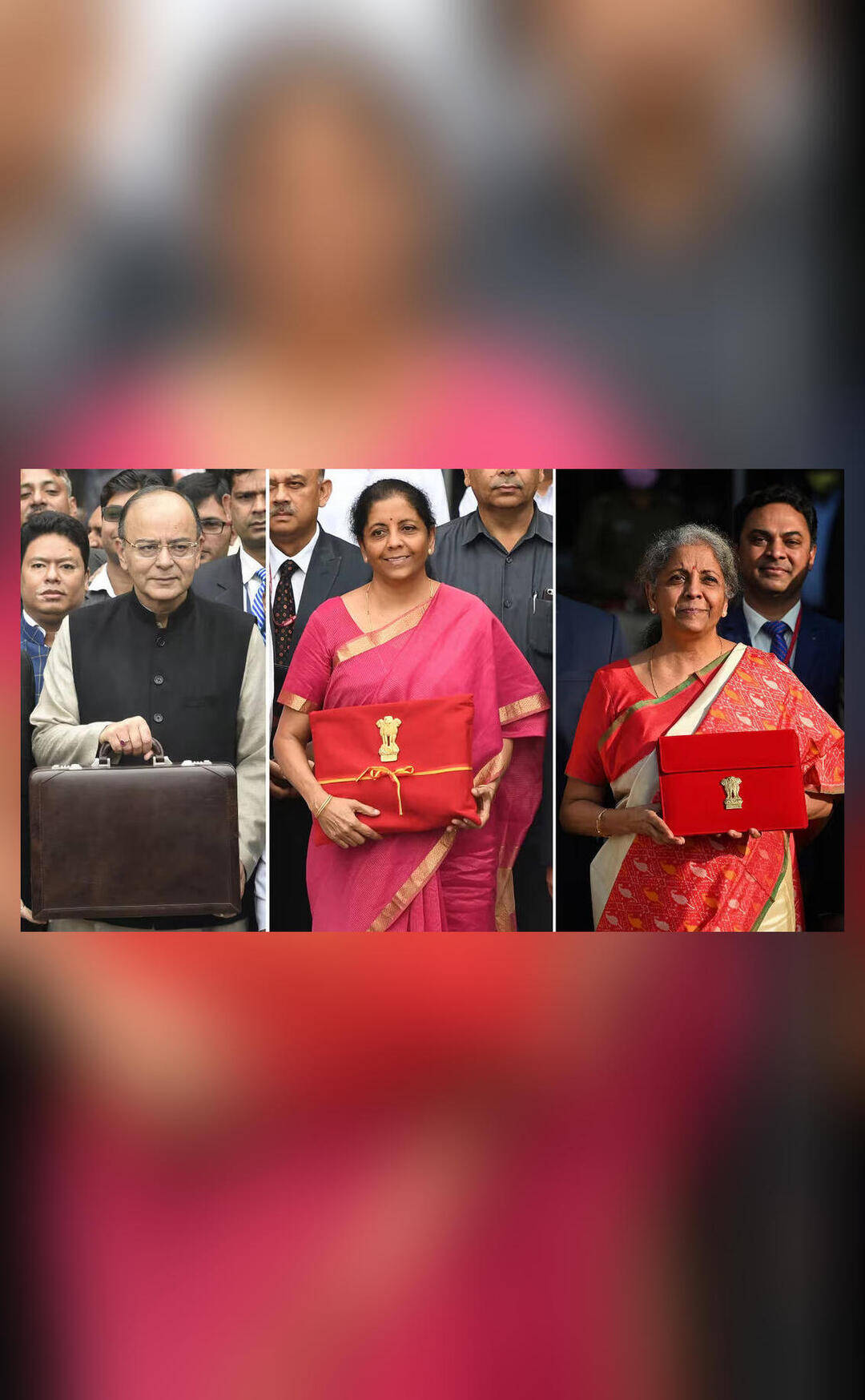
Another significant change in the presentation of the Union Budget was the switch from a briefcase to a cloth-wrapped ‘bahi khata’ (ledger) in 2019. Finance Minister Nirmala Sitharaman broke the traditional norm of carrying the Budget documents in a briefcase, instead opting for a more traditional and eco-friendly option. This move was seen as a nod to the country’s rich cultural heritage and a departure from the colonial-era tradition of using a briefcase.
However, the most significant change in the presentation of the Union Budget came in 2021, when Finance Minister Nirmala Sitharaman presented India’s first paperless Budget. In a major departure from the traditional practice of printing thousands of pages of Budget documents, the government decided to go digital. The Budget documents were made available on a Made-in-India tablet, marking a significant shift towards a more sustainable and environmentally friendly approach. This move was also seen as a reflection of the government’s commitment to embracing technology and reducing its carbon footprint.
The transition to a digital Budget has several advantages. Firstly, it reduces the environmental impact of printing thousands of pages of documents. Secondly, it makes the Budget documents more accessible to a wider audience, as they can be easily downloaded and viewed on digital devices. Finally, it also reduces the risk of errors and discrepancies, as the digital documents can be easily updated and corrected.
In addition to the changes in the presentation of the Union Budget, the content of the Budget has also undergone significant transformations over the years. The Budget has become more comprehensive, covering a wide range of sectors and initiatives. The government has also made efforts to make the Budget more inclusive, with a focus on the welfare of marginalized communities and the promotion of sustainable development.
In conclusion, the presentation of the Union Budget has undergone significant changes over the years, reflecting the evolving times and technological advancements. From the traditional briefcase to a cloth-wrapped ‘bahi khata’ and finally to a Made-in-India tablet, the Budget presentation has become more modern, sustainable, and environmentally friendly. As the country continues to grow and develop, it is likely that the Budget presentation will continue to evolve, incorporating new technologies and innovations.
The changes in the Union Budget’s presentation are a reflection of the government’s commitment to embracing change and adapting to new technologies. As we look to the future, it will be interesting to see how the Budget presentation continues to evolve and what new innovations will be introduced.
In recent years, the government has made significant efforts to make the Budget more comprehensive and inclusive. The Budget has covered a wide range of sectors, including healthcare, education, and infrastructure. The government has also made efforts to promote sustainable development and reduce the country’s carbon footprint.
As we approach the next Union Budget, it will be interesting to see what new changes and innovations will be introduced. Will the government continue to use a digital format, or will it introduce new technologies such as artificial intelligence or blockchain? Only time will tell, but one thing is certain – the Union Budget will continue to play a critical role in shaping the country’s economy and future.
The Union Budget is a critical component of India’s economic framework, and its presentation has a significant impact on the country’s economy and development. As the country continues to grow and evolve, it is essential that the Budget presentation also adapts to the changing times. By embracing new technologies and innovations, the government can make the Budget more accessible, sustainable, and effective.
In the end, the changes in the Union Budget’s presentation are a reflection of the government’s commitment to progress and development. As we look to the future, it is essential that we continue to innovate and adapt to new technologies, ensuring that the Budget presentation remains relevant and effective.
About the Author