How has Union Budget’s presentation changed over the years, from a briefcase to a tablet?
The Union Budget of India is one of the most significant financial events in the country, outlining the government’s fiscal policies and allocation of resources for the upcoming year. Over the years, the presentation of the Union Budget has undergone significant changes, reflecting the evolving times and technological advancements. In this blog post, we will explore the transformation of the Union Budget’s presentation, from the traditional briefcase to the modern tablet.
Historically, the Union Budget was presented at the end of February, typically around the 28th or 29th of the month. However, in 2017, the government decided to advance the presentation date to February 1. This change was aimed at enabling the government to implement its fiscal policies and allocate resources from the beginning of the financial year, which starts on April 1. The earlier presentation date allows for a smoother transition and provides more time for the government to implement its budgetary plans.
Another significant change in the presentation of the Union Budget was the shift in the presentation time. Until 1999, the Budget was presented at 5:00 pm. However, in 1999, the presentation time was changed to 11:00 am. This change was made to ensure that the Budget presentation does not clash with the trading hours of the stock market, which typically closes at 3:30 pm. The new presentation time allows for a more orderly and calm reaction to the Budget announcements, reducing the potential for market volatility.
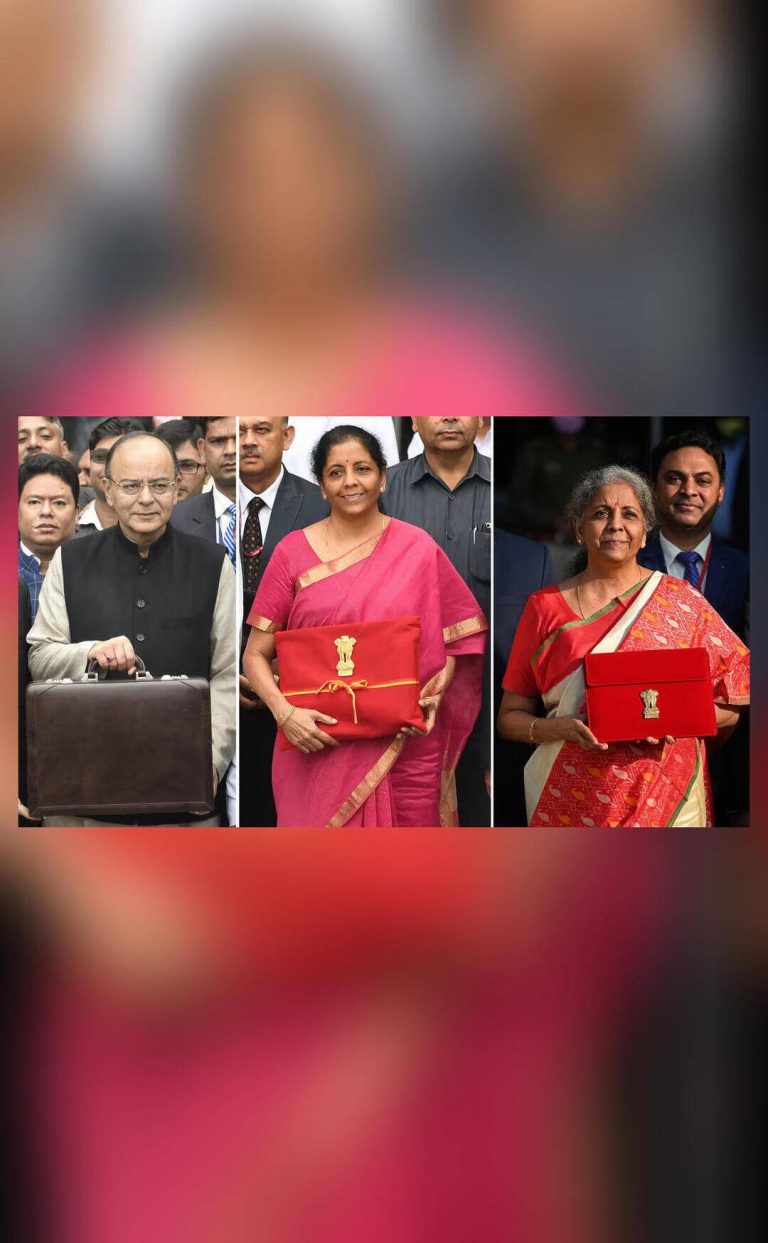
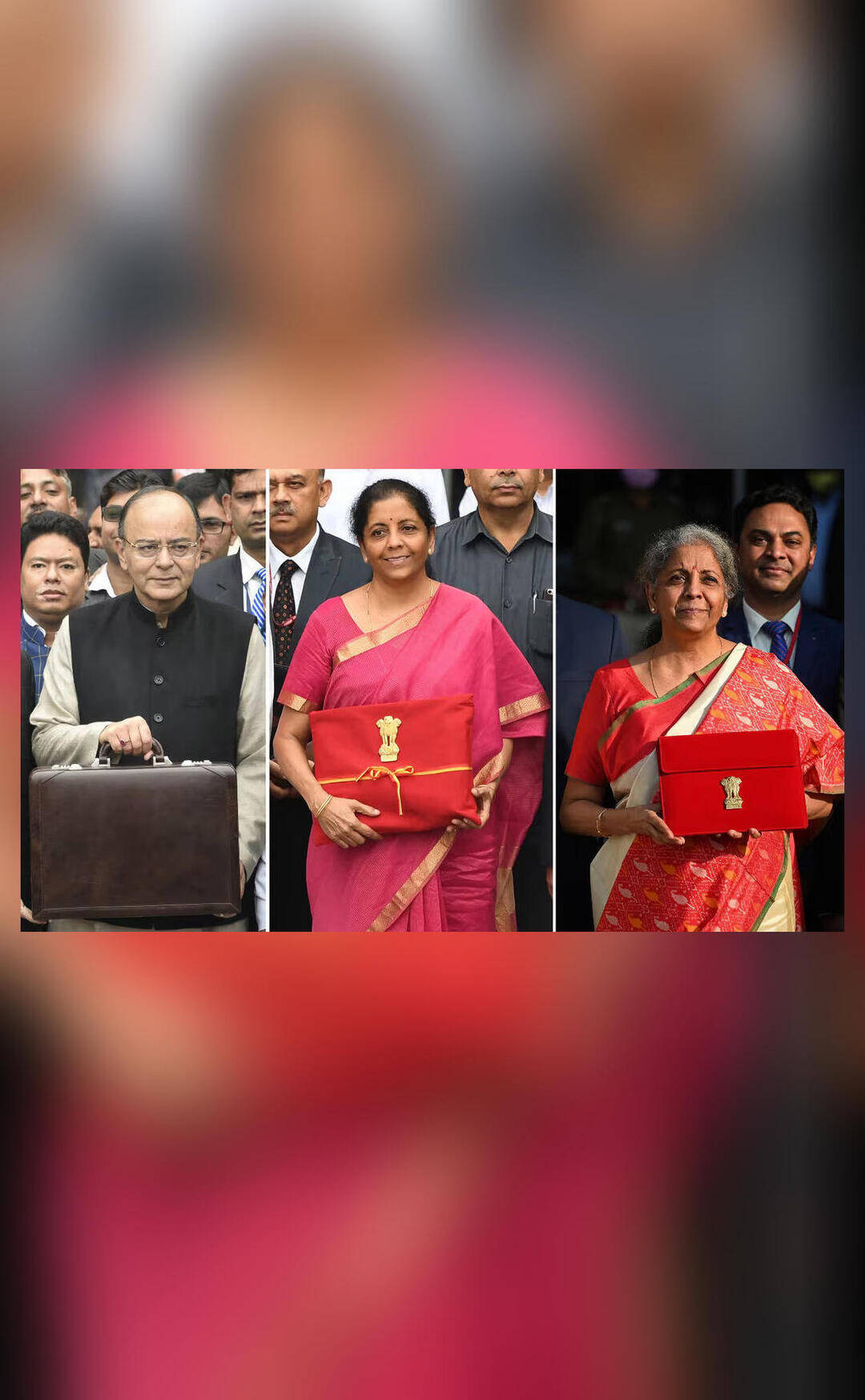
In recent years, the presentation of the Union Budget has become more modern and tech-savvy. In 2019, Finance Minister Nirmala Sitharaman broke away from the traditional briefcase, which had been used to carry Budget documents for decades. Instead, she opted for a cloth-wrapped ‘bahi khata’, a traditional Indian ledger book. This change was seen as a nod to India’s rich cultural heritage and a departure from the colonial-era briefcase.
The use of a ‘bahi khata’ was not just a symbolic gesture; it also marked a significant shift towards a more indigenous and traditional approach to presenting the Budget. The ‘bahi khata’ is a traditional Indian accounting book, which has been used for centuries to record financial transactions. By using a ‘bahi khata’ to carry the Budget documents, the government aimed to emphasize the importance of traditional Indian values and practices in the country’s economic decision-making process.
However, the most significant technological advancement in the presentation of the Union Budget came in 2021, when Finance Minister Nirmala Sitharaman presented India’s first paperless Budget. Instead of using traditional paper documents, the Budget was presented on a Made-in-India tablet. This move marked a significant shift towards a more digital and sustainable approach to budget-making, reducing the environmental impact of the Budget presentation and making it more accessible to a wider audience.
The use of a tablet to present the Budget also reflected the government’s commitment to leveraging technology to improve governance and transparency. The digital Budget platform allowed for real-time updates, easier access to Budget documents, and enhanced transparency in the budgetary process. The move towards a paperless Budget was widely welcomed, as it reduced the environmental footprint of the Budget presentation and made it more convenient for stakeholders to access and analyze the Budget documents.
In conclusion, the presentation of the Union Budget has undergone significant changes over the years, reflecting the evolving times and technological advancements. From the traditional briefcase to the modern tablet, the Budget presentation has become more modern, tech-savvy, and sustainable. The changes in the presentation date, time, and format have all contributed to making the Budget more accessible, transparent, and effective.
As we look to the future, it will be interesting to see how the Union Budget presentation continues to evolve, leveraging technology and innovation to improve governance and transparency. With the government’s commitment to digitalization and sustainability, we can expect the Budget presentation to become even more modern, efficient, and environmentally friendly.
The last 10 Budgets presented during the Modi regime have been significant, with key highlights including the transition from a traditional briefcase to a ‘bahi khata’ and finally to a Made-in-India tablet. To know more about the key highlights of the last 10 Budgets, visit: https://www.freepressjournal.in/amp/business/budget-2024-check-key-highlights-of-last-10-budgets-presented-in-modi-regime-transitioning-from-traditional-briefcase-to-bahi-khata
About the Author