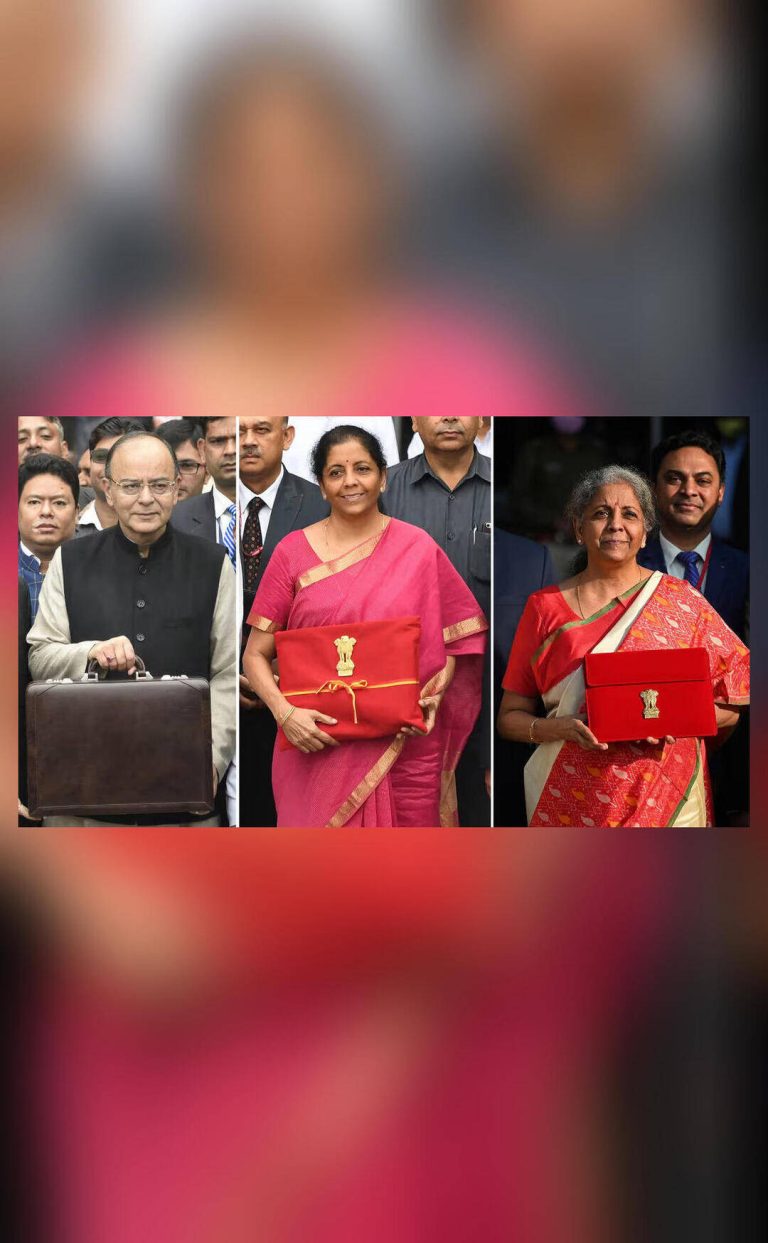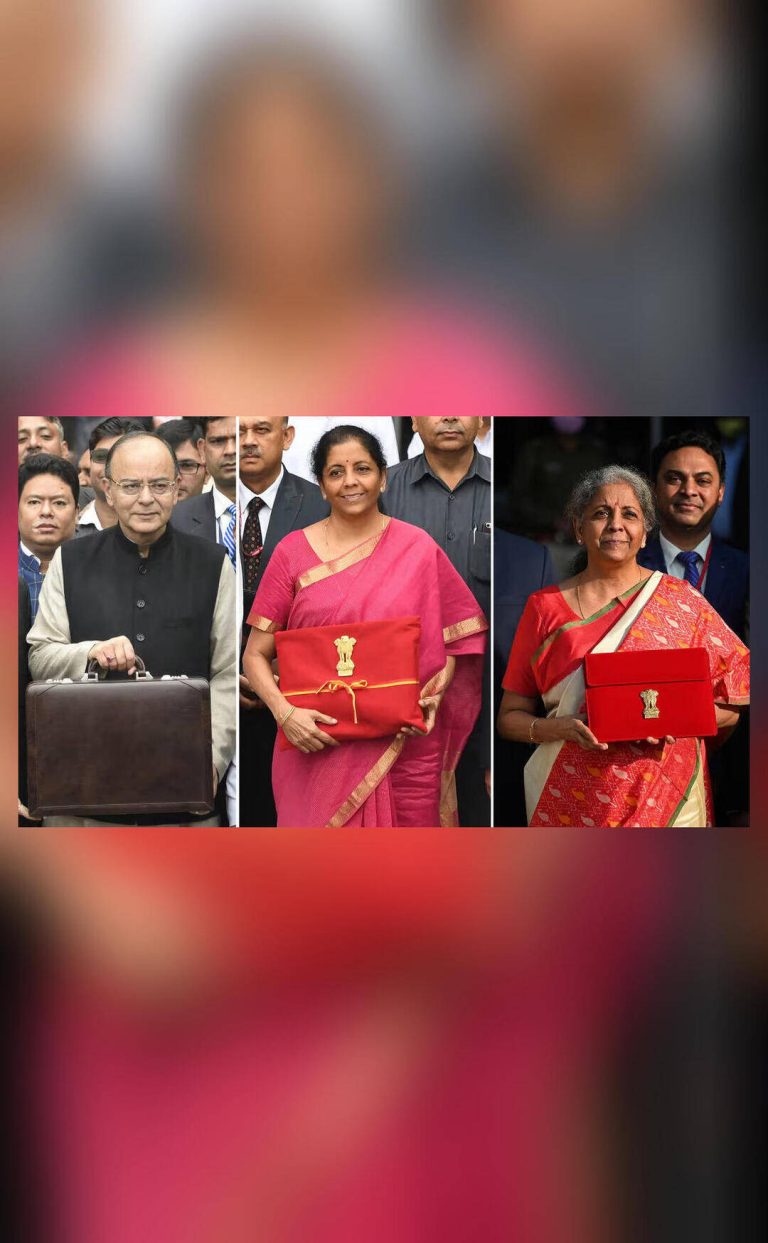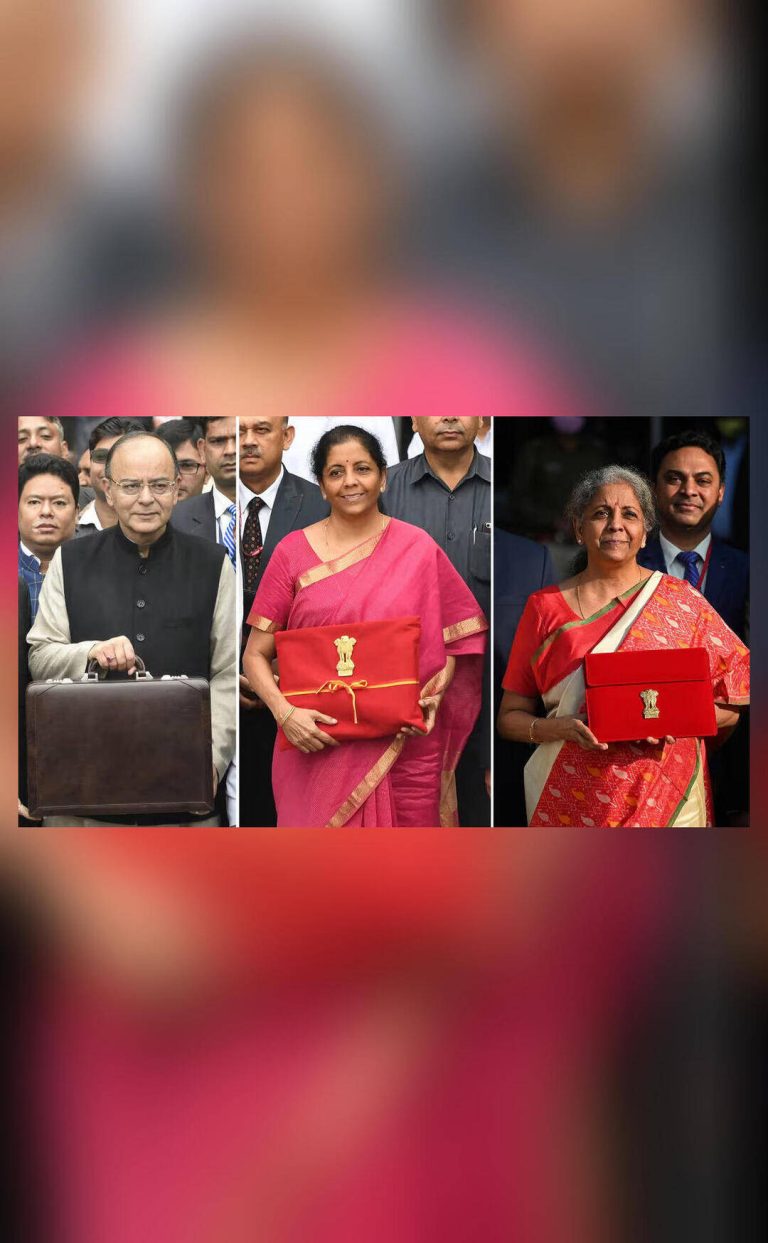
How has Union Budget’s presentation changed over the years, from a briefcase to a tablet?
The Union Budget, one of the most anticipated events in India’s economic calendar, has undergone significant changes in its presentation over the years. From the traditional briefcase to a cloth-wrapped ‘bahi khata’ and finally to a Made-in-India tablet, the Budget’s presentation has evolved to reflect the country’s growing digital prowess. In this blog post, we will delve into the history of the Union Budget’s presentation and explore the key changes that have taken place over the years.
A Brief History of the Union Budget
The Union Budget, also known as the General Budget, is presented by the Finance Minister of India every year, usually at the end of February. The Budget outlines the government’s financial plans and policies for the upcoming fiscal year, including revenue projections, expenditure allocations, and key initiatives. The Budget is a crucial document that shapes the country’s economic trajectory and has a direct impact on the lives of citizens.
Changes in the Budget Presentation Date and Time
One of the earliest changes to the Budget presentation was the shift in the date from the last day of February to February 1. This change was introduced in 2017, with the objective of providing more time for the implementation of the Budget proposals and enabling the completion of the legislative process before the start of the new financial year. Prior to this, the Budget was presented on the last day of February, which sometimes fell on a weekend or a holiday, causing delays in the implementation of the Budget proposals.
Another significant change was the shift in the presentation time from 5:00 pm to 11:00 am. This change was introduced in 1999, with the objective of allowing more time for the media and the public to analyze and discuss the Budget proposals before the markets close. The earlier presentation time of 5:00 pm often resulted in a rushed analysis of the Budget, with many details getting lost in the hurry.
From Briefcase to Bahi Khata
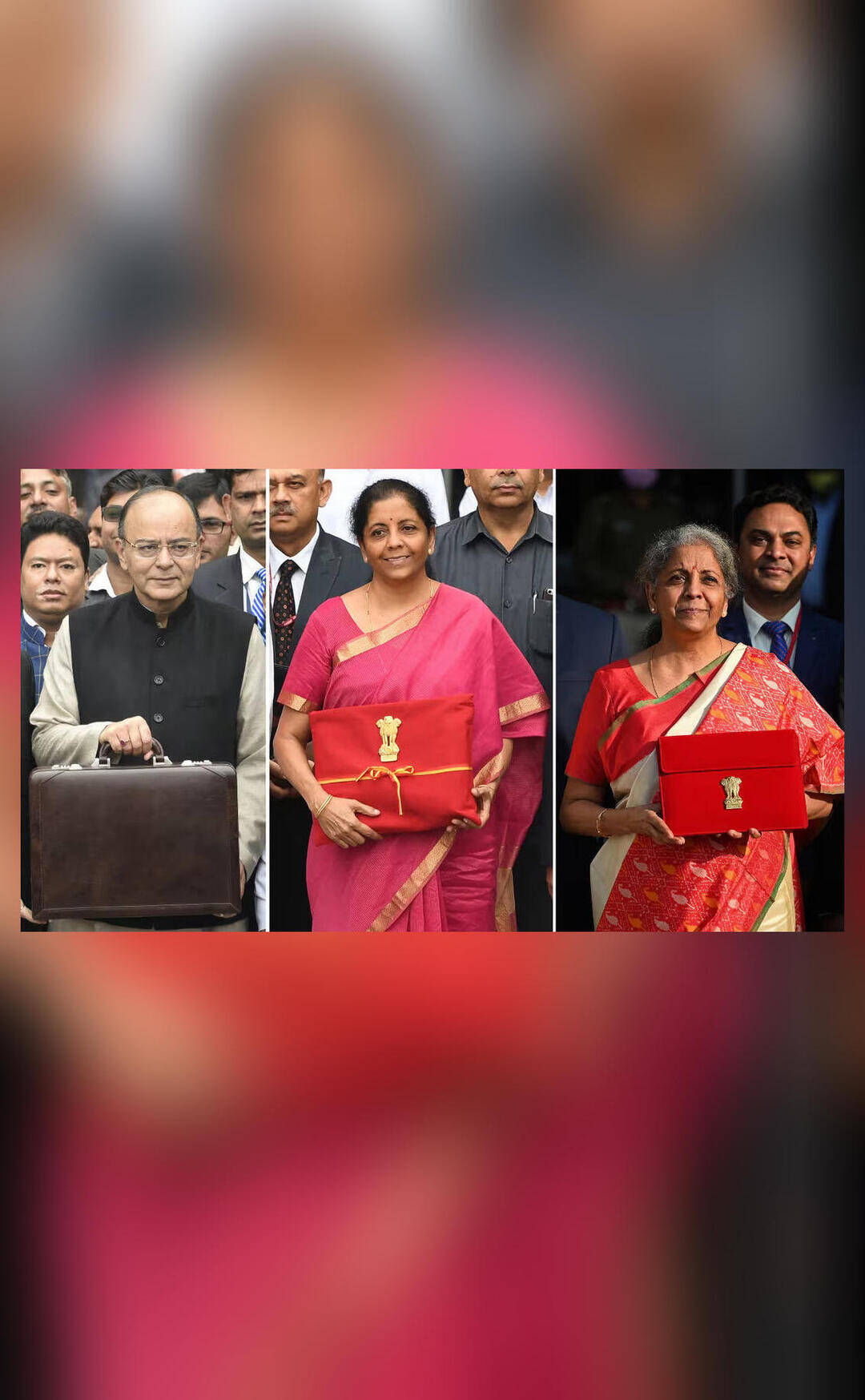
In 2019, Finance Minister Nirmala Sitharaman introduced a new tradition by carrying the Budget documents in a cloth-wrapped ‘bahi khata’ instead of the traditional briefcase. The ‘bahi khata’ is a traditional Indian ledger book used for accounting and bookkeeping purposes. This change was seen as a nod to India’s rich cultural heritage and a departure from the colonial-era tradition of carrying a briefcase.
The Digital Era: India’s First Paperless Budget
In 2021, India took a significant step towards digitalization by presenting its first paperless Budget. Finance Minister Nirmala Sitharaman presented the Budget on a Made-in-India tablet, marking a significant departure from the traditional paper-based Budget documents. This move was seen as a step towards reducing the environmental impact of the Budget presentation and embracing digital technologies.
The paperless Budget was made possible through a mobile app, which provided access to all Budget-related documents, including the Budget speech, expenditure budget, and revenue budget. The app was available for download on both Android and iOS platforms, allowing citizens to access the Budget documents on their mobile devices.
Key Highlights of the Last 10 Budgets
The last 10 Budgets, presented during the Modi regime, have seen significant changes in the country’s economic landscape. Some of the key highlights of these Budgets include:
- The introduction of the Goods and Services Tax (GST) in 2017, which replaced multiple indirect taxes with a single tax
- The launch of the Make in India initiative in 2014, which aimed to promote domestic manufacturing and attract foreign investment
- The introduction of the Insolvency and Bankruptcy Code (IBC) in 2016, which provided a framework for resolving insolvency cases
- The launch of the Ayushman Bharat scheme in 2018, which aimed to provide health insurance coverage to millions of Indians
- The introduction of the Digital India initiative in 2015, which aimed to promote digital literacy and online infrastructure
Conclusion
The Union Budget’s presentation has undergone significant changes over the years, reflecting the country’s growing digital prowess and its commitment to embracing new technologies. From the traditional briefcase to a cloth-wrapped ‘bahi khata’ and finally to a Made-in-India tablet, the Budget’s presentation has evolved to reflect the changing times. As India continues to grow and develop, it will be interesting to see how the Budget presentation evolves in the future.
About the Author