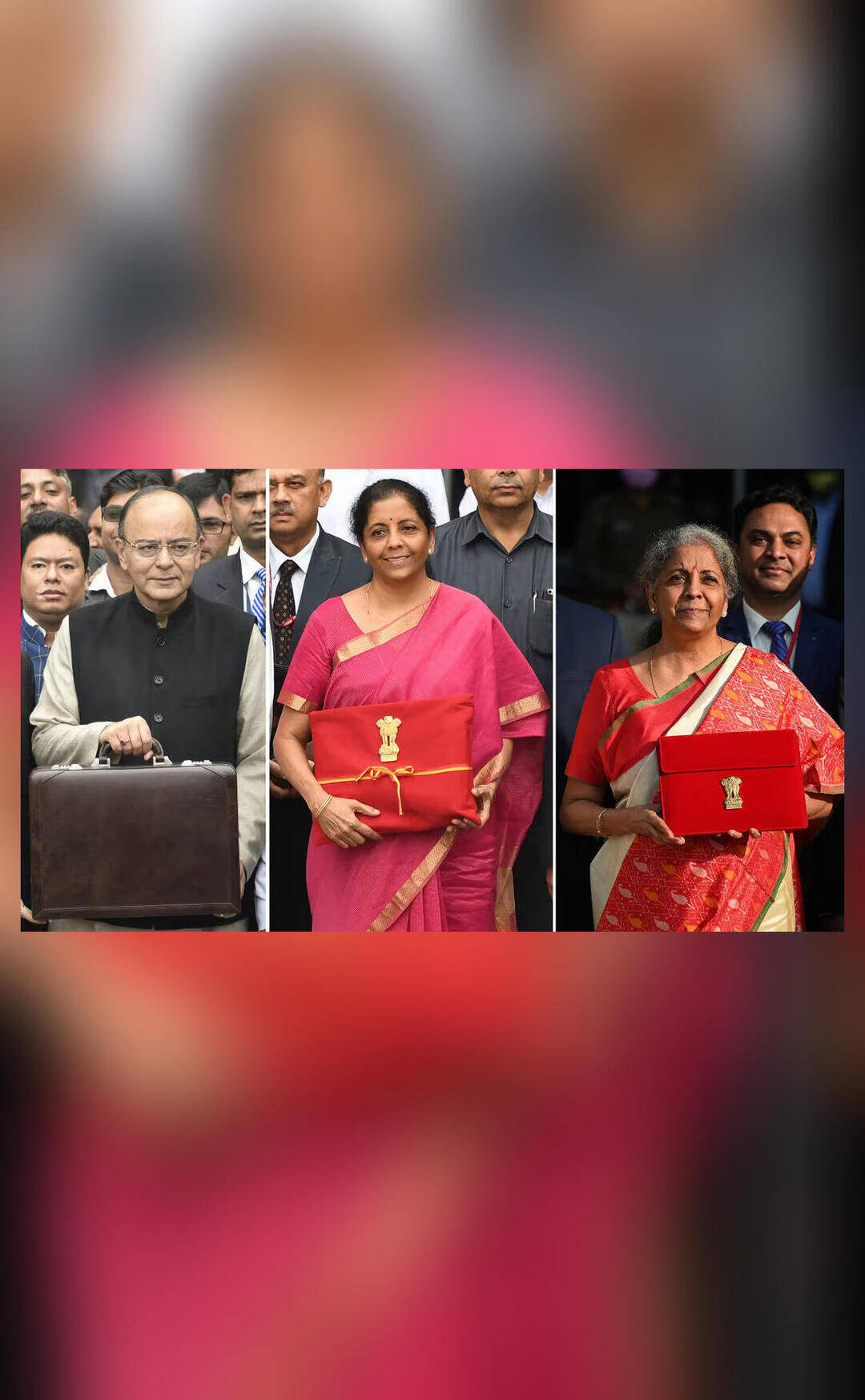
How has Union Budget’s presentation changed over the years, from a briefcase to a tablet?
The Union Budget of India is one of the most highly anticipated events in the country’s economic calendar. Every year, the Finance Minister presents the Budget to the Parliament, outlining the government’s plans for the upcoming fiscal year. Over the years, the presentation of the Union Budget has undergone significant changes, reflecting the evolving times and technological advancements. In this blog post, we will explore the transformations that the Union Budget’s presentation has undergone, from the traditional briefcase to a tablet.
One of the most notable changes in the presentation of the Union Budget was the shift in the date of presentation. Until 2017, the Budget was presented on the last day of February. However, in 2017, the government decided to advance the presentation date to February 1. This change was made to enable the Budget to be implemented from the beginning of the fiscal year, rather than waiting until the end of February. This move was aimed at providing a longer timeframe for the implementation of the Budget, allowing the government to allocate funds and resources more efficiently.
Another significant change in the presentation of the Union Budget was the shift in the presentation time. Until 1999, the Budget was presented at 5:00 pm. However, in 1999, the presentation time was changed to 11:00 am. This change was made to ensure that the Budget is presented during the working hours of the Parliament, allowing for more efficient discussion and debate on the Budget.
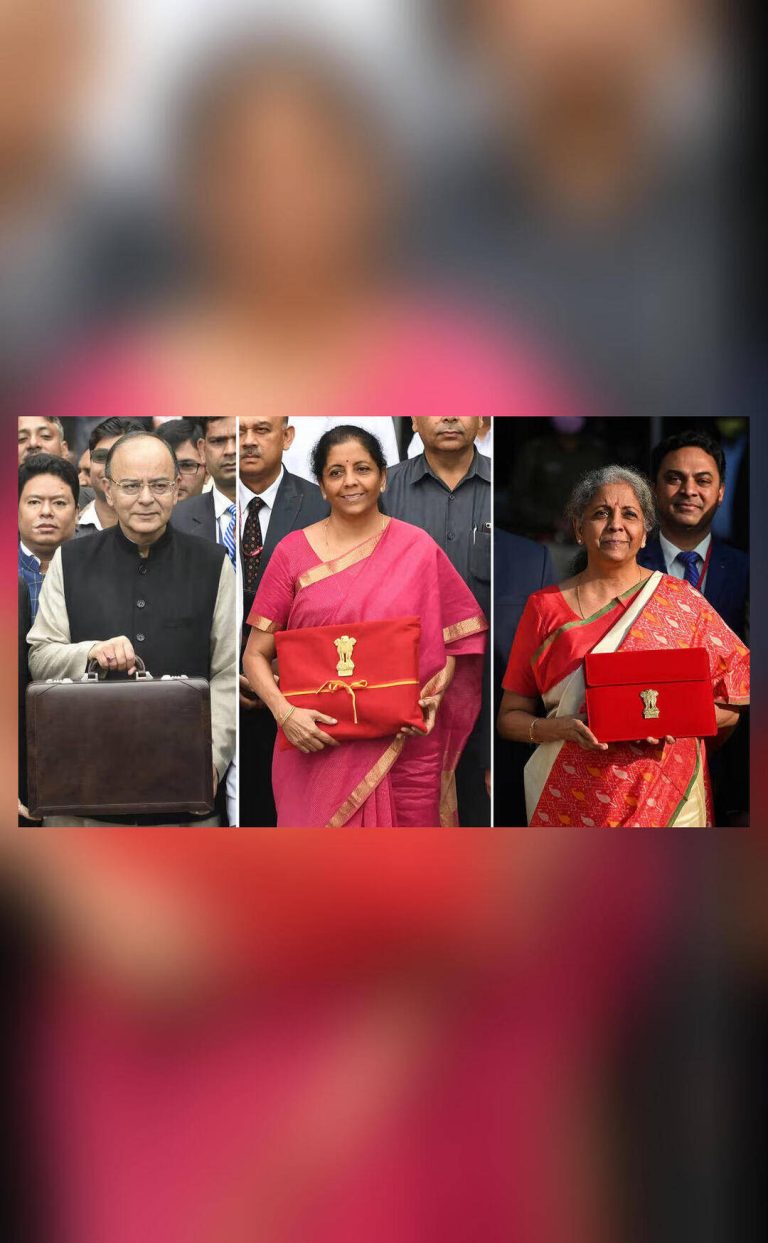
In recent years, the presentation of the Union Budget has become more modern and tech-savvy. In 2019, Finance Minister Nirmala Sitharaman broke away from the traditional briefcase and instead carried the Budget documents in a cloth-wrapped ‘bahi khata’. This move was seen as a nod to the traditional Indian accounting system, which uses a ‘bahi khata’ to record financial transactions. The use of a ‘bahi khata’ was also seen as a symbol of the government’s commitment to promoting Indian culture and traditions.
The most significant change in the presentation of the Union Budget came in 2021, when Finance Minister Nirmala Sitharaman presented India’s first paperless Budget. Instead of carrying a briefcase or a ‘bahi khata’, Sitharaman presented the Budget on a Made-in-India tablet. This move was seen as a significant step towards digitization and was aimed at reducing the environmental impact of the Budget presentation. The use of a tablet also allowed for more efficient and organized presentation of the Budget, with all the necessary documents and data available at the touch of a screen.
The transition from a traditional briefcase to a tablet reflects the government’s commitment to embracing technology and modernizing the Budget presentation process. The use of digital tools and platforms has made the Budget presentation more efficient, transparent, and accessible to the public. The paperless Budget has also reduced the environmental impact of the Budget presentation, which is in line with the government’s initiatives to promote sustainability and reduce waste.
In conclusion, the presentation of the Union Budget has undergone significant changes over the years, reflecting the evolving times and technological advancements. From the traditional briefcase to a cloth-wrapped ‘bahi khata’ and finally to a Made-in-India tablet, the Budget presentation has become more modern, efficient, and environmentally friendly. As the government continues to embrace technology and modernize the Budget presentation process, we can expect to see even more innovative and sustainable approaches to the Union Budget in the years to come.
The last 10 Budgets presented in the Modi regime have been significant, with key highlights including the introduction of Goods and Services Tax (GST), the launch of the Make in India initiative, and the emphasis on digital payments and financial inclusion. The Budgets have also focused on promoting infrastructure development, agriculture, and rural development, with a emphasis on creating jobs and stimulating economic growth.
As we look forward to the upcoming Budget, it will be interesting to see how the government builds on the initiatives and policies announced in previous Budgets. The use of technology and digital platforms is likely to play an even more significant role in the Budget presentation, with the government expected to announce new initiatives and policies aimed at promoting digitalization and sustainability.
For more information on the Union Budget and its presentation, readers can visit the official website of the Ministry of Finance. The website provides detailed information on the Budget, including the Budget speech, Budget highlights, and Budget documents.
About the Author