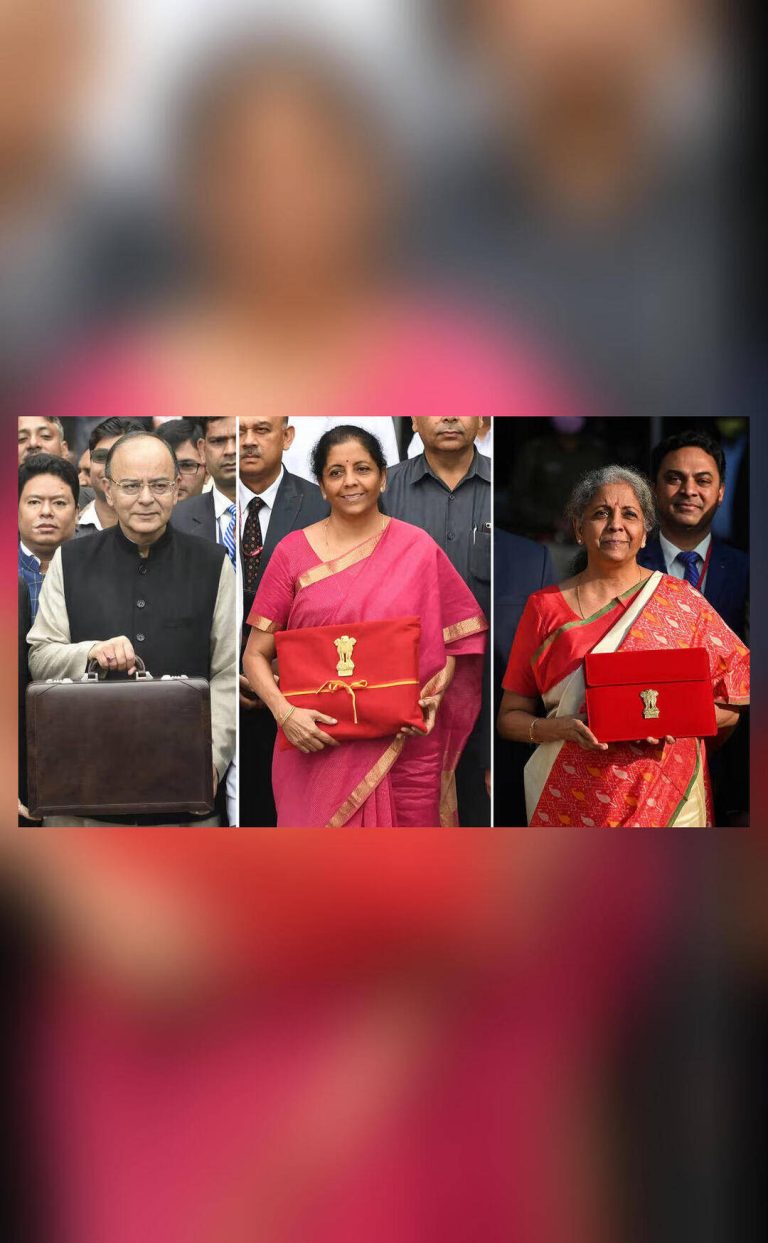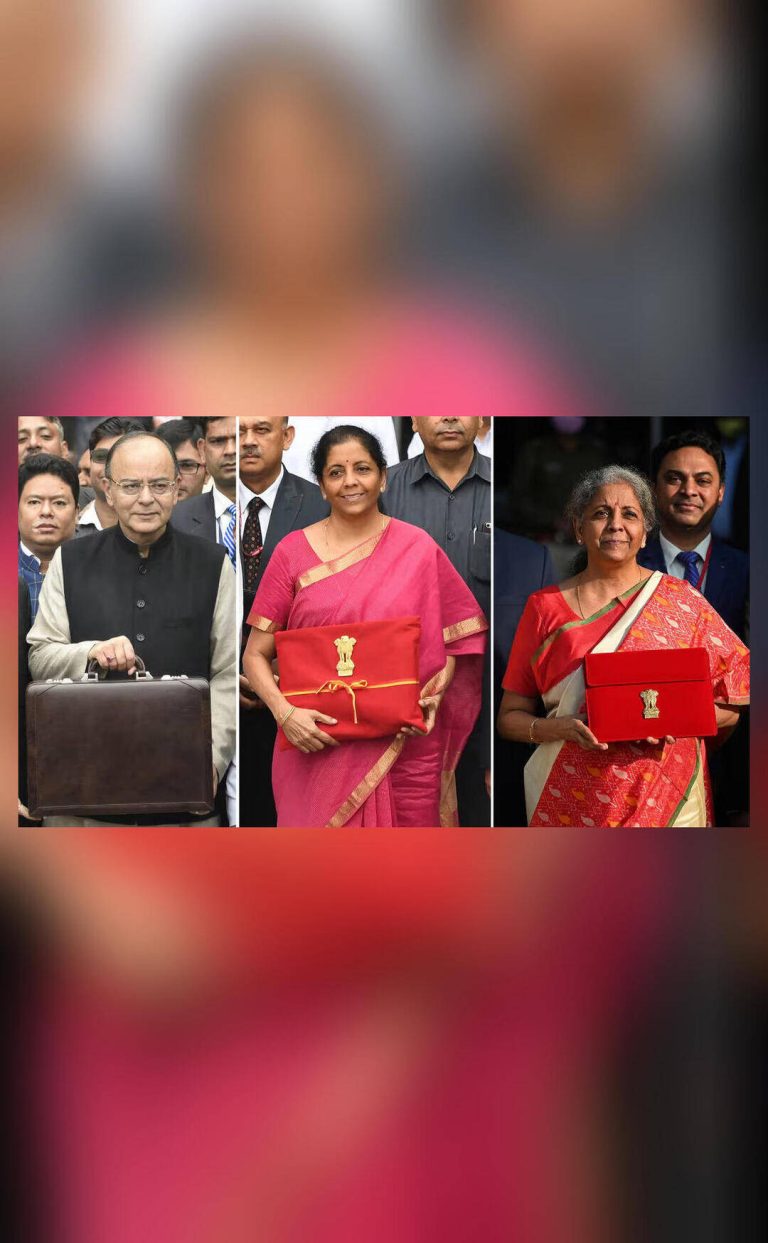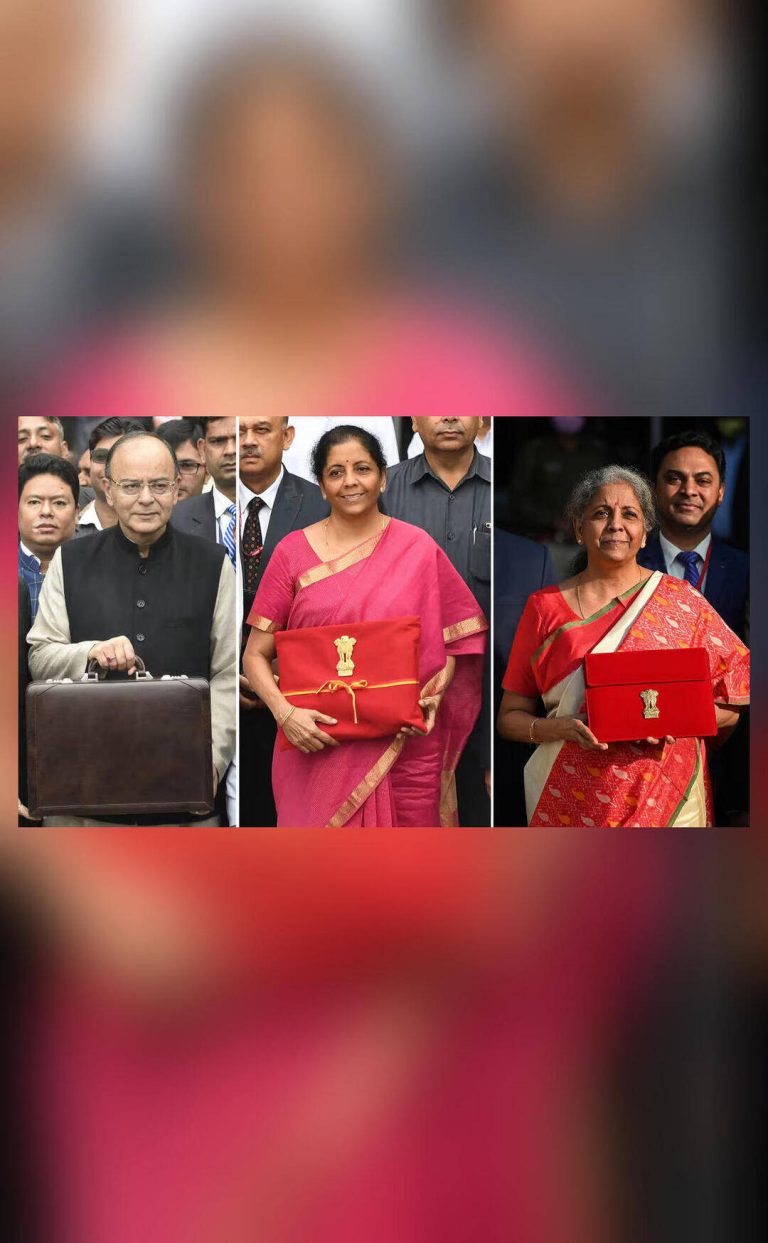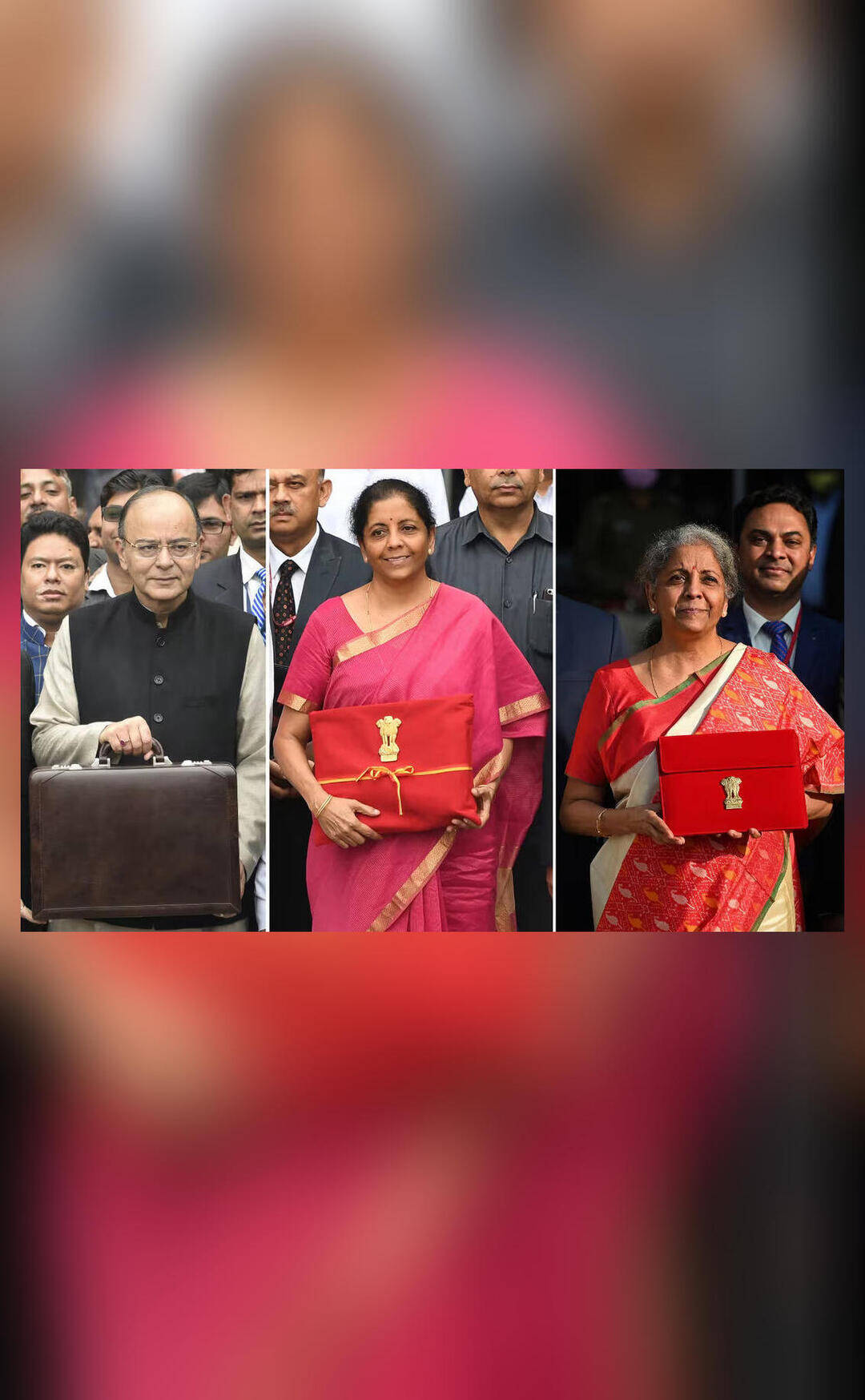
How has Union Budget’s presentation changed over the years, from a briefcase to a tablet?
The Union Budget, presented annually by the Finance Minister of India, is a crucial event that outlines the country’s financial plans and policies for the upcoming year. Over the years, the presentation of the Union Budget has undergone significant changes, reflecting the evolving times and technological advancements. In this blog post, we will delve into the transformations that have taken place in the presentation of the Union Budget, from the traditional briefcase to the modern tablet.
One of the most notable changes in the presentation of the Union Budget was the shift in the date of presentation. Until 2017, the Budget was presented on the last day of February. However, in 2017, the date was changed to February 1, allowing for the implementation of the Budget provisions from the beginning of the new financial year. This change was aimed at facilitating a smoother transition and enabling the government to start implementing its plans and projects from the start of the new financial year.
Another significant change was made in 1999, when the presentation time of the Budget was changed from 5:00 pm to 11:00 am. This change was intended to provide more time for the government to respond to the Budget and make necessary adjustments before the start of the new financial year.
In recent years, the presentation of the Union Budget has become more technologically advanced. In 2019, Finance Minister Nirmala Sitharaman broke away from the traditional briefcase and opted for a cloth-wrapped ‘bahi khata’ to carry the Budget documents. This move was seen as a nod to India’s rich cultural heritage and a departure from the colonial-era tradition of carrying a briefcase.
The most significant technological advancement in the presentation of the Union Budget came in 2021, when Finance Minister Nirmala Sitharaman presented India’s first paperless Budget on a Made-in-India tablet. This move marked a significant shift towards a more digital and sustainable approach to the Budget presentation. The use of a tablet allowed for a more efficient and organized presentation, with all the necessary documents and data easily accessible at the touch of a screen.
The transition from a briefcase to a tablet is not just a symbolic change; it reflects the government’s commitment to embracing technology and moving towards a more digital economy. The use of a tablet for the Budget presentation also highlights the government’s focus on promoting Made-in-India products and supporting the country’s manufacturing sector.
In addition to these changes, the Union Budget has also become more inclusive and transparent over the years. The government has made efforts to make the Budget more accessible to the general public, with live broadcasts and online streaming of the Budget presentation. The government has also encouraged public participation in the Budget-making process, with citizens able to provide suggestions and feedback through various online platforms.
The changes in the presentation of the Union Budget are a reflection of the evolving needs and aspirations of the country. As India continues to grow and develop, the Budget presentation will likely undergo further changes, incorporating new technologies and innovations. The use of artificial intelligence, machine learning, and other digital tools may become more prevalent in the Budget-making process, enabling the government to make more data-driven decisions and create a more efficient and effective Budget.
In conclusion, the presentation of the Union Budget has undergone significant changes over the years, from the traditional briefcase to the modern tablet. These changes reflect the government’s commitment to embracing technology, promoting transparency, and making the Budget more inclusive and accessible to the general public. As we look to the future, it will be exciting to see how the Union Budget presentation continues to evolve and incorporate new innovations and technologies.
The last 10 Budgets presented in the Modi regime have been significant, with key highlights including the introduction of the Goods and Services Tax (GST), the implementation of the Insolvency and Bankruptcy Code, and the launch of various initiatives such as Make in India, Digital India, and Startup India. The Budget has also focused on promoting economic growth, creating jobs, and improving the overall standard of living for citizens.
As we approach the next Union Budget, it will be interesting to see how the government builds on these initiatives and introduces new measures to drive economic growth and development. The use of technology, such as the tablet, will likely continue to play a significant role in the Budget presentation, enabling the government to make more efficient and effective decisions.
For more information on the Union Budget and its presentation, please visit: https://www.freepressjournal.in/amp/business/budget-2024-check-key-highlights-of-last-10-budgets-presented-in-modi-regime-transitioning-from-traditional-briefcase-to-bahi-khata
About the Author