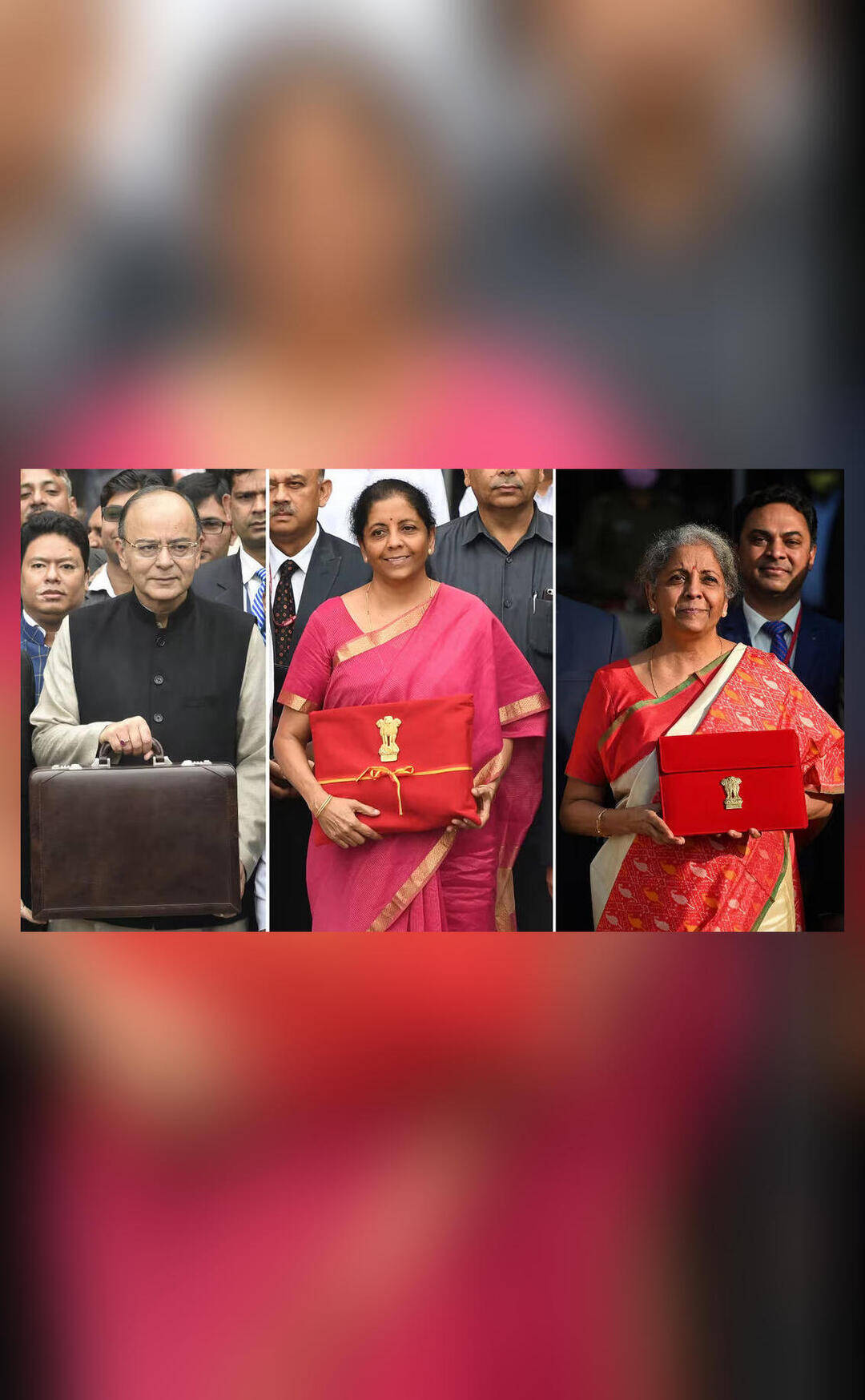
How has Union Budget’s presentation changed over the years, from a briefcase to a tablet?
The Union Budget of India, presented annually by the Finance Minister, is a significant event in the country’s economic calendar. Over the years, the presentation of the Budget has undergone significant changes, reflecting the evolving times and technological advancements. In this blog post, we will delve into the transformations that have taken place in the presentation of the Union Budget, from the traditional briefcase to the modern tablet.
Historically, the Union Budget was presented at the end of February, typically around the 28th or 29th of the month. However, in 2017, the government decided to advance the presentation date to February 1. This change was aimed at enabling the Budget to be implemented from the beginning of the new financial year, thus giving the government a head start in implementing its plans and policies.
Another significant change in the presentation of the Union Budget was the alteration of the presentation time. Until 1999, the Budget was presented at 5:00 pm. However, with the advent of the new millennium, the presentation time was changed to 11:00 am. This change was made to ensure that the Budget speech could be broadcast live on television and radio, allowing a wider audience to follow the proceedings.
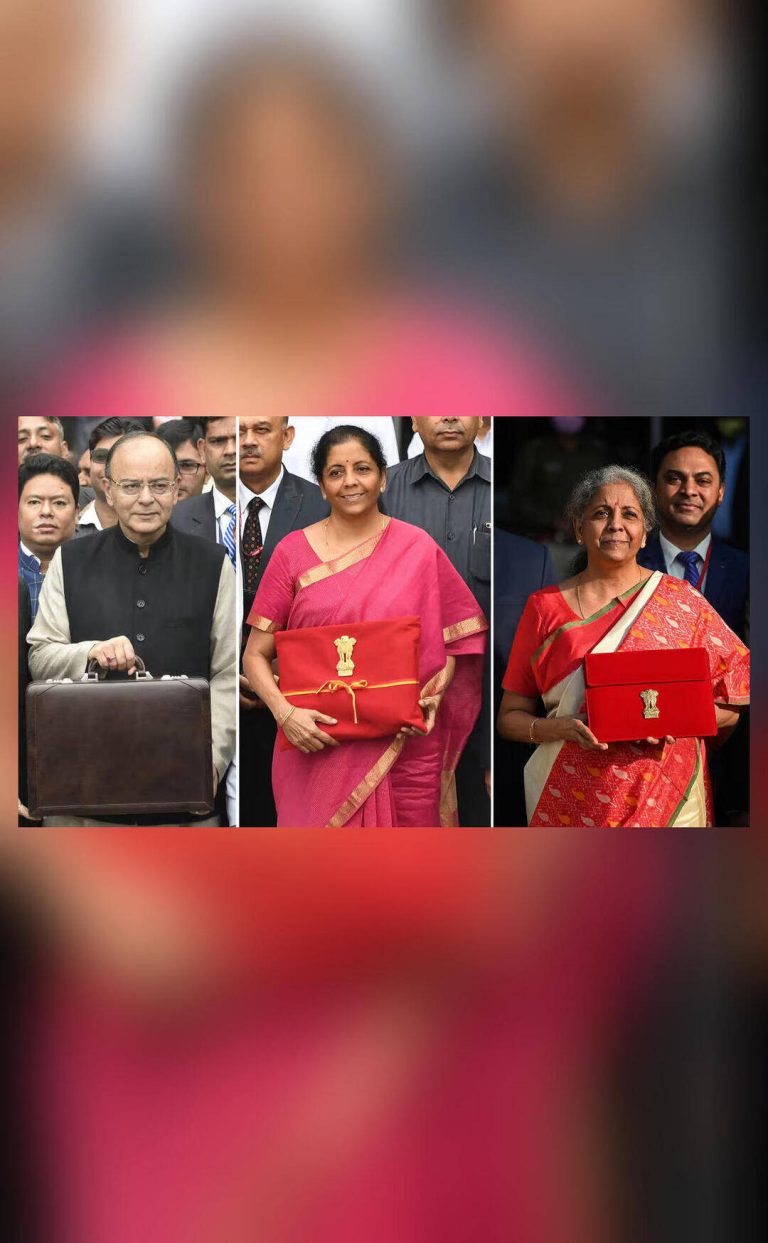
In recent years, the presentation of the Union Budget has become more modern and tech-savvy. In 2019, Finance Minister Nirmala Sitharaman broke away from the traditional briefcase, which had been used by her predecessors to carry the Budget documents. Instead, she opted for a cloth-wrapped ‘bahi khata’, a traditional Indian ledger book, to carry the Budget papers. This move was seen as a nod to India’s rich cultural heritage and a departure from the colonial-era tradition of using a briefcase.
The use of a ‘bahi khata’ was not the only innovation in the presentation of the Union Budget. In 2021, Sitharaman presented India’s first paperless Budget, using a Made-in-India tablet to deliver her speech. This move was a significant step towards digitization and marked a new era in the presentation of the Union Budget. The use of a tablet enabled the Finance Minister to access and present the Budget documents in a more efficient and environmentally friendly manner.
The transition from a briefcase to a ‘bahi khata’ and finally to a tablet reflects the government’s efforts to modernize and adapt to changing times. The use of technology has enabled the government to present the Budget in a more efficient and transparent manner, making it easier for citizens to access and understand the Budget documents.
The changes in the presentation of the Union Budget are not limited to the use of technology or traditional Indian symbols. The Budget itself has undergone significant changes over the years, reflecting the evolving needs and priorities of the country. From focusing on economic growth and development to emphasizing social welfare and sustainability, the Budget has become a more comprehensive and inclusive document.
In conclusion, the presentation of the Union Budget has undergone significant changes over the years, from the traditional briefcase to the modern tablet. These changes reflect the government’s efforts to modernize and adapt to changing times, while also emphasizing the country’s rich cultural heritage. As India continues to evolve and grow, it will be interesting to see how the presentation of the Union Budget changes in the future.
The last 10 Budgets presented in the Modi regime have been significant, with key highlights including the introduction of Goods and Services Tax (GST), the implementation of the Insolvency and Bankruptcy Code, and the emphasis on digitalization and sustainability. The transition from a traditional briefcase to a ‘bahi khata’ and finally to a tablet is a testament to the government’s willingness to innovate and adapt to changing times.
As we look to the future, it will be exciting to see how the presentation of the Union Budget continues to evolve. Will we see more emphasis on technology and digitalization? Will the government continue to incorporate traditional Indian symbols and themes into the presentation of the Budget? Only time will tell, but one thing is certain – the Union Budget will remain a significant event in India’s economic calendar, shaping the country’s future and guiding its growth and development.
About the Author